1-inch sensor compact cameras strike a practical balance between image quality and portability. They offer impressive detail, good low-light performance, and fast autofocus in a pocketable body—perfect for travelers, street shooters, and everyday photographers who want serious results without a bulky setup. The following five models showcase strong 1-inch sensor performance, featuring versatile zoom ranges, reliable autofocus, and solid video options. Use the quick-look table to compare core specs at a glance, then dive into detailed sections for each option.
| Product | Brand | Sensor | Notable Feature |
|---|---|---|---|
| Sony RX100 III | Sony | 1-inch Exmor R CMOS | 24-70mm f/1.8-2.8 lens |
| Sony RX100 II | Sony | 1-inch Exmor R CMOS | 28-100mm f/1.8-4.9 lens; tilting LCD |
| Sony RX100 VII | Sony | 1-type stacked CMOS | 24-200mm f/2.8-4.5; ultra-fast AF |
| Sony RX100 (Original) | Sony | 1-inch Exmor | 28-100mm f/1.8-4.9; compact staple |
| Panasonic LUMIX ZS100 | Panasonic | 1-inch MOS | 10x zoom 25-250mm; 4K video |
Sony RX100 III 1-Inch Sensor Compact

The RX100 III pairs a 1-inch Exmor R CMOS sensor with a bright ZEISS Vario-Sonnar T* zoom lens, delivering sharp, detailed 20.1 MP stills in a compact body. The 24-70mm equivalent focal range covers everyday scenes—from portraits to cityscapes—with an aperture range that helps isolate subjects against the background. This model emphasizes a balance of image quality and portability, appealing to travelers who want strong performance without carrying a larger DSLR kit.
With up to 10 frames per second of continuous shooting, the RX100 III remains responsive for action and candid moments. It also shines in video scenarios thanks to its bright lens and reliable AF. The camera offers a versatile setup for enthusiasts who value fast, pro-like controls in a pocketable package. Note that some newer features found in later models aren’t present here, but image quality and usability remain compelling for everyday shooters.
Sony RX100 II 1-Inch Sensor Compact

The RX100 II preserves the core 1-inch Exmor R CMOS sensor while adding a tilting LCD and a more flexible control layout. Its 28-100mm equivalent lens with an aperture range of f/1.8-4.9 supports low-light shooting and shallow depth of field for a compact camera. A 10fps continuous shooting mode helps capture decisive moments, while the camera’s sensitivity range (ISO 160-12800, with higher expansions) broadens capabilities in dim environments—all in a travel-friendly body.
Video performance includes Full HD at multiple frame rates with exposed control options, and the tiltable 3.0-inch LCD aids composition from high or low angles. For shooters who want a classic RX100 feel with a more maneuverable screen, the RX100 II remains a solid option. It emphasizes flexible framing and strong daylight performance in a portable form factor.
Sony RX100 VII Premium Compact Camera

The RX100 VII pushes the 1-inch class forward with a stacked CMOS sensor that enables extraordinary speed and intelligent processing. Its 24-200mm equivalent zoom spans from wide to tele, with a fast F2.8-4.5 aperture for flexibility across subjects. The autofocus system is exceptionally quick, delivering sub-0.02-second focus acquisition and a dense AF point grid (357 phase-detect and 425 contrast-detect points). Its 20 fps blackout-free shooting and high-precision tracking suit fast-moving subjects and travel moments alike.
Beyond stills, the RX100 VII excels at video and quick transitions, offering 4K capture and advanced recording features. The combination of speed, reach, and image quality in a compact form makes it a top choice for enthusiasts who want near-DSLR performance in a pocketable package. The model balances cutting-edge AF with a generous zoom range for diverse shooting scenarios.
Sony RX100 Original 1-Inch Compact
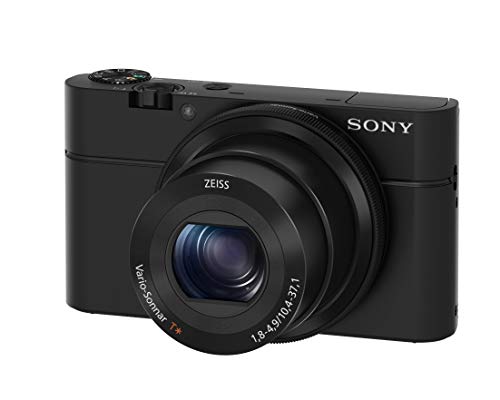
The original RX100 set the standard for 1-inch compact cameras, delivering solid image quality with a 20.2 MP Exmor sensor. Its 28-100mm equivalent lens provides a versatile range, and the bright aperture supports low-light shooting and pleasing background separation. A 3-inch LCD offers straightforward framing and menu access, while 1080p video captures everyday moments with good detail. The 10fps burst mode helps capture action, and the camera remains a reliable option for photographers who want classic RX100 performance in a small package.
While newer RX100 variants offer additional features, the original RX100 remains a compelling value for those who want strong stills and reliable video in a compact, travel-ready camera. Its enduring image quality and intuitive controls make it a durable choice for entry into high-quality compact photography.
Panasonic LUMIX ZS100 1-Inch Sensor

Panasonic’s LUMIX ZS100 pairs a 1-inch 20.1 MP MOS sensor with a versatile 10x Leica zoom lens (25-250mm equivalent) and HYBRID OIS for stable shots across its range. The camera also includes an electronic viewfinder and a large 3-inch LCD, making framing and composition easier in bright light or tight spaces. The ZS100 captures sharp 4K QFHD video and offers 4K Photo features that let you pull focused stills from video, expanding creative options for travelers and vloggers alike.
While the 1-inch sensor may trail larger formats in extreme low-light situations, the ZS100 provides a compelling balance of reach, stabilization, and portability. Its robust controls, solid build, and versatile zoom make it a practical choice for those who want a flexible all-around camera that stays compact enough for daily carry.
Buying Guide
Key considerations when choosing a 1-inch sensor compact camera include sensor performance, lens versatility, autofocus speed, and video capabilities. A 1-inch sensor offers better noise control and dynamic range than smaller sensors, but it is still markedly smaller than APS-C or Micro Four Thirds options. Among these models, lenses with wide apertures (around f/1.8 to f/2.8) help in low light and portrait work, while longer zooms (up to 200mm equivalent) provide flexibility for travel and events.
Autofocus speed and tracking are essential for action and travel photography. The RX100 VII shines with its ultra-fast AF and 20 fps continuous shooting, while earlier models offer strong performance with reliable phase-detection and contrast-detection systems. For video, 4K capture is a major plus; consider models with robust video controls and stabilization to ensure smooth clips during movement. Optical or hybrid stabilization plays a key role in reducing shake when shooting at longer focal lengths or in low light.
Portability and ergonomics matter for extended shoots. Smaller forms encourage longer carry without fatigue, but may sacrifice grip comfort for some users. Tilting or articulating screens can aid in selfies and tricky angles, while electronic viewfinders help in bright sun and when precise framing is required. Battery life varies across models, so plan for extra cards and spares if you shoot frequently away from power sources. Connectivity options like Wi-Fi or Bluetooth can streamline transfer to devices for quick sharing.
Budget and long-term value are practical lenses for decision-making. While newer models offer improved speed and video, older RX100 variants still deliver excellent image quality and strong resale potential. If your priority is a truly compact camera with a broad zoom range and solid stills, the Panasonic ZS100 and Sony RX100 series provide dependable options. For maximum speed and versatility in a pocketable form, the RX100 VII stands out, while the RX100 II and original RX100 present balanced, cost-effective choices for enthusiasts.
Quick guidance for different needs
- Best overall balance of size, image quality, and feature set: Sony RX100 VII.
- Strong low-light performance and a tilting screen: Sony RX100 II.
- Classic RX100 experience with a compact body and proven performance: Sony RX100 Original.
- Wide to standard zoom with robust 4K video and stabilization: Panasonic ZS100.
- Compact travel camera with fast lens and good all-around performance: Sony RX100 III.