Finding the right gimbal depends on your gear, shooting style, and portability needs. This guide compares common 2-axis and 3-axis gimbal considerations and highlights five top options to help you decide which stabilizer best fits your projects. The top picks are ideal for different creators: travel shooters, vloggers, event filmmakers, and professionals needing quick setup and reliable stabilization.
Buying summary table (selected products)
- DJI RS 3 Mini — Compact, light, strong payload, travel-friendly. Best for travel and run-and-gun shoots.
- DJI RSC 2 — Foldable, portable, easy for on-the-go work with DSLR/mirrorless cameras. Great balance of size and power.
- DJI RS 2 — High payload capacity, fast setup, strong tracking. Best for larger bodies and fast-paced shoots.
- FeiyuTech SCORP Mini-3-Pro — Versatile for multiple device types, detachable remote handle. Best for flexible, on-the-go creators.
- FeiyuTech SCORP Mini 3 — Compact smartphone/mirrorless suitable for social media content. Best for solo creators and compact setups.
DJI RS 3 Mini: Ultra-Portable 3-Axis Gimbal
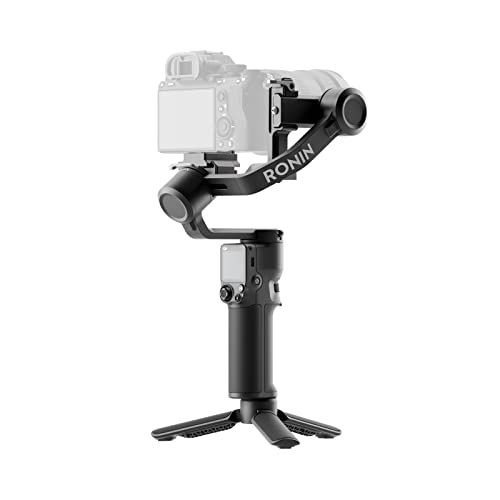
Best for: Travelers and solo shooters who need lightweight stabilization with substantial load capacity. The RS 3 Mini weighs 795g (1.75 lbs) and supports up to 2 kg (4.4 lbs) payload, pairing well with a range of mirrorless bodies and lenses. Its native vertical shooting mode makes it ideal for vertical content creators and social media. Bluetooth shutter control adds convenience for quick captures.
Why selected: It offers a strong balance of portability and torque for everyday shoots, with quick pairing and camera control that reduces setup time. The lighter design helps with long shooting sessions without sacrificing stabilization strength.
Limitation: While compact, the 2 kg payload means very heavy lens combinations may push the limits of its stability in active environments. Consider lighter kit when planning dynamic moves.
DJI RSC 2: Foldable 3-Axis Stabilizer
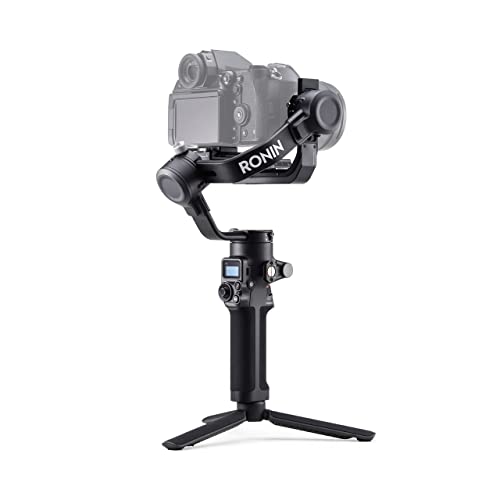
Best for: On-the-go creators who need a compact, foldable solution for DSLR and mirrorless cameras. The RSC 2 weighs about 1.18 kg (2.6 lb) with a 6.6 lb (3 kg) payload and folds into a travel-friendly size. Its Titan Stabilization algorithm provides smoother footage, while SuperSmooth mode helps when using longer lenses.
Why selected: It combines strong stabilization with portability, making it a flexible choice for photographers who travel often or shoot in tight spaces. The OLED screen provides quick, on-device controls.
Limitation: The higher payload capacity may require more careful balance and heavier rigs. Make sure your camera-lens combo fits comfortably within the rated payload to avoid performance dips.
DJI RS 2: High-Payload 3-Axis Stabilizer
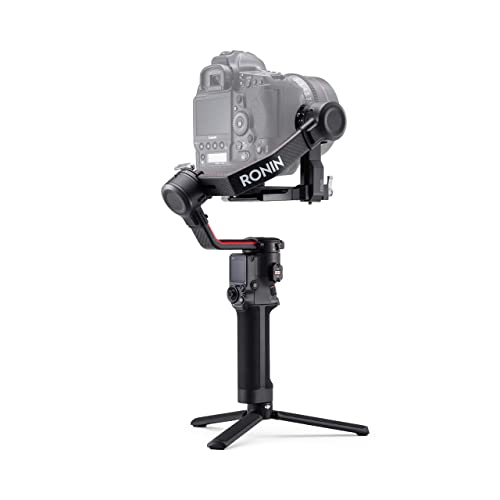
Best for: Professionals needing quick setup and robust stabilization for heavier cameras. The RS 2 supports up to 10 lbs payload and features a fast setup workflow and intelligent tracking for dynamic scenes. Its lightweight carbon-fiber construction keeps balance favorable for longer shoots.
Why selected: It excels in fast-paced environments where rapid transitions are common, and subject tracking helps maintain smooth framing without manual adjustments. The compact optional add-ons support various shooting styles.
Limitation: Heavier kits require stronger support and may reduce portability compared to smaller gimbals. Ensure the rig is balanced and within payload limits for the best results.
FeiyuTech SCORP Mini-3-Pro: Pro-Grade 3-Axis Gimbal

Best for: Content creators who need AI tracking across multiple devices with flexible control, including detachable remote options. This gimbal supports a range of cameras and action devices, with AI tracking and a detachable handle for special setups. It’s designed for extended shoots with reliable follow performance.
Why selected: The four-in-one versatility supports diverse shooting needs, and the detachable grip expands creative possibilities for solo operators or long-duration shoots.
Limitation: The complexity of AI tracking features may require learning to optimize performance, and some configurations may need cables or adapters for certain cameras.
FeiyuTech SCORP Mini 3: Compact 3-Axis Gimbal
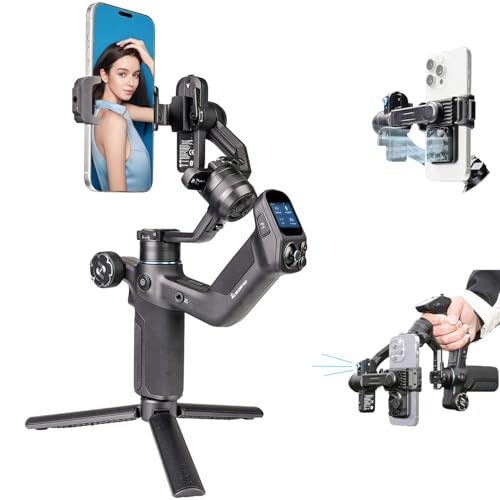
Best for: Solo creators focusing on mobile-friendly setups, especially with smartphones and light mirrorless gear. The SCORP Mini 3 offers a built-in AI tracking module and a compact form factor with a 2 kg payload appropriate for lightweight rigs.
Why selected: It emphasizes quick switching between horizontal and vertical shooting, which is ideal for social media formats. The built-in AI tracking delivers reliable subject follow without extra apps in many cases.
Limitation: The 2 kg payload may limit heavier lens choices; check your camera and lens weight to ensure compatibility with the gimbal’s capacity.
ZHIYUN CINEPEER Weebill 3E: 3-Axis Light with Vertical Shooting

Best for: Professionals seeking a high payload within a compact body, offering native vertical shooting and a comfortable handle design. It supports up to 3 kg payload and emphasizes portability for longer shoots with DSLRs and mirrorless cameras.
Why selected: The 3 kg payload support is substantial for compact setups, and the vertical shooting feature is highly convenient for social media content creators and interview-style shoots.
Limitation: The package notes the need for compatible control cables for certain cameras; verify compatibility with your specific camera model before purchasing.
Buying Guide: How to Choose Between 2-Axis and 3-Axis Gimbals
- Payload needs: If you use heavier cameras and longer lenses, prioritize higher payload ratings (3-axis gimbals with 4–10+ lb capacities). For compact systems or smartphone rigs, lighter gimbals are often sufficient.
- Portability vs. stability: 2-axis gimbals are typically simpler and lighter, offering basic stabilization with less motor load. 3-axis systems provide full stabilization across pan, tilt, and roll, reducing more camera shake in dynamic movements.
- Vertical shooting: Native vertical mounting saves time and preserves balance, useful for social media content. Many 3-axis models offer vertical modes or easy quick-release solutions.
- Ease of use: Some gimbals include OLED screens, auto-locks, and tracking modules. Consider how intuitive the controls are and whether you need advanced tracking for your workflow.
- Tracking and AI features: AI tracking and gesture controls improve solo shooting efficiency but may require a learning period. Decide if you need hands-free subject following or manual framing more often.
- Battery life: Battery runtime varies by model and payload. For long shoots, prioritize models with longer battery life or external power options.
- Footprint and travel considerations: Foldable designs and compact footprints matter for travel-heavy work. Ensure your kit is balanced and portable to fit in your usual bags.
Frequently Asked Questions
- What is the main difference between a 2-axis and a 3-axis gimbal? A 2-axis gimbal stabilizes pan and tilt, typically reducing yaw or horizontal shake, while a 3-axis gimbal adds roll stabilization for camera tilt stability, providing smoother footage across more movements.
- Do I need a 3-axis gimbal for vlogging? For most vlogging setups, a 3-axis gimbal offers more comprehensive stabilization, especially during walking shots, making it a common choice for content creators.
- Can a gimbal handle both a small camera and a smartphone? Some gimbals are designed as all-in-one solutions, supporting smartphones, action cameras, and lightweight mirrorless cameras. Check payload specs and compatibility before purchasing.
- Is vertical shooting important for social media? Yes, native vertical shooting simplifies content creation for platforms like Instagram Reels and TikTok without recalibration.
- What should I consider about payload and balance? Ensure your camera, lens, and accessories weigh within the gimbal’s maximum payload. Improper balance reduces stabilization efficiency and motor torque.
- Are foldable designs worth it for travel? Foldable gimbals save space and are easier to transport, but you may trade some weight capacity for added portability.