Photographers seeking versatile reach often rely on 200mm-class lenses for portraits, wildlife, sports, and events. The 200mm range balances background blur with workable working distance, while modern telephoto zooms deliver fast autofocus, image stabilization, and more compact designs. This guide highlights five strong 200mm-range options from Canon, Nikon, and Sony that suit different shooting styles and budgets. Each lens brings a distinct mix of speed, reach, and handling, helping you select the right combination of image quality, weight, and versatility for your camera system.
| Product | Brand | Focal Range | Key Strength |
|---|---|---|---|
| Canon RF70-200mm F2.8 L IS USM Lens | Canon | 70-200mm | Bright f/2.8, IS up to 5 stops |
| Nikon NIKKOR Z 70-200mm f/2.8 S | Nikon | 70-200mm | Professional build and fast AF |
| Sony FE 200-600mm F5.6-6.3 G OSS | Sony | 200-600mm | Long reach with Optical Stabilization |
| Nikon Z5 II Telephoto Zoom Lens 24-200mm | Nikon | 24-200mm | Full-frame versatility and fast AF |
| Canon RF70-200mm F4 L IS USM Lens | Canon | 70-200mm | Lightweight, IS, compact design |
Canon RF70-200mm F2.8 L IS USM Lens

The Canon RF70-200mm f/2.8 L IS USM is a staple for professionals demanding speed and versatility. Its constant f/2.8 aperture across the zoom range provides excellent subject isolation and reliable shutter performance in variable light. The RF L-series construction emphasizes durability, while weather sealing helps on outdoor shoots. Optical image stabilization delivers up to approximately 5 stops of shake correction, which is particularly helpful when shooting handheld at long distances. The combination of reach, speed, and build makes it a strong choice for portraits, sports, and wildlife on EOS R bodies.
- Bright f/2.8 throughout the zoom range.
- RF L glass with robust, weather-sealed construction.
- Optical image stabilization up to about 5 stops.
Its balance of weight and performance is well suited to field work, where fast autofocus and precise framing matter as much as image quality. When you need sharpness at speed, this lens is a reliable workhorse that handles demanding assignments with confidence.
Nikon NIKKOR Z 70-200mm f/2.8 S

The Nikon NIKKOR Z 70-200mm f/2.8 S is built for professional performance on Z-series mirrorless cameras. At 70mm, it can focus as close as 0.5 meters, enabling expressive portrait work with a shallow depth of field. The lens uses a standard 77mm filter thread and adds practical controls, including customizable Function buttons and a control ring to tailor it to your shooting style. The combination of a fast constant aperture, durable construction, and flexible control layout makes this lens ideal for events, sports, and wildlife where speed and reliability are paramount.
- Constant f/2.8 aperture for precise exposure control.
- Close focus distance of about 0.5 m at 70mm.
- 77mm filter thread and customizable controls for on-the-fly adjustments.
For professionals using Nikon Z cameras, this lens pairs with high-resolution sensors to deliver sharp details and rich rendering across the frame, from wide portraits to distant action.
Sony FE 200-600mm F5.6-6.3 G OSS
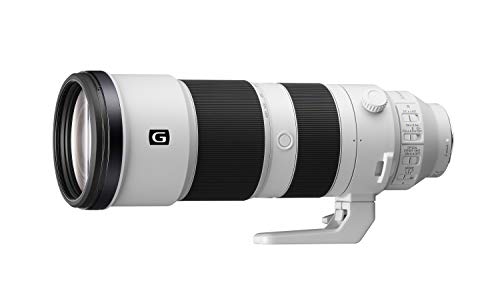
Sony’s FE 200-600mm F5.6-6.3 G OSS delivers substantial reach with a compact travel profile. The lens emphasizes high-resolution performance across the zoom range and uses a 5x ED glass element layout to control chromatic aberration, keeping edges clean and colors accurate. Flare and ghosting are minimized by optical coatings, while the Direct Drive Supersonic Wave Motor provides fast, quiet, and precise autofocus—an asset for wildlife and sports where every millisecond counts. Optical stabilization complements camera IBIS to produce sharper handheld shots across long distances.
- Long-range zoom from 200mm to 600mm with steady performance.
- 5x ED glass elements to reduce chromatic aberration.
- Direct Drive SSM autofocus and OSS for stability.
Ideal for wildlife observers and wildlife photographers who need reach without sacrificing agility or balance in the field.
Nikon Z5 II Telephoto Zoom Lens 24-200mm

The Nikon Z5 II with a 24-200mm zoom provides a convenient all-in-one solution for full-frame Nikon Z bodies. It features a 24.5MP BSI-CMOS FX-format sensor and the EXPEED 7 engine, enabling fast shooting up to 30fps in suitable modes. Advanced autofocus detects a range of subjects—people, birds, dogs, cats, cars, bicycles, motorcycles, trains, and airplanes—helping keep action in focus. The system delivers strong low-light performance with AF down to -10EV and up to 7.5 stops of built-in stabilization. A bright electronic viewfinder with up to 3000 nits and dual SD UHS-II slots rounds out a capable package for travel and documentary work.
- Full-frame, 24.5MP sensor with fast processing for high-speed shooting.
- Autofocus detects multiple subjects for versatile action tracking.
- In-body-like stabilization with solid low-light AF performance.
Suitable for photographers who want a single versatile lens for a stroll, travel, or documentary projects without swapping lenses frequently.
Canon RF70-200mm F4 L IS USM Lens

The Canon RF70-200mm F4 L IS USM is Canon’s lighter, more portable option in the 70-200mm family. It delivers solid image quality with a constant f/4 aperture and the same L-series reliability you expect from Canon. The built-in Optical Image Stabilizer provides up to 5 stops of shake correction, enhancing handheld performance in portraits, events, and outdoor shoots where mobility matters. While not as fast as f/2.8 lenses, the f/4 version offers a compelling balance of weight, price, and optical performance for enthusiasts and professionals who value portability without sacrificing sharpness across the frame.
- Lightest 70-200mm in Canon’s lineup with strong image quality.
- Constant f/4 aperture suitable for all-day shooting.
- Optical image stabilization up to 5 stops.
For travel, family events, and mounted studio work, this lens is a practical compromise between weight and performance, delivering reliable results with a smaller footprint.
Buying Guide
KeyFactors to Consider When Picking a 200mm Telephoto Zoom
- Camera system compatibility: Ensure the lens mount matches your camera (Canon RF, Nikon Z, Sony E). Autofocus performance and stabilization are often tuned to the camera body’s AF system and sensor size.
- Aperture and speed: Fast constant apertures such as f/2.8 deliver more subject separation and better performance in low light, but they add weight and cost. Lighter options like f/4 are easier to handle for long shoots and travel.
- Image stabilization and IBIS synergy: Lenses with built-in IS (Canon) or OSS (Sony) cooperate with camera stabilization to maximize handheld sharpness, especially at long focal lengths and slower shutter speeds.
- Autofocus performance: For action, fast and reliable AF matters more than magnitude of reach. Look for lenses with fast AF motors and well-tuned control rings or function buttons for on-the-fly adjustments.
- Weight and balance: A heavy 200mm zoom can tax handheld shooting and cause fatigue. Consider the combination with your camera body and how you carry gear on long shoots.
- Build quality and weather sealing: Pro-grade lenses (like Canon L and Nikon S-series) protect against dust and moisture, which matters for outdoor assignments.
- Filter size and accessories: Larger front filters (often 77mm or bigger) affect accessory costs and handling. Check for compatible hoods and lens caps.
- Budget and value: There are premium, mid-range, and lightweight options. Evaluate whether you need the brightest aperture, the longest reach, or a balance of both within your budget.
- Use-case scenarios: Portrait work benefits from faster apertures; wildlife and sports favor longer reach and fast AF; travel shooters prioritize portability and versatility.
- Potential upgrades: Some lenses perform well with teleconverters, but note that image quality and AF speed can be affected. Consider compatibility before adding extenders.
The lenses above represent a spectrum from high-speed, professional-grade options to lighter, more portable choices. By weighing aperture needs, stabilization capabilities, and camera system compatibility, you can select a 200mm zoom that best fits your shooting style and environment, whether you’re capturing fleeting wildlife, dynamic sports, or intimate portraits.