Finding the right 24mm wide-angle lens depends on your camera system and shooting style. This guide highlights five popular options ideal for landscape, street, travel, and architectural photography. Each lens offers distinct strengths, from ultra-wide field of view to bright apertures for low light. The top picks cover Nikon Z and DX, Canon EF-S, and Sony E mounts, helping you choose the best 24mm lens for your setup and budget.
| Product | Mount / System | Main Strength |
|---|---|---|
| Nikon NIKKOR Z 24-120mm f/4 S | Nikon Z | Versatile zoom with constant f/4, wide to tele |
| Nikon NIKKOR Z DX 24mm f/1.7 | Nikon Z DX | Fast prime for DX bodies with close focusing |
| Sony FE 24mm f/1.4 GM | Sony E | Ultra-sharp with stunning bokeh |
| Canon EF-S 24mm f/2.8 STM | Canon EF-S | Compact pancake prime for APS-C |
| Nikon NIKKOR Z 14-24mm f/2.8 S | Nikon Z | Ultra-wide professional zoom with constant f/2.8 |
Nikon NIKKOR Z 24-120mm f/4 S

The Nikon NIKKOR Z 24-120mm f/4 S is a premium all-in-one zoom for Nikon Z series mirrorless cameras, providing a versatile 24–120mm range on FX-format Z bodies and an effective 36–180mm on DX bodies. This lens suits photographers who want one lens for landscapes, portraits, and travel without swapping glass. It features a close focus distance as short as 1.15 feet across the zoom range and dual high-speed, ultra-quiet STM motors for clean edge-to-edge sharpness and minimal focus breathing.
Best for: Travel photographers and landscape shooters who prefer flexibility and a stable zoom range without frequent lens changes.
Why selected: It covers wide to moderate tele angles with consistent performance and compact handling for a premium all-in-one experience.
Cautions: The zoom range is heavier and more expensive than prime options; consider size and cost for ultra-light travel kits.
Nikon NIKKOR Z DX 24mm f/1.7

This extra-wide prime lens for DX-format Z cameras delivers a bright f/1.7 aperture and a compact footprint. It features a short working distance, letting you place subjects as close as 4.7 inches from the front of the lens, and it’s optimized for near-silent AF suitable for video. The lens provides a versatile wide field of view that approximates a 35mm full-frame lens on DX bodies, making it ideal for street photography and environmental portraits.
Best for: DX-format shooters who want fast performance in low light and a compact, lightweight prime.
Why selected: The fast aperture and close focusing distance enable dramatic depth of field and intimate close-up environmental shots.
Cautions: You lose compatibility on FX-format bodies without cropping, so use this lens mainly on DX cameras for best results.
Sony E-mount FE 24mm f/1.4 GM
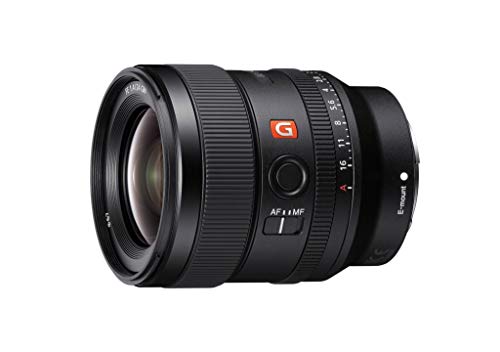
The Sony FE 24mm f/1.4 GM is a premium wide-angle prime for Sony full-frame cameras. It delivers extraordinary sharpness from edge to edge and a high-quality bokeh effect at wide apertures. The lens is built for compact identity and fast autofocus, making it a strong choice for landscapes, documentary photography, and street scenes where subject isolation and low-light performance matter.
Best for: Full-frame Sony shooters who want top-tier image quality and minimal chromatic aberration in a compact, fast prime.
Why selected: The f/1.4 aperture provides exceptional low-light performance and subject separation for a wide range of scenes.
Cautions: It is a premium option with a higher price point; consider if you need the absolute center-to-edge sharpness and creamy background blur in all circumstances.
Canon EF-S 24mm f/2.8 STM

The Canon EF-S 24mm f/2.8 STM is a compact, lightweight pancake prime designed for APS-C Canon DSLRs. Its 24mm equivalent gives a natural, slightly wider-than-normal perspective, making it ideal for street, travel, and environmental portraits. The bright f/2.8 aperture supports better performance in dim light and provides a shallow depth of field for creative control, while its portability makes it easy to carry on daily shoots.
Best for: Canon APS-C users seeking a small, portable wide-angle prime for travel and everyday photography.
Why selected: Its compact design fits easily in any bag and pairs well with budget-friendly kits for versatile shooting.
Cautions: On full-frame Canon bodies, this lens will behave as a wide angle but lacks the larger field of view of true full-frame wide primes; use on APS-C bodies for best results.
Nikon NIKKOR Z 14-24mm f/2.8 S

The NIKKOR Z 14-24mm f/2.8 S is a professional ultra-wide zoom for Nikon Z cameras with a constant f/2.8 aperture. It delivers outstanding resolution across the entire image and is perfect for landscapes, night skies, architecture, and interiors. While heavier and more expensive than typical kit options, it excels in situations demanding wide coverage and exceptional image quality at all distances.
Best for: Nikon Z system users who need extreme wide-angle capability for professional-grade landscapes and architecture.
Why selected: The constant f/2.8 and sharp rendering across the frame make it a go-to ultra-wide option for serious photographers.
Cautions: This is a premium lens with a larger footprint; ensure your camera body and bag can accommodate the size and weight.
Buying Guide
What should you consider when choosing a 24mm wide-angle lens?
- Camera system compatibility: Pick a lens designed for your mount to maximize autofocus performance and image quality.
- Aperture and low-light needs: Fresher f/1.4–f/2.8 options excel in dim environments and offer better depth control.
- Focal length range: Wide primes (around 24mm) are ideal for landscapes and architecture; zooms (24-120mm, 14-24mm) add flexibility for travel and events.
- Weight and size: Consider portability for travel or street work, especially if you plan to carry multiple lenses.
- Distortion and edge-to-edge sharpness: Some ultra-wide FX lenses may exhibit distortion; check correction profiles in your editing workflow.
- Dedicated macro or close-focus capability: If close-up subjects are common, prioritize lenses offering short minimum focus distances.
- Budget and value: Pricier fast primes offer creative advantages, while versatile zooms provide convenience and coverage.
Frequently Asked Questions
- Q: Which 24mm lens is best for travel on a full-frame Nikon Z body? A: The Nikon NIKKOR Z 24-120mm f/4 S offers versatility from wide to tele while maintaining a constant aperture across the zoom range, reducing the need to swap lenses.
- Q: Do I gain a noticeable advantage with f/1.4 or f/2.8 on wide angles? A: Yes, faster apertures improve low-light performance and provide more dramatic depth of field control, especially for nightscapes and portraits in constrained spaces.
- Q: Are ultra-wide zooms heavier than primes? A: Often yes, due to broader optical elements; consider your bag weight and balance with your camera.
- Q: Is a DX-format 24mm equivalent lens useful on APS-C bodies? A: It is, offering a wider field of view on smaller sensors; suitable for street photography and environmental portraits.
- Q: Should I buy a dedicated macro-capable 24mm? A: If close-up detail is essential, prioritize a lens with a short minimum focusing distance or macro capability.
- Q: Which mount provides the most options for 24mm lenses? A: Canon EF-S and Sony E mounts have broad selections, while Nikon Z offers strong, high-quality zooms and primes for their system.