Looking for a versatile prime lens in the 35mm or 50mm range? This guide highlights five solid options that cover classic street, portrait, and low-light shooting. Each option suits different camera systems and budgets, helping you pick the best fit for your style. The top picks emphasize sharpness, pleasing bokeh, reliable autofocus, and compact designs suitable for everyday carry. Whether you shoot with Canon, Nikon, Sony, or other brands, these lenses offer strong value for enthusiasts and hobbyists alike.
| Product | Brand | Format | Why It Stands Out |
|---|---|---|---|
| Canon EF 50mm f/1.8 STM | Canon | Canon DSLR | Bright f/1.8 for sharp portraits and low light |
| Sony FE 50mm f/1.8 | Sony | Full-Frame E-mount | Compact, lightweight, smooth bokeh |
| Nikon AF-S 50mm f/1.8G | Nikon | FX/DSLR | Solid, fast in low light with SWM |
| Nikon 35mm f/1.8G DX | Nikon | DX format | Wider field of view with sharp corners |
| YONGNUO 50mm f/1.8 | YONGNUO | Canon EF Mount | Budget-friendly full-frame and APS-C support |
Canon EF 50mm f/1.8 STM Lens

Best for portrait work and night photography on Canon DSLRs. The 50mm focal length delivers natural perspective with a fast f/1.8 aperture, enabling sharp subjects and soft backgrounds. Its compact design suits street photographers and travelers who want discretion and portability. The focus distance of 1.15 feet (0.35 m) supports close portraits and tighter framing.
Who it’s for: Canon DSLR users seeking a budget-friendly yet capable prime for everyday shooting and portraits. Why chosen: lightweight, affordable, and delivers strong image quality at a wide aperture. Limitation: not optimized for high-end Canon lens lineups; may exhibit noticeable distortion at edges on some bodies.
Key features: 50 mm focal length, f/1.8 maximum aperture, angle of view 40° horizontal, 27° vertical, 46° diagonal, minimum focus distance 0.35 m, maximum magnification 0.21x.
Sony FE 50mm F1.8 Standard Lens

Ideal for Sony full-frame mirrorless cameras, this 50mm prime offers a bright f/1.8 aperture with a circular 7-blade diaphragm for pleasing background blur. It’s compact and lightweight, making it a strong everyday carry lens for street, documentary, and low-light candid photography.
Who it’s for: Sony shooters who want a portable prime for sharpness and natural perspective. Why chosen: compact design and reliable autofocus, great value for full-frame E-mount users. Limitation: autofocus performance can feel slower in very dim conditions or on older bodies.
Nikon AF-S FX NIKKOR 50mm f/1.8G

Strong standard prime for Nikon DSLR shooters with FX format. The f/1.8 aperture supports shallow depth of field and fast shutter speeds in dim lighting. The lens includes an aspherical element and Nikon’s silent wave motor for smoother focusing.
Who it’s for: Nikon DSLR users seeking a reliable 50mm prime for portraits and everyday photography. Why chosen: established optical design and compatibility with most FX bodies. Limitation: older AF-S system may still miss occasional focus in challenging low-light conditions compared to newer models.
Nikon AF-S DX NIKKOR 35mm f/1.8G
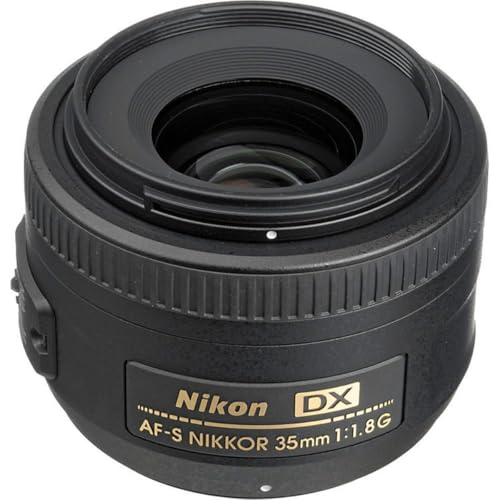
A practical 35mm DX lens with a 52.5 mm equivalent field of view, offering a wider perspective for street and environmental portraits on Nikon DX cameras. The f/1.8 aperture enables pleasing background separation and solid performance in available light.
Who it’s for: Nikon DX format users who want a wider normal focal length. Why chosen: excellent value for a 35mm prime in the DX lineup. Limitation: designed for DX sensors; on FX bodies, effective field of view changes and compatibility varies.
YONGNUO YN50mm F1.8
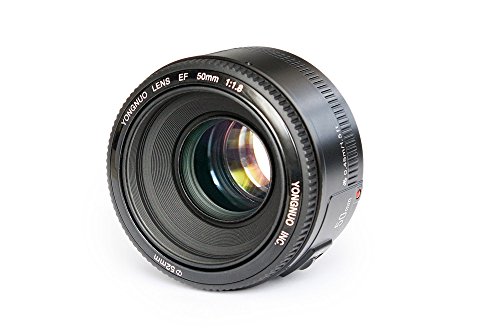
Budget-friendly 50mm prime with autofocus and manual focus options, compatible with Canon EF mount and suitable for full-frame and APS-C formats. It features a 0.45 m minimum focusing distance for closer subjects and multi-coated elements to improve transmittance.
Who it’s for: photographers on a tight budget who still want a 50mm prime and basic AF/MF flexibility. Why chosen: excellent value, broad compatibility, and simple design. Limitation: build quality and autofocus speed may lag behind higher-priced options.
Buying Guide
What to consider when choosing a 35mm or 50mm lens:
- Camera format and mount: Ensure the lens matches your camera’s mount (Canon EF, Nikon F, Sony E, etc.).
- Aperture and low-light use: Lenses with f/1.8 or faster are ideal for portraits and dim scenes, but consider weight and size trade-offs.
- Field of view: 35mm offers a wider scene, great for street and environmental portraits; 50mm delivers flatter perspective ideal for head-and-shoulders portraits.
- Autofocus performance: If you shoot action or moving subjects, prioritize lenses with reliable AF and quiet operation.
- Image quality vs. budget: Higher-priced primes may yield sharper corners and contrast, but many budget options still perform well for everyday use.
- Size and weight: Compact lenses are easier to carry; heavier lenses may stabilize better for hand-held shooting with slower shutters.
FAQ
- What is the difference between 35mm and 50mm lenses?
- Which lens is best for portraits?
- Do these lenses work on full-frame and crop-sensor bodies?
- Should I buy a 50mm instead of a 35mm if I shoot indoors?
- Is a budget lens worth it for beginners?
- Can I use these lenses on mirrorless cameras?
The 35mm lens provides a wider field of view suitable for street and indoor photography, while the 50mm offers a more natural perspective and tighter framing, ideal for portraits.
Both can work, but the 50mm f/1.8 family is often preferred for flattering portrait perspective and attractive bokeh, especially on full-frame cameras.
Many listed options support both, but DX/Nikon 35mm is optimized for crop sensors; check your camera’s format compatibility before pairing.
Indoors, a 50mm can be too tight on crop bodies; the 35mm may provide a more comfortable framing for group shots and tighter spaces.
Yes, budget primes offer solid sharpness and creative options; upgrade later if you need enhanced sharpness or weather sealing.
Some are designed for DSLR mounts; adaptors may be required for mirrorless bodies, and autofocus performance can vary with adaptors.
These five lenses cover a broad range of 35mm and 50mm options across popular brands. They suit beginners seeking an affordable entry into prime photography and enthusiasts who want reliable performance without overspending. Use the Buying Guide to compare field of view, aperture, and autofocus characteristics to pick the best lens for your shooting style.