Photographers exploring vintage film formats often want to blend classic 35mm flexibility with the larger image plane of 120 format cameras. The following 5 adapters convert standard 35mm film for use in medium format bodies, enabling panoramic effects, sprocket-hole exposure, or just creative experimentation. Each option includes practical notes on compatibility, ease of use, and what you gain visually when shooting with a 35mm film in a 120 system.
| Product | Brand | Key Benefit |
|---|---|---|
| HOLGA 35mm to 120mm Film Spool Adapter for 120 Medium Format Film Cameras | spovan | Simple kit to shoot 35mm in 120 bodies |
| 35mm to 120/220 Film Camera Adapter Medium Format Panorama | Generic | Wide panorama and sprocket exposure |
| 2 Sets – 35mm to 120 Film Adapter Kit | Generic | Seamless bridge for 120 cameras |
| 35mm to 120 Medium Format Camera Film Spool Adapter Kit 3D Printed | Generic | 3D-printed option for 35mm in 120 gear |
| 2 Sets 135 35mm to 120 35mm Cassette Accessories | eTone | Double-set versatility for classic canisters |
HOLGA 35mm To 120 Adapter Kit By Spovan
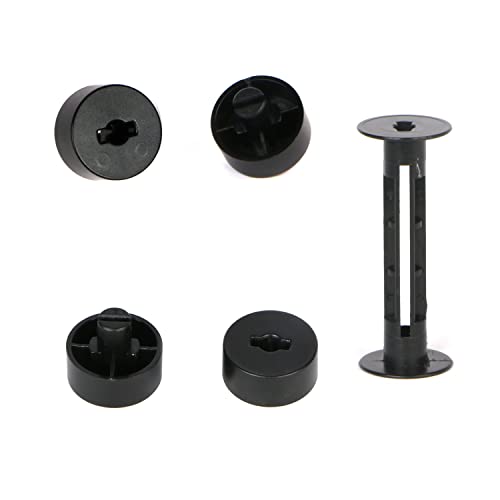
This adapter centers a 35mm film canister within a 120 format spool, enabling 35mm film use in 120 cameras. It’s designed to work with standard 35mm film and helps shooters access films not available in 120 format. The kit includes two sets of adapters, though the camera and film are not included. The primary visual effect is an expanded heightwise exposure, offering distinctive framing from a familiar film stock.
35mm To 120/220 Film Camera Adapter For Panoramas
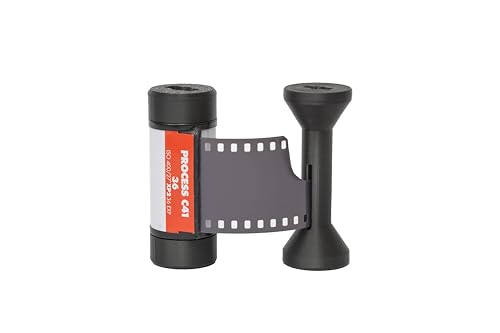
Designed to capture wide panorama photos by exposing the 35mm film in a 120 format camera, this adapter is marketed as one-set with three pieces per set. It enables 35mm sprocket-hole exposure in a medium format frame, expanding creative options for photographers who want panoramic frames without changing the camera body. Users should monitor light leaks and ensure compatibility with their camera’s loading mechanics.
2 Sets 35mm To 120 Film Adapter Kit

This kit offers a universal 35mm to 120 conversion, designed to shoot standard 35mm film in any 120 camera. It’s positioned for photographers curious about panoramic formats or sprocket-hole exposure. The product emphasizes USA-made precision engineering and a robust fit for vintage systems, with broad compatibility across common 120 medium format bodies such as folders, TLRs, and SLRs.
35mm To 120 Medium Format Spool Adapter Kit 3D Printed
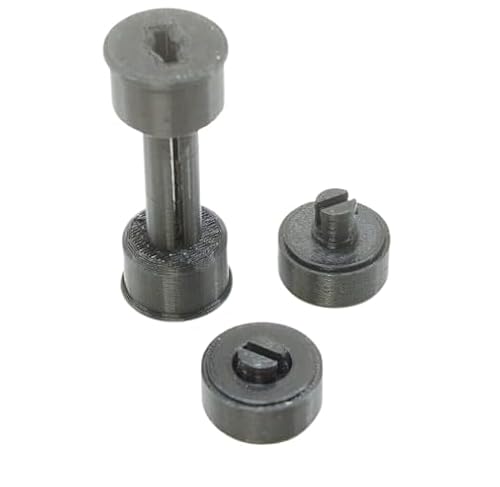
This 3D-printed adapter kit aims to bridge 35mm film into 120 medium format cameras. The listing highlights a distinct branding approach with DNA Prints, focusing on accessible customization for hobbyists and experimental shooters who want a budget-friendly option to test 35mm in vintage bodies. Users should verify compatibility with their specific camera model before purchasing.
2 Sets 135 35mm To 120 35mm Cassette Accessories
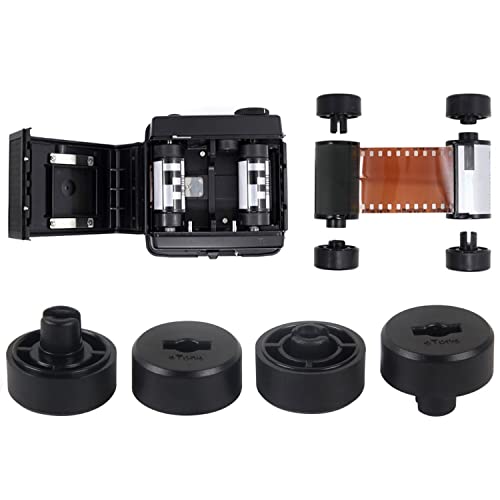
These two sets convert 135 film canisters to be used in 120-format cameras, enabling panoramas or experimental frame layouts with 35mm stock. The kit notes potential limitations with cameras that have intricate loading mechanisms, such as Mamiya M645, Mamiya 7, RB67, where the adapter might not function as intended. This option is aimed at experienced users comfortable testing fit and light seals.
35mm To 120 Film Adapter Kit For Panoramas

This generic adapter kit emphasizes panoramic exposure with sprocket-hole marks, expanding 120 cameras to accommodate 35mm film stock. It emphasizes precise loading and alignment for reliable film advance. The product markets compatibility with several popular 120 cameras, providing a cost-effective route for creative 35mm experiments.
Buying Guide: Key Purchase Considerations
- Camera compatibility: Verify that your specific 120-format camera model accepts the adapter and that loading mechanisms won’t be obstructed. Some older or specialized bodies may have tight tolerances.
- Film behavior and exposure: 35mm in a 120 frame can produce unusual tall crops, sprocket-hole exposure, or panoramic effects. Consider whether you want full-frame, sprocket, or hybrid results.
- Physical build quality: Look for durable plastics or metal parts, especially around the spool interface. Poor fit can cause frame misalignment or light leaks.
- Assembly and setup: Some kits require more assembly or careful calibration. Short learning curves are helpful for quick experimentation, while complex setups suit seasoned shooters.
- Light sealing and film handling: When converting formats, light-tight operation is essential. Some kits warn about potential light leaks through windows or ports—keep a light seal plan in mind.
- Maintenance and longevity: Reusable adapters with robust construction tend to last longer in field conditions. Check for compatibility with a range of film types and future gear upgrades.
- Cost and availability: Prices vary by kit complexity and material. Consider how many cameras you own and plan for future purchases to maximize value.
- Safety and legality: Ensure affordable and safe usage, particularly with vintage equipment and film stocks. Follow local regulations for film handling and camera operation.
When selecting a 35mm-to-120 adapter, compare how each option aligns with your shooting goals. If you want simple experimentation without altering your camera’s workflow, a straightforward spool adapter may suffice. For more dramatic panoramas or sprocket-hole artistry, look for kits that explicitly advertise those features. Always test with a single roll before committing to multiple frames, especially with vintage cameras that may have different film paths or light seals.