Answering the common question “What batteries work best for film cameras?” this guide highlights five reliable options that balance longevity, compatibility, and practical use. Ideal buyers include: vintage film photographers needing dependable CR2 or CR123A power, professionals upgrading power reliability for older gear, and hobbyists stocking up for occasional shoots. The table below compares the top picks at a glance.
| Product | Why It Stands Out |
|---|---|
| Energizer CR2 Lithium Batteries (2 Pack) | Long-lasting 3V lithium power; holds charge up to 10 years in storage; versatile for high-tech devices |
| Amazon Basics 6-Pack Non-Rechargeable CR123A | High energy density, up to 10-year shelf life; ideal for flash devices and night-vision gear |
| Duracell CR2 3V Lithium Battery | High power for a wide range of cameras and lighting equipment; durable Duracell quality |
| Energizer 2CR5 Batteries | Long-lasting power (6V) for film and digital cameras; reliable for power-hungry devices |
| Amazon Basics 4-Pack CR2 Lithium Batteries | Long-lasting, low self-discharge; specific to CR2, not interchangeable with CR123A |
Energizer CR2 Lithium Batteries (2 Pack) — 3V
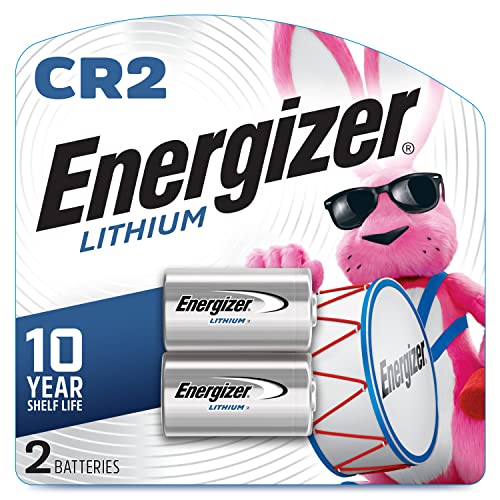
Energizer CR2 Lithium Photo Batteries provide dependable, long-lasting power for cameras and other devices. These 3V batteries are compact and designed to hold power for extended periods in storage, reducing the risk of dead batteries before you shoot. Best for shooters who want a reliable, ready-to-use option for compatible film and digital cameras, calculators, and more. A potential limitation is that they are specific to CR2-compatible devices and may not fit larger equipment that requires different formats.
Amazon Basics 6-Pack Non-Rechargeable CR123A

This 6-pack of CR123A lithium 3V batteries offers high energy and a long shelf life of up to 10 years. They’re well-suited for flash units, night-vision gear, and other devices used in photography or field work. Best for photographers who need a dependable bulk supply with a long storage window. Limitation: not rechargeable; plan for replacements when batteries discharge over time.
Duracell CR2 3V Lithium Battery

Duracell’s High Power 3V CR2 batteries are designed for reliable performance across multiple high-powered devices, including cameras and lighting equipment. They offer assurance of quality and come in sizes compatible with related CR2 formats. Best for photographers who value Duracell’s long-standing reputation. Caution: check device compatibility to avoid using batteries that aren’t supported by your specific model.
Energizer 2CR5 Batteries

Energizer 2CR5 lithium photo batteries deliver long-lasting power suitable for both film and digital cameras, with a 6-volt design that supports power-hungry devices. Best for older film cameras that require CR5-style power or for devices that use the 6V configuration. Limitations include the relatively niche form factor—verify your device’s battery size requirements before buying.
Amazon Basics 4-Pack CR2 Lithium Batteries

This 4-pack provides long-lasting power for CR2-equipped devices with a low self-discharge rate. It’s ideal for digital cameras, flash units, calculators, and related gear that rely on a stable 3V supply. Choose this if you need dedicated CR2 power in a compact, reliable pack. Caution: these batteries are not interchangeable with CR123A in most devices, so don’t mix formats in a single device.
Buying Guide
What battery type does my film camera require?
Most vintage film cameras rely on CR2 or CR123A formats. Check your camera’s manual or the battery compartment labeling to confirm the exact type and voltage. Using the wrong size can damage circuits or fail to power the device properly.
Rechargeable vs. non-rechargeable: which to choose?
Non-rechargeable lithium batteries (CR2, CR123A, CR5) offer high energy density and long shelf life, making them convenient for occasional shoots. Rechargeable options exist but may have higher upfront costs and require charging equipment. For most film photography uses, non-rechargeables are easier to manage.
How long should I expect a battery to last in camera use?
Battery life depends on device power draw and usage. For high-drain devices like certain flash units, consider higher-capacity CR123A/Lithium options and keep spares ready. Store batteries in a cool, dry place to maximize longevity.
Storage and shelf life considerations
Batteries labeled as having up to 10-year shelf life can remain ready for use in storage. This is useful for photographers who rotate equipment or maintain a back-up bag. Avoid exposing batteries to extreme temperatures, which can degrade performance over time.
Cost and availability considerations
Bulk packs (like 6 or 4 packs) often offer better per-battery value. Ensure you buy the correct type for your camera to prevent waste on incompatible sizes.
Maintenance and safety tips
- Store batteries in their original packaging or a dedicated battery case to prevent short circuits.
- Avoid mixing old and new batteries in the same device.
- Dispose of spent batteries following local regulations.
Frequently asked questions
- Can I mix CR2 and CR123A batteries in my gear? No. They have different voltages and should be used only in devices that specify the correct type.
- Are these batteries suitable for night-vision goggles? Some options (like CR123A) are commonly used in night-vision devices, but verify device compatibility first.
- Do rechargeable CR2 batteries exist? Rechargeable CR2 options exist but are less common; verify compatibility with your camera model.
- How should I store cameras and batteries together? Keep batteries separate from cameras when not in use and store in a cool, dry place.
- What should I do if a device won’t power on after replacing the battery? Check battery orientation, contact device support if needed, and try a fresh battery of the correct type.
- Is there a difference between high-drain and standard batteries? Yes. High-drain devices benefit from batteries designed for rapid discharge, while standard devices can use regular lithium batteries.