Modern film to digital converters provide a fast, convenient way to preserve 35mm slides, negatives, and vintage photos. This guide reviews five top choices, highlighting ease of use, display quality, and compatibility with common film formats. Each option offers a built-in screen for instant previews and one-step scanning, helping families and hobbyists convert archives without a computer. Use the buying guide at the end to compare features and make an informed choice for your collection.
| Product | Brand | Top Benefit |
|---|---|---|
| Kodak Slide N SCAN Film & Slide Scanner | KODAK | 5” LCD, multiple film formats, easy load |
| Mobile Film Scanner 35mm | DigitConvert | Foldable, ultra-portable, free app |
| KLIM K2 Mobile Photo Digitizer | KLIM | Smartphone-ready digitization, free app |
| DigitConvert Mobile Film Scanner (35mm) | DigitConvert | Compact design with app support |
| Kodak SCANZA Digital Film & Slide Scanner | KODAK | Broad format compatibility, built-in display |
Kodak Slide N SCAN Film & Slide Scanner

The Kodak Slide N SCAN combines a 5-inch LCD display with quick-load film inserts for 135, 110, and 126 formats, plus 50mm slides. It supports direct saving to an SD card and provides adapters for multiple film sizes. The large screen improves previewing and basic editing, making it suitable for sharing memories on a digital frame-like display. It includes a 50mm slide holder, cleaning brush, and USB/HDMI outputs for easy connection to other devices.
Mobile Film Scanner 35mm, Slide & Negative Scanner
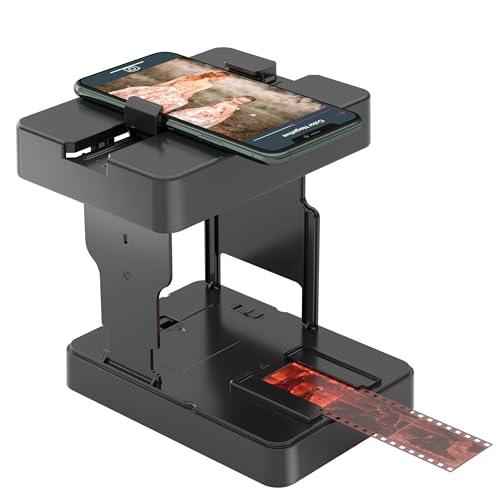
This portable, foldable scanner is designed for 35mm slides and negatives and folds into a compact box for travel. It pairs with a free accompanying app to digitize images via your phone, simplifying the process for hobbyists who want to digitize on the go. The included manual explains app setup and basic editing to turn slides into shareable JPEGs quickly.
KLIM K2 Mobile Photo Digitizer

The KLIM K2 offers a foldable design that digitizes 35mm film and slides directly to a smartphone via a dedicated app. It supports color positives and negatives and includes extra accessories like batteries, a cleaning cloth, and a magnetic plate for larger phones. The app is free, removing ongoing software fees and subscriptions from the digitization workflow.
DigitConvert Mobile Film Scanner for 35mm

DigitConvert’s compact scanner is designed for quick digitization of 35mm slides and negatives. It emphasizes portability and app-assisted transfer of images to digital formats. The design aims to minimize setup; users simply load slides and use the app to capture and save JPEGs. It’s a practical option for travelers or family members preserving a limited collection.
Kodak SCANZA Digital Film & Slide Scanner
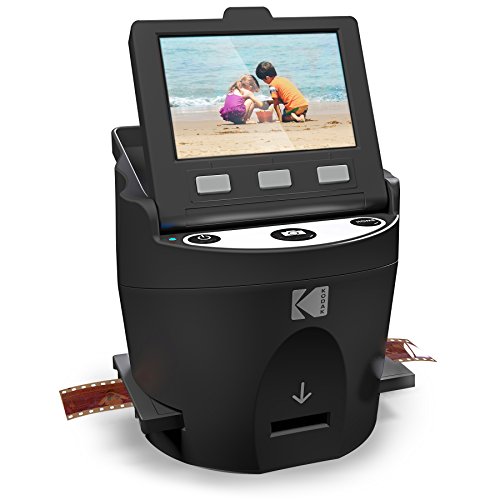
The Scanza model from Kodak supports 35mm, 126, 110 film, as well as Super 8 and 8mm with an adjustable 3.5-inch LCD for live viewing. It ships with multiple film inserts and adapters to streamline scanning across formats. One-touch scan and save controls simplify operation, making it accessible for users who want a straightforward digitization workflow without a PC.
Buying Guide
When choosing a film-to-digital converter, consider format compatibility, display quality, and standalone versus computer-assisted workflows. If you primarily digitize 35mm slides and standard negatives, look for devices supporting 135, 110, and 126 formats with easy-feed trays to minimize handling. A larger built-in LCD helps with real-time viewing and basic editing without a computer, reducing the need for post-processing on a separate device.
Portability is another key factor. Foldable designs and compact footprints suit travelers and hobbyists who digitize on the go. Free companion apps can simplify transfers to a phone or cloud storage, but verify app compatibility with your device’s operating system and ensure offline saving works if internet access is limited.
Storage options differ across models. Some scanners include built-in memory or small SD cards, while others require you to supply your own. If you plan to store many images, choose a device with at least an 8 GB SD card capacity or that supports larger cards and external storage. Look for SD compatibility (SD, SDHC, exFAT) and file formats like JPEG or TIFF for broad compatibility.
Ease of use is essential for non-technical users. One-touch scanning workflows, clearly labeled adapters, and straightforward brightness/color controls on the LCD are beneficial. Consider whether you need advanced editing features on the device or if you’ll prefer post-processing on a computer or mobile app.
Durability and components matter too. Quick-load trays, reliable slide holders, and included cleaning accessories protect film during scanning. HDMI or USB outputs may be helpful for direct connection to TVs or monitors for sharing scans in real time, though they’re not necessary for everyone.
In sum, pick a model that balances format support, display quality, portability, and app-based workflow. If you want broad format coverage and a strong built-in display, Kodak’s Scanza or Slide N SCAN lines provide robust options. For ultra-portable digitization, DigitConvert and KLIM offer foldable designs with user-friendly apps. The choice depends on whether you value on-device editing, travel-friendly design, or extensive format compatibility.