If you regularly work with camera lenses, a reliable filter removal tool is essential. These tools help you safely detach jammed or over-tightened filters such as UV, CPL, and ND without scratching glass or damaging threads. The following picks are among the most practical options for hobbyists and professionals alike, offering multiple sizes and durable materials. This guide highlights who each product is best for, why it stands out, and any practical limitations to consider.
| Product | Best For | Key Benefit |
|---|---|---|
| 3 Packs Camera Lens Filter Wrench Kit (JJC) | Beginners to enthusiasts with multiple lens kits | Versatile size range from 37mm to 95mm |
| Neewer Rubber-Coated Wrench Set (Two-Pack) | Owners with sensitive coatings | Rubber-coated, dual-wrench capability |
| BCDHAMATE Stainless Steel Wrench | Pros and serious hobbyists | Durable stainless steel for heavy use |
| [Upgraded Version] JJC Double-Sided Wrench Kit | Users needing thickness adaptability | Two-sided design for varying filter thickness |
| PROfezzion 3 Pack Wrench | Professionals seeking reliable build | Durable PC material, sawtooth grip |
3 Packs Camera Lens Filter Wrench Kit, JJC

Best for: photographers who regularly change filter types across different lenses. This kit provides three wrenches covering a wide diameter range, making it well-suited for kits that include 37mm through 95mm filters. The sawtooth design helps grip without slipping, reducing the risk of scratches during removal. Best used when filters are firmly seated but not overtightened, such as older, jammed UV or CPL filters.
Why selected: The expansive size range and included multiple wrenches address common kit diversity. Made of lightweight PC material, it’s easy to carry and reduces fatigue during repeated use. A potential limitation is that plastic tools may wear faster under heavy, repeated torque compared to metal options.
Caution: Avoid using excessive force on particularly stubborn filters; inspect for thread damage before applying force.
Neewer Rubber-Coated Wrench Set (Two-Pack)

Best for: shooters who value a non-slip grip and care about protecting coatings on delicate glass. The two-wrench kit can work together to loosen both filter rings that are stuck or to stabilize while removing a stubborn filter. It’s particularly useful when two filters are jammed together or when a plastic tool might flex under pressure.
Why selected: The rubber coating reduces the risk of marring and provides a comfortable grip during long sessions. The metal core offers durability, while the pair increases versatility. Limitation: rubber can wear over time, especially with frequent use against hard filter edges.
Tip: Use gentle, even pressure and avoid twisting too far past the filter’s natural seating to prevent thread damage.
BCDHAMATE Stainless Steel Wrench

Best for: professionals needing a robust, long-lasting tool for frequent filter maintenance. The stainless steel design offers higher resilience against bending or cracking, making it suitable for heavy-duty use with larger filters (37mm–95mm).
Why selected: Strong construction and broad compatibility with Canon, Nikon, Sony, Fujifilm, Olympus, Panasonic, and more. It stays reliable under repeated torque. Limitation: heavier than plastic or rubber wrenches, which might be less comfortable for casual, quick removals.
Caution: Ensure the tool aligns squarely with the filter to avoid slippage and potential glass contact.
[Upgraded Version] JJC Double-Sided Wrench
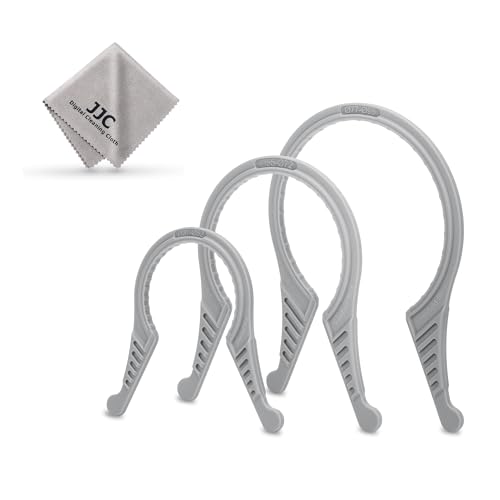
Best for: users who want maximum flexibility with filter thickness and compatibility. The double-sided design accommodates standard and ultra-thin filters, offering a precise grip across different brands and lens kits. This makes it a strong choice for those who rotate among many filter types.
Why selected: The three-pack set with distinct diameters (37mm-52mm, 55mm-72mm, 77mm-95mm) expands adaptability. Caution: While versatile, the double-sided design may require careful alignment to avoid cross-threading when changing filters.
PROfezzion 3 Pack Wrench
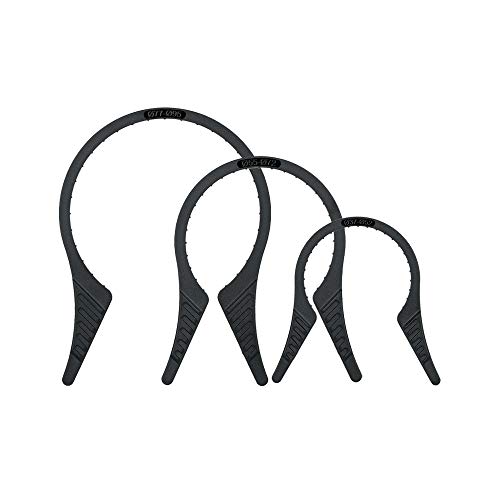
Best for: photographers seeking a reliable, durable set for removing a broad range of filters (UV, CPL, ND). The sawtooth grip design and PC material provide a balance of lightweight handling and practical grip under pressure.
Why selected: The kit emphasizes a quick, safe removal process and multiple sizes to fit most standard lenses. Limitation: PC material may show wear with aggressive use over time and may not be as stiff as metal options in extreme conditions.
Buying Guide: How To Choose The Right Camera Lens Filter Removal Tool
- Filter size coverage: Match your common filter diameters. If you own a mixed bag of lenses, consider a multi-size kit with 37mm–95mm coverage.
- Material and durability: Plastic tools are light and affordable but may wear faster; metal and stainless steel offer greater durability for frequent use. Rubber coatings reduce risk of scratches on delicate glass.
- Grip and ergonomics: Serrated, sawtooth, or rubber-coated handles improve grip, especially when filters are tight or sun-warmed. Double-sided designs add thickness adaptability for different filters.
- Compatibility: Look for universal compatibility with Canon, Nikon, Sony, Fujifilm, Olympus, Panasonic, Pentax, and others. This simplifies having a single kit across multiple lenses.
- Ease of use: Choose tools that are straightforward to align with the filter threads and that minimize the chance of cross-threading or glass damage.
- Portability: If you travel or shoot on-location, a compact, lightweight kit is advantageous. Look for packs that include multiple wrenches in a single case or pouch.
Frequently Asked Questions
- Q: Will a filter removal wrench damage my lens thread? A: When used correctly—by aligning with the filter and applying steady, even pressure—it minimizes risk of thread damage. Avoid forcing a stuck filter beyond its seating.
- Q: Are rubber-coated wrenches better than metal ones? A: Rubber coatings reduce the chance of scratching glass and coatings, making them safer for delicate filters. Metal wrenches are more durable for heavy use.
- Q: Can I use any wrench with any filter size? A: Most wrenches are designed to fit multiple sizes, but verify that your most-used diameters are covered by the kit you choose.
- Q: How do I know which size to start with? A: Start with the most common size in your kit (often 52mm or 58mm) and move to larger or smaller sizes as needed. A three-pack kit typically covers the broadest range.
- Q: Is it better to avoid using a wrench and detach filters by hand? A: If the filter is snug or over-tightened, a dedicated filter removal tool reduces the risk of slippage and glass damage compared to using bare hands.
- Q: Should I clean lugs and threads after removal? A: Yes. Wipe away debris and lightly inspect for any damage to threads before reattaching a new filter.