Choosing the right camera system for elderly care combines ease of use, clear video quality, reliable connectivity, and caregiver-focused features like motion alerts and two-way talk. The following selections emphasize 24/7 monitoring potential, privacy-conscious setups, and practical safety alerts designed for seniors, family caregivers, and in-home aides. Each option supports reliable remote viewing and intuitive controls, helping families stay connected and responsive without intruding on daily routines.
Summary Table of Selected Products
| Product | Brand | Key Features |
|---|---|---|
| INFIYA 2K Security Camera Indoor-360 (K7 2 Pack) | INFIYA | 2K resolution, 360° pan/tilt, two-way talk, one-tap call, motion alerts, intelligent tracking, 2.4 GHz WiFi |
| Smart Caregiver Video Monitor | Smart Caregiver Corporation | No WiFi needed, secure 2.8″ screen, rechargeable, infrared night vision, VOX battery saver |
| Galayou Indoor Security Camera 2K | GALAYOU | 2K resolution, 360° coverage, AI motion detection, two-way audio, night vision |
| CallToU Elderly Monitor With Camera | CallToU | No WiFi, 2.4 GHz FHSS, real-time camera and monitor, SOS button, night vision |
| GBIUT Indoor Security Camera | GBIUT | 360° pan/tilt, AI motion detection, two-way audio, night vision |
INFIYA 2K Security Camera Indoor-360 (K7 2 Pack)

INFIYA offers a high-resolution 1296P image with 360° pan/tilt coverage, designed to keep a wide view of living spaces where an elderly loved one spends time. The camera supports 2.4 GHz WiFi only and provides two-way talk and a one-tap call feature for quick interaction, which can be helpful for non-tech-savvy seniors or caregivers who need fast communication. Real-time motion detection triggers alerts and 10-second video clips, while intelligent tracking follows movements to maximize monitoring efficiency. A built-in siren can deter unwanted visitors and add an extra layer of security when motion is detected.
Key considerations for this option include the need for a stable 2.4 GHz WiFi network, practical audio quality in quiet environments, and ensuring camera placement minimizes false alerts. As a dual-pack, it supports broader coverage across rooms, though users should note the device is not battery-powered and requires a power source.
Smart Caregiver Video Monitor

This monitor prioritizes privacy with a wireless-free setup, operating without a WiFi connection. It provides a secure, interference-free link between the camera and a portable 2.8″ display, making it suitable for caregivers who want to reduce network exposure while moving about the home. The device functions as both an elderly monitor and a baby monitor, with infrared night vision for visibility in darkness. The system runs on rechargeable power, using USB-C for both the monitor and camera connections, and includes a belt clip for portability. VOX mode can conserve battery life in typical caregiving routines.
Strengths of this option include privacy-first operation, compact form factor, and a straightforward setup that does not rely on WiFi. Potential drawbacks involve limited range and reliance on battery life; users should plan charging routines to avoid interruptions during critical monitoring moments.
Spy Camera 4K Hidden Camera (vebiliki)
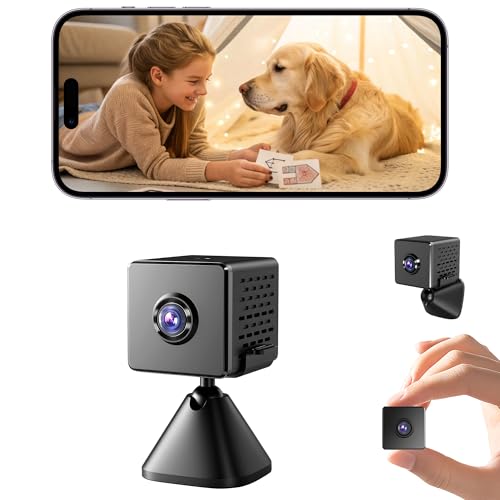
This plug-in camera operates with continuous power and records via a local memory (TF card), offering 24/7 monitoring with live view and motion alerts. It uses 2.4 GHz WiFi and Bluetooth-assisted setup to simplify initial connection. The device is designed for long-term use without the need for battery changes, which can be useful for fixed viewing in living areas or bedrooms. While it provides practical monitoring, caregivers should ensure discreet placement complies with privacy guidelines and family expectations.
CallToU Elderly Monitor With Camera
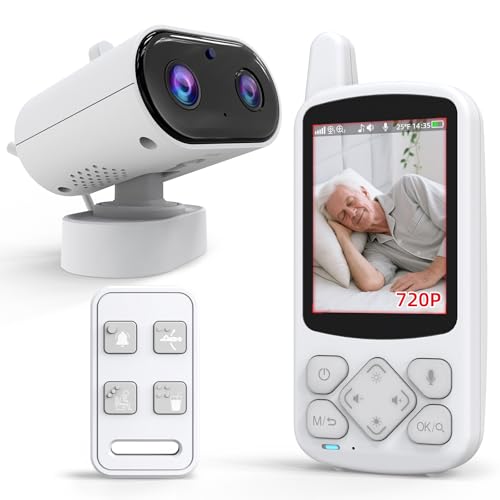
This model emphasizes no-WiFi operation via a secure 2.4 GHz FHSS signal, offering private, FCC-certified connections for elderly monitoring. The combination of a camera and monitor enables real-time two-way audio and video, supporting quick check-ins from caregivers. A built-in SOS button and daily alerts (medication reminders, hydration, movement prompts) add practical safety features without relying on internet access. This approach suits households prioritizing privacy and straightforward, offline monitoring.
Elderly Monitor With Camera And Audio (Zaguoroo)

Designed for continuous care, this system offers a 2.8″ portable screen, one-touch SOS, clear two-way talk, and medication reminders. It emphasizes a VOX mode to save power, while providing infrared night vision and a 1000 ft operating range. Its mobility and simple setup may suit caregivers who need a compact, independent monitoring solution for bedrooms and common areas, with emphasis on reminders and alerts for daily routines.
GBIUT Indoor Security Camera

GBIUT’s indoor camera covers the full home with 360° pan/tilt and AI motion detection, delivering real-time alerts when movement is detected. Two-way audio lets caregivers interact with a senior from a distance, and enhanced night vision supports visibility after dark. This option balances broad coverage with proactive alerts, making it suitable for family homes where caregivers need timely updates on seniors’ activities and safety.
Buying Guide: Key Purchase Considerations
- Connectivity: Choose between WiFi-based cameras for remote viewing versus offline systems that prioritize privacy. Consider whether your household has reliable WiFi or if a 2.4 GHz-only network will suffice.
- Video clarity and coverage: Look for 1080p or higher (2K/4K if possible) and cameras with wide angles or 360° coverage to minimize blind spots in common living areas.
- Two-way communication: Clear audio is crucial for quick check-ins and comforting conversations with an elder. Test microphone and speaker quality in real-world environments.
- Motion detection and alerts: Smart motion sensing reduces false positives. Ensure alerts are timely and can be forwarded via app, SMS, or VOIP systems if supported.
- Night vision: Infrared or low-light capabilities improve monitoring at night, increasing safety when caregivers aren’t present.
- Power and placement: Battery-powered devices offer flexibility but require charging; plug-in cameras provide reliability but limit placement options.
- Privacy and security: Favor systems with secure connections, encryption, and clear data handling policies, especially when cameras are installed in private spaces.
- Ease of use: For seniors and caregivers new to tech, prioritize intuitive interfaces, straightforward setup, and accessible control options like one-tap call or SOS.
- Cost and coverage: If buying multiple units, consider total cost of ownership, including data storage options (cloud or local), memory cards, and potential add-ons like larger screens or wall mounts.
- Regulatory and safety concerns: Ensure devices comply with local privacy laws and facility guidelines if used in nursing homes or assisted living environments.
Selecting the right camera system involves balancing ease of use, monitoring breadth, and privacy preferences. For families prioritizing offline operation, the Smart Caregiver and CallToU options provide solid privacy-first solutions. For those seeking comprehensive room coverage and smart motion features, the INFIYA, GALAYOU, and GBIUT cameras offer robust performance with wide viewing angles and clear two-way communication. Evaluate your living space, daily routines, and caregiver workflow to determine the best mix of devices and features.