Hiking with a camera requires a setup that keeps gear secure without slowing you down. This guide spotlights five top camera holsters and related harnesses designed for outdoor use, balancing quick access with hands-free stability. Each option fits different hiking styles—from minimalist day trips to longer treks with multiple lenses. Below, you’ll find a concise product summary table and in-depth sections that explain how each holster performs on rugged trails, in variable weather, and during fast-paced shooting moments.
| Product | Brand | Key Benefit |
|---|---|---|
| Cotton Slingbelt with Tether | Cotton | Secure, hands-free carry with quick unlock |
| Movo MB200 Universal Holster | Movo | Backpack-ready attachment for on-the-go shooting |
| USA Gear DSLR Sleeve | USA Gear | Neoprene protection with belt-loop attachment |
| Spider Pro DSLR Single Camera System | SPIDER HOLSTER | Three‑point security with rapid draw |
| Case Logic DCB-306 SLR Holster | Case Logic | Compact holster with pockets for extras |
Cotton Slingbelt With Tether

The Cotton Slingbelt is designed for hands-free camera carrying during hikes and travel. It features an adjustable hip belt and a secure locking mechanism, allowing you to strap in your camera and head out confidently. The system emphasizes quick deployment: twist and lock to secure the camera in place, then twist again to release. This setup also accommodates binoculars and additional gear, helping you maintain balance and comfort on uneven terrain. Pack weight is distributed toward the hips, which can reduce shoulder fatigue on long hikes.
What you get with the Slingbelt is a complete carrying system: the Slingbelt itself, a Sling Tether for distance control and easy grabbing, and mounting hardware to install securely on compatible gear. The tethered design keeps your camera within reach yet away from your body when walking through brush or scrambling over rocks. For hikers who want to keep a single camera ready for action, this option provides a smart balance of accessibility and stability without bulky bags.
In practice, the Slingbelt works well for photographers who favor a streamlined kit. It’s less about carrying a second body or heavy lenses and more about rapid access to your main camera while keeping your hands free for trekking poles, water bottles, or scrambling gear. The lightweight construction helps minimize shoulder strain while maintaining a snug, secure fit for varied torso sizes during outdoor use.
Movo MB200 Universal Holster
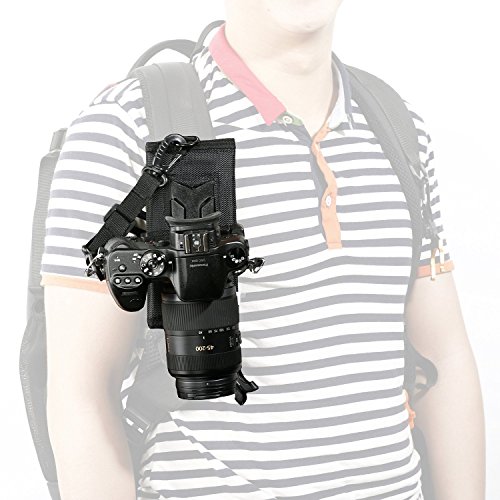
The Movo MB200 is a versatile holster system designed to attach to most backpacks. Its core feature is a secure locking mechanism that holds your camera in place while you hike, making it a practical choice for outdoor photography on the move. The attachment approach means you don’t have to carry a dedicated harness; instead, you can convert your existing backpack into a ready-to-use shooting setup. This flexibility is particularly useful on trails where weight balance and quick access matter most.
The MB200 supports photographers who need to stay light yet prepared. It fits a range of camera bodies and lenses, and its backpack integration allows you to maintain a low center of gravity. For hikers who frequently switch between walking and stopping to shoot, this system reduces the need to set down gear or fumble with straps. It’s also a suitable option for those who prefer not to invest in a full chest harness or belt system.
On rough terrain, the MB200’s stability helps prevent camera movement during bumpy sections. Users can rapidly swing the camera into shooting position without removing the pack, which is advantageous for wildlife or landscape moments that require rapid framing. The system’s adaptability makes it a practical choice for hikers who already own a sturdy backpack and want to augment it with a reliable camera carrier.
USA Gear DSLR Sleeve
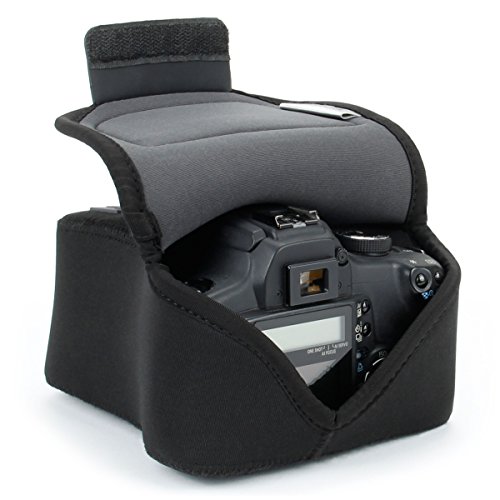
The USA Gear DSLR Sleeve is a form-fitting neoprene case intended to cushion a camera while it sits in a bag or on a belt loop. Its snug fit is designed to protect against bumps and scratches, and a matching camera strap (not included) helps keep the camera within easy reach. The sleeve conforms to standard DSLR body shapes and typical lenses, delivering a compact, secure pocket that won’t interfere with movement during hikes.
The security feature is a hook-and-loop attachment that keeps the sleeve attached to a belt loop, so the camera remains accessible yet secure during vigorous activity. It’s important to note that this sleeve is not designed to bear the full weight of the camera on its own; rather, it serves as a protective, low-profile carrier for light to moderate setups. For hikers who prefer a minimal footprint and quick access, this sleeve offers a simple, reliable solution.
For longer days on trail, pairing this sleeve with a light strap or harness can help distribute some weight away from the shoulders, reducing fatigue for photographers who shoot in bursts rather than with heavy telephoto gear. If you frequently switch between a backpack and a belt-worn system, the sleeve provides a straightforward transition option without bulky hardware.
Spider Pro DSLR Single Camera System

The Spider Pro DSLR Single Camera System is a belt-based holster designed for professional use and rugged environments. Its belt includes a built-in self-locking camera holster, providing a secure home for a single DSLR with fast-draw capability. The three-point buckle system adds redundancy and security, reducing the risk of accidental releases while you’re hiking on uneven terrain.
Think of this holster as a robust, field-ready option for photographers who need dependable access to their camera with one hand. The quick-draw feature is particularly valuable for landscapes, wildlife, or trail photography where moments can disappear quickly. The system is designed to distribute weight along the waist, helping to keep the torso balanced during long treks. While it’s more specialized than basic sleeves, its reliability can be worth the extra setup for serious hikers and photographers.
In use on trails, the Spider Pro holster offers a secure, repeatable method to access gear without removing your pack. It’s compatible with major DSLR brands and provides a tangible sense of security when navigating exposed or slippery sections. If your camera needs to stay anchored during rough descents or rapid movement, this setup delivers strong performance with minimal fuss.
Case Logic DCB-306 SLR Holster
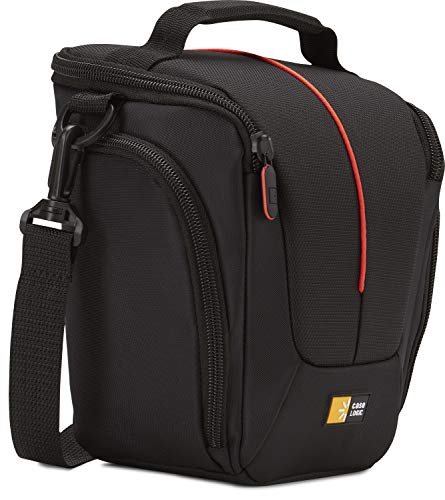
The Case Logic DCB-306 SLR Holster is designed to fit a typical SLR body with a standard zoom lens attached. It includes a small internal zippered pocket suitable for memory cards, filters, or lens cloth, and side zippered pockets that can accommodate extra batteries, cables, lens caps, or other small accessories. This holster offers a compact, weather-sensible option for hikers who want protective padding without a larger carrier system.
Durability and practicality are central to its design. The sleeve-style holster keeps the camera snug and accessible, making it a good fit for hikers who prefer a low-profile carrier that still provides protective padding. The integrated mounting approach also makes it relatively quick to remove and reattach the camera when you pause for a landscape or macro shot. For trails where space is at a premium, this Case Logic option provides dependable protection in a compact form.
Note that while the DCB-306 emphasizes convenience and protection, it is best suited for standard DSLRs and zoom lenses. Heavier gear or non-standard configurations may require a bulkier system. Overall, it represents a balanced choice for hikers who want a simple, protective holster with practical pockets for essential accessories.
Buying Guide
Choosing the right camera holster for hiking involves balancing accessibility, comfort, and protection. Here are key purchase considerations to help you compare options and pick what fits your trail routine.
- Intended use and hiking style — Minor day hikes often benefit from lightweight sling or sleeve options, while longer treks with telephoto lenses may justify a belt or backpack-attached system.
- Camera and lens compatibility — Consider the largest body and lens you plan to carry. Some holsters are better suited for DSLRs, while others handle mirrorless bodies or mid-sized zooms more easily.
- Access speed vs. security — If you frequently need fast shots, prioritize quick-draw mechanisms or lockable systems. For delicate landscapes or wildlife, a secure holster reduces shake and accidental drops.
- Attachment method and gear compatibility — Hip belts, backpack adapters, and belt loops all influence weight distribution and stability. Ensure the system works with your current pack or gear you own.
- Weight distribution and comfort — A well-balanced setup minimizes fatigue. Look for breathable materials, ergonomic designs, and even weight transfer across hips or torso.
- Weather and durability — Hiking environments vary; choose materials with durable shells or neoprene padding and water resistance, especially for misty mornings or sudden rain.
- Protection for gear — Neoprene sleeves and padded holsters help absorb impact and protect lenses. If you carry fragile glass, prioritize additional padding or dedicated lens protection.
- Maintenance and versatility — Some systems double as general purpose carriers or work with other bags. Consider whether you want a single-purpose holster or a versatile setup you can reuse across activities.
- Budget and warranty — Higher-end holsters offer rugged builds and long warranties. Weigh the cost against how often you hike and how much protection you need.
Summary advice: for tours with varied terrain and heavier lenses, a backpack-attached or belt-driven system tends to offer the best balance of access, security, and weight distribution. For lightweight day hikes, compact sleeves or sling belts provide sufficient protection without adding bulk. Always test fit before long trips, ensuring you can reach your camera comfortably while maintaining stability on descents or rough surfaces.