Dust, fibers, and static can degrade image quality and shorten sensor life if not managed carefully. A camera lens air blower provides a gentle, residue-free way to dislodge dust from lenses, sensors, and other delicate optics. The models below combine soft-tipped nozzles, one-way air intake, and, in some cases, HEPA filtration or anti-static features to minimize cross-contamination. This overview highlights five highly relevant options, explains how they work, and helps you compare airflow, materials, and usability across different cleaning scenarios—from everyday maintenance to precision sensor work.
| Product | Brand | Key Feature |
|---|---|---|
| FocusFoto PRO Rocket Air Blower | FocusFoto | Rocket design with anti-backflow valve; detachable nozzle; tripod base |
| JJC Soft Tip Silicone Blower | JJC | Soft silicone bag; long nozzle; multipurpose cleaning |
| K&F Concept Soft Tip Blower | K&F Concept | Bidirectional valve; long nozzle; large air flow |
| VSGO Camera Air Blower With Filter | VSGO | Award-winning design; one-way inlet; versatile cleaning |
| Orbit HEPA Blower | Photographic Solutions | HEPA filter; ionizing silicone bulb; airtight one-way valves |
FocusFoto Rocket Air Blower For Cameras

The FocusFoto PRO 6.6 Inch Rocket Air Blower blends a distinctive rocket-shaped profile with practical cleaning performance. The design emphasizes a gentle approach to removing dust and smudges from delicate gear, including DSLR lenses and camera sensors, without leaving residue. Its air inlet valve helps prevent backflow, reducing the risk that blown dust returns to cleaned surfaces. The detachable “supreme” air stream nozzle provides focused bursts for stubborn particles, while the tripod-style base lets it stand upright for quick, hands-free use between shoots. The blower’s materials are described as natural and non-toxic, aligning with safe handling during field cleaning.
Users benefit from a compact, stand-alone unit that travels well in camera bags. The nozzle’s detachment adds versatility for deep cleaning in tight spots, such as lens mounts, viewfinders, and sensor edges. While the rocket motif is visually striking, the emphasis remains on dust removal without introducing moisture or scratching surfaces. For professionals and hobbyists alike, the FocusFoto model offers a solid balance of design, ease of use, and safe performance across common camera maintenance tasks.
JJC Soft Tip Silicone Blower
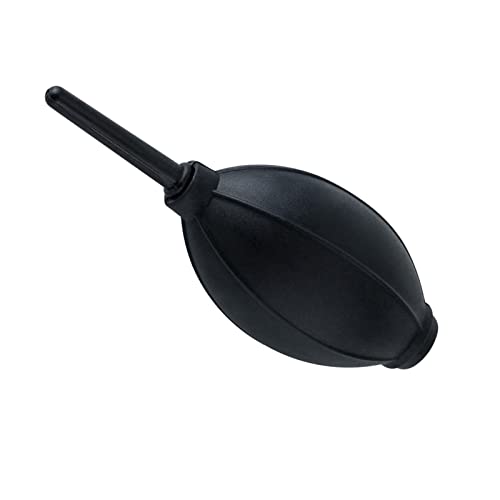
The JJC Soft Tip Silicone Blower emphasizes a soft, comfortable grip with a flexible silicone air bag. It is designed for multipurpose use, including LCD displays, camera sensors, lenses, binoculars, microscopes, and even keyboards. The long blowing nozzle helps reach deeper parts where dust tends to accumulate, while the silicone material provides a gentler touch to reduce the risk of scratches on coatings or filters. The model offers reliable airflow and a soft tip that minimizes contact with delicate surfaces in comparison to harder plastic variants. It is well suited to quick, on-the-go dust removal during fieldwork or studio setup.
In practice, this blower combines softness with practicality. The large air output helps clear debris efficiently, and the soft tip reduces the likelihood of accidental damage during sensitive cleaning tasks. While it excels at routine dust removal, it should be used with care on coated lenses or sensors—avoiding excessive pressure on vulnerable seams or fragile filter elements. The included microfiber cloths help in polishing off minor smudges after blowing away loose dust.
K&F Concept Soft Tip Blower

The K&F Concept Soft Tip Blower emphasizes precise airflow with a long nozzle designed to reach deeper areas such as DSLR sensor housings and battery compartments. Its bidirectional control air valve helps minimize dust suction and reduces secondary contamination, preserving a clean internal environment during cleaning. The long nozzle design makes it easier to target hard-to-reach corners without manipulating larger body parts, while the overall construction aims to maintain a strong, steady air stream with minimal backflow. The blower is positioned as a practical tool for regular sensor and lens maintenance in studio or field settings.
With a focus on keeping gear free of dust while protecting coatings, the K&F Concept model is well suited for users who frequently service camera bodies and lenses. The device integrates into a broader cleaning routine that may include lens pens and microfiber cloths for a complete kit. It provides a reliable option for ensuring that dust does not accumulate on critical image areas during shoots or storage.
VSGO Camera Air Blower With Filter

The VSGO Camera Air Blower With Filter is noted for its award-winning status and a technology-focused approach to dust removal. It features a one-way inlet channel crafted to minimize contamination of cleaned surfaces and to help reduce the chance of redistributing dust during use. The design supports broad applicability beyond cameras, including keyboards, figures, and other small electronics. This blower emphasizes clean air delivery and a controlled path for moving particles away from sensitive optics, offering a robust option for users who require dependable performance across several cleaning tasks in both professional studios and home setups.
In practice, the VSGO model balances reliability with versatility. It is suitable for photographers who need a device that can handle repeated use without introducing new contaminants. While designed with camera care in mind, its applicability to other equipment makes it attractive for general-purpose dust management. Users should still follow best practices—complementing air blowing with careful dusting and periodic sensor cleaning—to maintain optimal imaging quality and device longevity.
Orbit HEPA Blower For Cameras

The Orbit Blower with HEPA Filter is designed as a precision tool for sensor and lens maintenance. It positions the HEPA filtration as a critical step in dust removal, helping to ensure that particulates moved during cleaning are captured rather than redistributed. This model is widely used in film and photography settings for DSLR and mirrorless sensors and lenses, as well as other sensitive optics such as scanners and telescopes. A NIOSH-rated filter and an ionizing silicone bulb help neutralize static charges, which can attract and hold dust on surfaces after cleaning.
Practically, the Orbit blower emphasizes a controlled, dust-free airflow with airtight one-way valves. The combination of static control and filtration makes it a solid choice for professionals seeking consistent results in environments with dry air or static-prone equipment. While it may be slightly more complex than basic blowers, its filters and design support higher-precision work and longer-term maintenance routines for cameras and other delicate gear.
JJC Soft-Tip Silicone Blower With Nozzle

The JJC Soft-Tipped Nozzle Blower is built around a soft silicone body and a protective nozzle. It emphasizes a gentle touch to reduce the risk of surface scratches while delivering a reliable blast of air to dislodge dust from camera bodies, lenses, filters, and other sensitive surfaces. The one-way airflow ensures that incoming air stays clean and does not cycle dust back toward cleaned areas. The design also includes a lanyard for convenient carry during shoots, making it a practical tool for field cleaning in varying lighting and weather conditions.
In use, this blower is well suited for quick field maintenance between shoots or during long editing sessions in a studio. Its softer tip minimizes the chance of accidental contact with delicate coatings. As with any air blower, it should be used in a controlled manner to avoid forcing debris into crevices or onto critical sensor surfaces. For photographers who prioritize portability and ease of use, this model provides a reliable option for routine dust management.
Buying Guide
Key purchase considerations help you select a camera lens air blower that fits your needs and workflow. Below are practical factors to compare across models, followed by a concise how-to guide for choosing the right tool.
- Airflow design and nozzle: Look for long or flexible nozzles that reach deep into lens barrels and sensor gaps. A soft-tipped nozzle minimizes the risk of scratching coatings, while a detachable nozzle can offer targeted cleaning for stubborn particles.
- Valve system: One-way or bidirectional valves help prevent backflow and cross-contamination. Valves that simplify air pathways support safer cleaning, especially when handling coated lenses and precision sensors.
- Materials and safety: Silicone-based blowers tend to be soft and skin-friendly, with better grip for handheld use. Non-toxic materials reduce potential residue on optics.
- Filtration and static control: Some models include HEPA filters or ionizing features to reduce static cling and capture particulates, which can be beneficial for sensor surfaces and fine optics.
- Versatility and durability: A blower that doubles as a multipurpose cleaning tool (for keyboards, filters, binoculars) can be valuable for photographers who service multiple devices. Durability is important for frequent field use.
- Maintenance and care: Choose models with detachable nozzles or easy-to-clean components. Follow manufacturer guidelines to avoid moisture or debris entering the device itself.
- Use cases and compatibility: Consider whether you mainly clean camera bodies and lenses, or also delicate devices like sensors, viewfinders, and filters. Ensure the tool suits your typical gear and environments.
When evaluating options, balance simplicity with features. A straightforward blower with a soft tip and one-way valve often suffices for routine dust removal, while professionals working with fragile coatings or static-sensitive surfaces may prefer models with HEPA filtration and anti-static properties. For most enthusiasts, a compact, easy-to-use option that can slip into a camera bag while providing reliable airflow is ideal. Always combine blowing with careful wiping and periodic sensor-specific cleaning as part of a comprehensive care routine.