Choosing a camera that captures a film-like vibe can harmonize classic aesthetics with modern convenience. This guide highlights five options that best fit the look and feel of vintage film cameras while offering varied approaches—film-based half-frame options and retro-style digital cameras. Ideal buyers include film enthusiasts seeking higher shot counts per roll, hobbyists wanting nostalgic textures, and travelers desiring compact, portable gear. Below is a quick comparison to help you decide which model suits your style and needs.
| Product | Format / Style | Best For | Notes |
|---|---|---|---|
| KODAK EKTAR H35 Sage | Half-Frame Film Camera | Analog hobbyists who want double the exposures per roll | Lightweight, built-in flash; simple operation |
| KODAK EKTAR H35 Brown | Half-Frame Film Camera | Travelers who crave a pocket-size film look | Film-saving with large exposure count; easy to carry |
| Lensy Checker Pattern | Screen-Free Digital Camera | Casual photographers seeking retro style and simplicity | Four built-in filters; lightweight and portable |
| Lensy Gray | Screen-Free Digital Camera | Travelers and kids wanting a nostalgic feel | Four built-in filters; easy toggle; under half a pound |
| KODAK Snapic A1 | 35mm Film Camera (Mini, 1.6 MP) | Beginners exploring film-style shooting | 2-zone focus and auto flash; compact |
KODAK EKTAR H35 Half Frame Film Camera, Sage

The Kodak Ektar H35 creates a true half-frame film experience. Best for analog enthusiasts who want to maximize their roll count, this model yields approximately 72 exposures from a 36-exposure roll. It is lightweight and pocket-friendly, making it ideal for daily carry. The built-in flash extends usability for indoor and low-light settings. Limitations include the need for separate film and battery availability (batteries not included).
KODAK EKTAR H35 Half Frame Film Camera, Brown
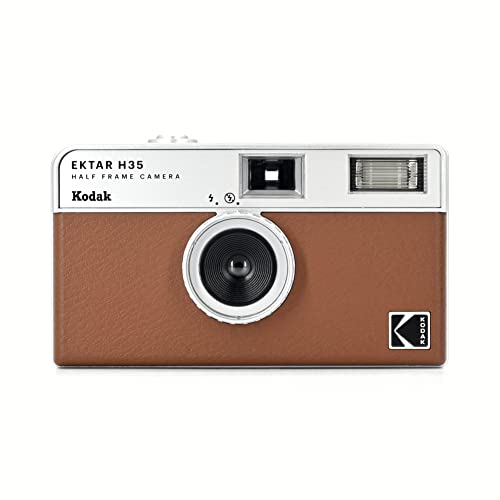
This brown variant shares the same film-saving benefits and pocket-size form as the sage model. It is best for film purists who want a discreet camera with a classic look. The built-in flash supports night or indoor use, while its simple operation makes it suitable for beginners. A limitation is reliance on 35mm film and non-included batteries.
KODAK Snapic A1 35mm Film Camera

The Snapic A1 is a compact 35mm film option with 2-zone focus and built-in auto flash. It is best for beginners and teens who want a simple, hands-on film experience without complexity. It offers a retro camera feel with modern conveniences. Limitation: 1.6MP output and basic features may limit advanced users seeking higher resolution.
Lensy Checker Pattern Digital Camera

The Lensy with checker pattern offers a retro disposable-camera aesthetic in a digital format. It includes four built-in filters (Classic, Retro, Analog, Black & White) and a lightweight design. Best for travel and social moments where a nostalgic look is desired without the bulk of traditional cameras. Limitation: Screen-free design means you cannot review images on the device immediately.
Lensy Gray Screen-Free Digital Camera

This gray Lensy model mirrors the retro feel with four built-in filters and a compact build. It is best for quick, everyday use and for those who want a simple point-and-shoot with a vintage vibe. A potential caveat is limited advanced controls for users seeking professional features.
Digital Camera, FHD 1080P (CAMKORY)
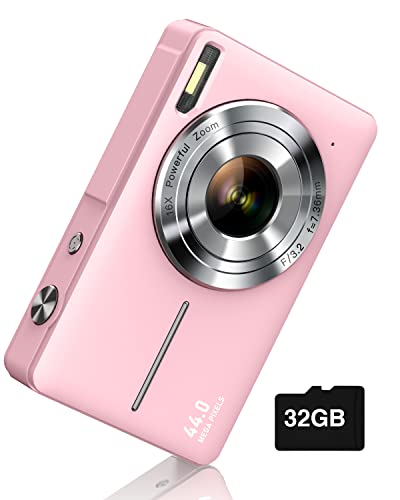
CAMKORY’s digital point-and-shoot delivers FHD 1080p video and 44MP photos with automatic color accuracy. It is best for families and kids who want an easy, battery-efficient device with straightforward menus. The device includes a 32GB card and long battery life, but lacks the tactile, retro-film aesthetic of other options in this guide.
Buying Guide: How To Pick Your Film-Look Camera
- What format matters most? Choose film-based half-frame for authentic vintage exposure counts or digital retro for instant previews and filter versatility.
- How portable should it be? If you travel a lot, pocket-sized options like the EKTAR H35 or small Lensy models reduce bulk.
- How important is lighting? Built-in flash helps in mixed lighting, but plan for external lighting if you frequently shoot indoors or at dusk.
- What about post-processing? Film outputs require scanning or developing, while digital options provide immediate sharing and editing.
- Budget and maintenance: Film cameras may require ongoing film costs; digital options typically have fewer ongoing consumables but may require storage space for files.
FAQ
- What is a half-frame camera? It captures two images per standard 35mm frame, doubling the number of exposures per roll.
- Are film-look cameras easy for beginners? Yes, many models feature simple controls, built-in flash, and straightforward operation.
- Do digital retro cameras imitate film grain? Many offer filters that simulate grain and color palettes typical of film stocks.
- Is a built-in flash necessary? Not always, but it broadens usability for indoor or night shots without extra gear.
- Can these cameras connect to smartphones? Some digital models allow quick image transfer, while most film cameras require scanning to digitize photos.