For photographers and videographers seeking maximum image quality, full-frame sensors offer enhanced dynamic range, low-light performance, and shallower depth of field. This article highlights five standout cameras with full-frame sensors from Canon and Sony, drawing on their sensor sizes, processing power, autofocus capabilities, and video options to help you compare options for stills and motion. Each pick is evaluated on core criteria relevant to American creators, including image quality, speed, and usability for both photography and video workflows.
| Product | Brand | Key Strength |
|---|---|---|
| Canon EOS R6 Mark II (Body) | Canon | Fast AF and high-speed shooting |
| Canon EOS R8 | Canon | Lightweight full-frame with strong video |
| Sony a7 III | Sony | Balanced performance and versatility |
| Canon EOS 5D Mark IV | Canon | Classic full-frame DSLR with robust stills |
| Sony Alpha 7 II | Sony | In-body stabilization and full-frame 24.3MP |
Canon EOS R6 Mark II: Full-Frame Excellence

The Canon EOS R6 Mark II combines a 24.2 MP full-frame CMOS sensor with a DIGIC X image processor to deliver strong low-light performance and high-resolution stills. Its Dual Pixel CMOS AF and fast electronic shutter—up to 40 fps at 20 MP—enable sharp action shots in sports, wildlife, and events. The body emphasizes reliability, with robust autofocus coverage and efficient processing for both stills and video work. This option is ideal for hybrid shooters who need fast performance in a compact form factor.
Canon EOS R8: Lightweight Full-Frame Power
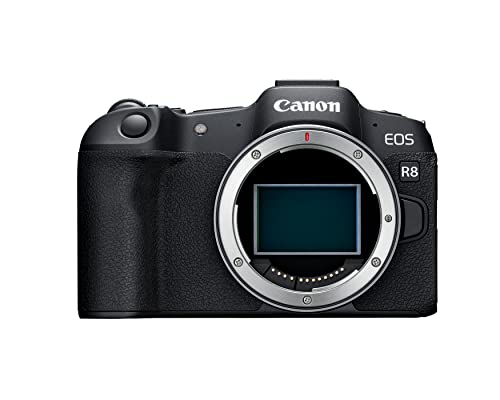
The Canon EOS R8 is Canon’s compact full-frame model featuring a 24.2 MP sensor paired with the DIGIC X processor. It sports an OLED EVF with fast refresh and a vari-angle touchscreen, making it friendly for vlogging and dynamic shooting angles. Dual Pixel CMOS AF II covers a broad area with automatic subject detection for people, animals, vehicles, and more. This camera suits creators who want a portable option without sacrificing full-frame image quality or advanced autofocus.
Sony a7 III: Versatile Full-Frame

The Sony Alpha 7 III offers a 24.2 MP BSI full-frame sensor with excellent dynamic range and 14-bit RAW options. It supports up to 10 fps with continuous AF and solid battery life, making it a dependable all-around camera for photography and videography. In-body image stabilization helps reduce camera shake, and compatibility with Sony E lenses broadens creative choices. This model remains a popular choice for enthusiasts seeking a feature-rich full-frame platform.
Canon EOS 5D Mark IV: DSLR Classic

The Canon EOS 5D Mark IV combines a 30.4 MP full-frame CMOS sensor with a capable DIGIC 6+ processor. It offers 4K motion and strong low-light performance, alongside a durable build and extensive lens ecosystem. While it predates mirrorless releases, the 5D Mark IV remains a trusted option for photographers prioritizing image quality and a familiar DSLR handling experience, especially in studio or landscape work.
Sony Alpha 7 II: Stabilized Full-Frame
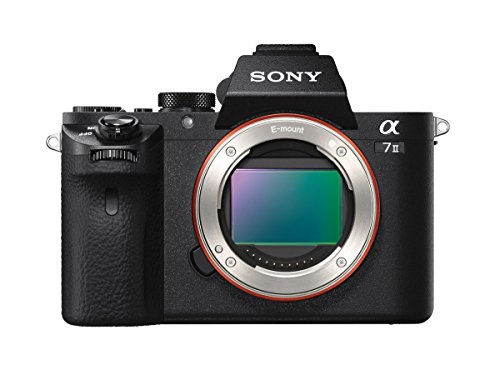
The Sony Alpha 7 II brings the world’s first 5-axis in-body image stabilization to a full-frame body, helping reduce camera shake across lenses. It offers a 24.3 MP sensor, improved stabilization, and compatibility with Sony E-mount lenses. The combination of stabilization, image quality, and a mature feature set makes it a practical option for photographers who value steadier shots in a compact, budget-conscious package.
Buying Guide
- Sensor size and resolution: Full-frame sensors deliver better low-light performance and dynamic range. Consider whether you need 24–30 MP for your typical subjects and output sizes.
- Autofocus and subject detection: Modern mirrorless bodies emphasize Dual Pixel CMOS AF II or equivalent with subject detection (people, animals, vehicles). This is crucial for action, wildlife, and event photography.
- Video capabilities: If you shoot video, assess 4K/60p or higher, color profiles (Log), and ease of workflow. Some bodies offer superior autofocus in video mode as well.
- Stabilization: In-body image stabilization (IBIS) helps with handheld shooting, especially in low light or with longer focal lengths. Check CIPA-rated stabilization effectiveness.
- Ergonomics and weight: Balance between performance and portability matters. Lighter bodies are better for travel and run-and-gun shooting, but may trade off some ruggedness or grip.
- Lenses and ecosystem: Accessibility of native lenses and compatibility with existing glass affects long-term value. RF and E-mount ecosystems provide wide options.
- Durability and weather sealing: For outdoor photography, weather resistance and build quality impact reliability in challenging environments.
- Battery life and accessories: Battery life, charging options, and compatible accessories (bags, cards, hoses) influence shooting sessions and maintenance.
- Future-proofing: Consider how firmware updates and new autofocus enhancements might extend the camera’s relevance for years to come.
Across the selected models, high-resolution full-frame sensors deliver crisp images with rich color depth, while advanced autofocus and video features support hybrid workflows for stills and video creation. The Canon options tend to emphasize fast AF and robust color science, while Sony models highlight stabilization and broad lens ecosystems. Your best choice depends on preferred handling, lens availability, and whether you prioritize speed, video, or traditional still photography performance.