Exploring affordable full-frame cameras helps you capture cinema-like depth, better low-light performance, and sharper details without breaking the bank. The following selections balance cost with features such as high-resolution sensors, robust autofocus, and solid video capabilities. Use this guide to compare five solid options and find the best value for your needs.
Summary of chosen products
| Product | Brand | Highlights |
|---|---|---|
| Sony Alpha 7 IV Kit | Sony | 33MP sensor, BIONZ XR, 4K 60p 10-bit |
| Canon EOS RP + RF 24-105mm | Canon | Compact full-frame, versatile zoom, 5-stop IS |
| Sony a7 III with 28-70mm | Sony | 24.2MP BSI sensor, fast AF, 10fps |
| Nikon Z 5 | Nikon | Compact full-frame, 4K/30p, strong colors |
| Canon EOS 5D Mark III | Canon | Classic full-frame, 61-point AF, solid stills |
Sony Alpha 7 IV Full-Frame Kit

The Sony Alpha 7 IV offers a 33MP full-frame Exmor R sensor and the latest BIONZ XR processing for clean images with rich color. It supports 4K video at 60p with 10-bit 4:2:2 and full-pixel readout for high-quality footage. This model is ideal for users who want strong stills plus versatile video capabilities in a single body.
Key aspects include high-resolution stills, fast autofocus, and a robust video pipeline. The 4K 60p option expands creative options, while the full-frame sensor helps with shallow depth of field and low-light performance. Depending on your needs, this kit can serve enthusiasts and advancing professionals alike.
Canon EOS RP With RF 24-105mm Kit

The Canon EOS RP is a compact, lightweight entry into full-frame imaging, bundled with a versatile RF 24-105mm lens. It features up to 5 stops of optical image stabilization and a flexible zoom range suitable for travel, street, and portrait work. The camera aims to balance portability with image quality for photographers on the go.
With the RP, Canon emphasizes ease of use and reliable autofocus, making it a practical choice for enthusiasts stepping up from APS-C or compact mirrorless systems. The RF mount unlocks a growing ecosystem of lenses for varied shooting scenarios.
Sony a7 III with 28-70mm Lens

The Sony a7 III packs a 24.2MP BSI full-frame sensor with excellent dynamic range and 15-stop latitude, delivering strong color and detail in a wide range of lighting. It supports up to 10fps with continuous AF/AE tracking and offers a robust 14-bit RAW workflow. This model remains a staple for budget-conscious buyers seeking solid performance.
Its AF system, battery life, and overall handling make it a popular choice for both photographers and videographers who want dependable results without a premium price tag.
Nikon Z 5 Compact Full-Frame

The Nikon Z 5 is a compact full-frame mirrorless option designed for travel and street photography, with 24.3MP resolution and solid color rendition. It records 4K/30p and 1080/60p video, and provides reliable autofocus and USB power delivery for extended shoots. The Z-mount ecosystem offers a growing lineup of lenses suitable for different genres.
Design prioritizes portability, while its image quality and video features make it a good fit for hobbyists and those upgrading from cropped-sensor cameras.
Canon EOS 5D Mark III (Body)
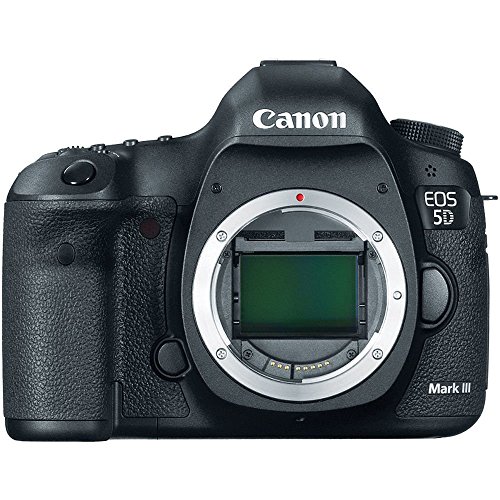
The Canon EOS 5D Mark III remains a benchmark for full-frame stills with a 22.3MP sensor and a 61-point AF system. It supports JPEG and RAW (14-bit) with an emphasis on robust performance in RAW workflows and reliable color reproduction. The camera is favored by those who value a proven platform with a broad library of lenses and accessories.
Buying Guide: Key Considerations for Budget Full-Frame Cameras
- Sensor resolution and image quality: Higher megapixels offer more detail, but can increase file sizes and demand faster storage. Consider your output needs—prints, web, or video—and how much cropping you plan.
- Autofocus performance: Look for reliable phase-detection or contrast-detection systems, especially for action or wildlife photography. Consider whether the camera supports real-time tracking and eye AF across subjects.
- Video features: If video is important, prioritize 4K/60p or higher, 10-bit color depth, and full pixel readout. Some cameras also offer log profiles and slow-motion options for creativity.
- Lens ecosystem: A broad lens lineup and native lens quality are essential. Check the availability of affordable primes and zooms that suit your shooting style.
- In-body image stabilization (IBIS): IBIS helps with handheld shooting, particularly in low light. If your kit lacks optical stabilization, IBIS can be a major value.
- Portability and ergonomics: Weight, grip comfort, and control layout affect long sessions. If you travel or shoot for extended periods, a compact body can be beneficial.
- Battery life and media: Look for efficient batteries and support for high-speed memory cards. Long battery life reduces downtime during shoots.
- Future-proofing: Consider how easily you can upgrade lenses and firmware. A camera with strong ongoing support from the brand can extend your investment.
- Resale value and ecosystem: Popular brands often retain value and provide access to a broad accessory ecosystem, aiding long-term cost efficiency.
In evaluating budget full-frame cameras, balance sensor quality, autofocus reliability, video capabilities, and lens availability. Each option here provides robust performance for stills and video at a more accessible price point, helping you achieve professional-level results without overspending.