The following selection highlights five digital rangefinder–style cameras that pair classic aesthetics with modern imaging tech. Each option offers distinctive controls, glass you can swap or refine, and a workflow that suits street, travel, and documentary photography. Use the buying guide to compare sensor performance, lens ecosystems, and accessibility to features across brands.
| Product | Brand | Notable Feature |
|---|---|---|
| FUJIFILM X-E5 Mirrorless Digital Camera XF23mmF2.8 Lens Kit – Black | Fujifilm | Analog-inspired controls, interchangeable lenses |
| Fujifilm X100VI Digital Camera – Silver | Fujifilm | High-resolution sensor, advanced stabilization options |
| Fujifilm X100F 24.3 MP APS-C Digital Camera-Black | Fujifilm | Classic rangefinder styling with modern AF |
| Leica M11 Monochrom Digital Rangefinder Camera, Black | Leica | Monochrome-only sensor for tonal range |
| Leica M11 Digital Rangefinder Camera (Silver) | Leica | Triple Resolution Technology across full-frame sensor |
The five models below are presented in a consistent format to help you compare form, function, and fit for a rangefinder workflow. Each section includes a clickable link to Amazon, an image, and a concise feature overview drawn from the product listings.
FUJIFILM X-E5 Mirrorless Digital Camera Kit
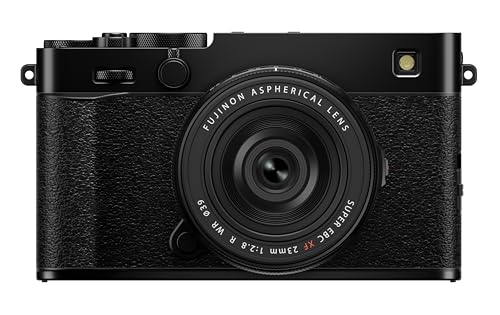
The X-E5 blends the look of a classic rangefinder with modern interchangeable-lens flexibility. It borrows design cues from Fujifilm’s X100 family, including analog-style controls and a film-inspired experience, while supporting over 40 X Mount lenses and accessories. The kit typically ships with the XF23mmF2.8 lens, offering a compact, versatile setup for street shooting, travel, and documentary work. The aluminum top plate, tactile dials, and customizable Film Simulation options aim to deliver in-camera tonal control and immediate creative recipes for field use.
Fujifilm X100VI Digital Camera – Silver

The X100VI continues the lineage of fixed-lens rangefinder-style cameras with a high-resolution sensor and refined handling. Its compact body is designed for quick, discrete shooting with a premium control layout that favors one-hand operation. When paired with Fuji’s film simulations or advanced stabilization, it supports versatile street and travel shooting while maintaining the tactile feel that fans of rangefinder cameras appreciate.
Fujifilm X100F 24.3 MP APS-C Digital Camera-Black

The X100F brings together a 24.3 MP X-Trans III sensor with robust autofocus and a familiar fixed-lens design that offers a compact, all-in-one solution. A built-in ISO dial and an extended focusing system provide strong field performance for candid street work and travel photography. Its classic rangefinder stance remains a favorite for photographers who value a tactile, deliberate shooting experience without changing lenses.
Leica M11 Monochrom Digital Rangefinder Camera, Black
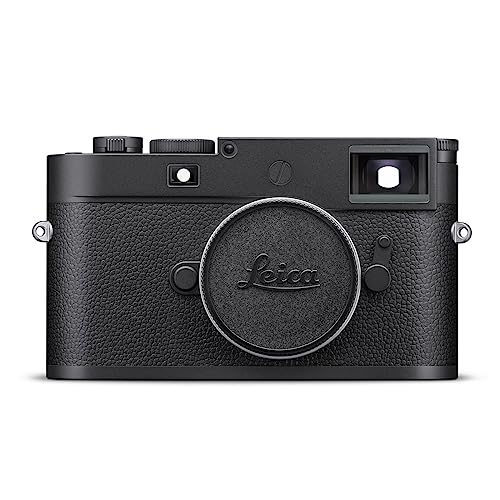
The Leica M11 Monochrom emphasizes tonal depth with a sensor configured specifically for monochrome capture. Removing the color filter array enables enhanced luminance data and refined sharpness, with ISO flexibility from 125 to 200,000. A Maestro III processor drives swift performance, while the fixed rangefinder-style body and minimalist controls appeal to photographers who prioritize pure tonal expression and a disciplined shooting workflow.
Leica M11 Digital Rangefinder Camera (Silver)

The silver variant of the M11 offers the same full-frame capabilities and Triple Resolution Technology, allowing photographers to switch between 60 MP, 36 MP, or 18 MP outputs while using the entire sensor. A refined control layout and a high-resolution touchscreen support intuitive handling, making it suitable for those who value precision, color-accurate rendering, and a premium user experience in a traditional rangefinder format.
Buying Guide: Key Purchase Considerations
- Sensor and image quality: Look for sensors that deliver clean high-ISO performance and RAW flexibility. Leica’s monochrome option emphasizes tonal depth, while Fujifilm’s X-Trans sensors provide rich color rendition and film-like simulations.
- Lens ecosystem and flexibility: Some models offer interchangeable lenses, expanding creative options. If you prefer a fixed-lens compact experience, Fujifilm’s X100 series remains a strong choice.
- Rangefinder ergonomics: Classic rangefinder styling prioritizes tactile control and a compact footprint. Consider whether you want dedicated ISO and exposure controls on the top plate or prefer a more modern digital layout with quick-menu access.
- Film simulations and color science: Fujifilm cameras include distinctive film simulations that emulate classic looks. Leica’s sensors and processing emphasize tonal graduation and subtle micro-contrast—worth testing with your preferred subject matter.
- Motion and stabilization: Some bodies offer internal image stabilization or synergy with stabilized lenses. For street or documentary work, stabilization can influence your ability to shoot handheld in varied light.
- Processing pipeline and workflow: Consider how the camera handles RAW processing, file formats, and export compatibility with your editing software. Leica’s RAW files and Fuji’s proprietary formats can impact post-processing choices.
- Durability and build quality: Metal bodies with precise machining are hallmarks of rangefinder-inspired cameras. Aluminum tops and rugged chassis improve reliability in outdoor shooting conditions.
In short, the best choice depends on how you balance classic rangefinder ergonomics with modern flexibility—whether you crave interchangeable lenses and film simulations (Fujifilm) or the tonal finesse and minimalist interface of Leica (Monochrom and M11 variants). For those prioritizing compact form and quick street shooting, the fixed-lens X100F or the X100VI offer a ready-to-shoot experience with strong optics and accessible controls. For monochrome lovers or those seeking ultimate tonal control, Leica’s monochrome and full-color M11 variants provide distinct advantages in image texture and processing.