For buyers seeking drones with reliable 4K or high-quality camera capabilities, these five models offer strong image stabilization, good wind resistance, and practical features for beginners to hobbyists. The best picks vary by user needs: ultra-light, FAA-friendly mini drones for casual use; pocket-friendly options for travel; and GPS-enabled drones for easier, safer flights. Below is a quick decision table to compare the top five picks and help you choose quickly based on your priorities.
| Product | Best For | Notable Benefit |
|---|---|---|
| DJI Mini 4K | Travelers & Beginners | Under 249 g and 4K Ultra HD video |
| DJI Mini 4K Camera Drone Combo | Extended Flight Time | Two batteries for longer sessions |
| Holy Stone HS175D | All-Around Fun Fliers | GPS features, up to 46 minutes |
| CHUBORY GPS Drone with EIS 4K | Beginner to Intermediate | 4.5″ HD screen on controller and long range |
| PUNIEAYI GPS Drone with 4K Camera | Stable GPS Follow | 60 minutes total flight time with two batteries |
DJI Mini 4K, Ultra-Portable 4K Drone

The DJI Mini 4K offers a compact 4K Ultra HD camera with a 3-axis gimbal for stabilized footage. It weighs under 249 g, which means no FAA registration for recreational use in the U.S. This model suits first-time flyers and travelers who want cinematic footage without bulk. The drone withstands moderate winds up to Level 5 and uses brushless motors for stable takeoffs at higher altitudes. A potential limitation is that it stores fewer advanced flight modes than larger models, which can matter for more complex shots.
DJI Mini 4K Camera Drone Combo

This combo adds a second battery, effectively boosting overall flight time for longer shoots. It shares the Mini 4K’s 4K Ultra HD video and 3-axis gimbal stabilization, making it ideal for content creators who need more airtime on adventures or events. Choose this if you expect longer sessions away from charging outlets. A minor caveat is the added weight from the second battery which can marginally affect portability.
DJI Neo, Palm-Launch 4K Pocket Drone

DJI Neo is a lightweight, palm-throwable drone that activates with a simple hand gesture. Its 4K HDR-capable camera and subject-tracking features make it attractive for quick, on-the-go filming. It’s best for travelers who want a discreet, fast setup and for casual shooters who prefer a hands-off approach. The tiny form factor can limit advanced control options, and it relies on the DJI Fly app for enhanced features, which might require setup on a compatible device.
Holy Stone HS175D GPS Drone with 4K Camera

Holy Stone HS175D combines GPS-based safety features with a quality 4K camera and a long flight time, up to 46 minutes. It supports follow-me and circle-fly features, which help capture dynamic footage of scenes or people. It’s well-suited for beginners and families who want reliable returns and stable footage. A limitation to consider is that some users may find the app experience less streamlined than top-tier brands, depending on device compatibility.
CHUBORY GPS Drone With EIS 4K
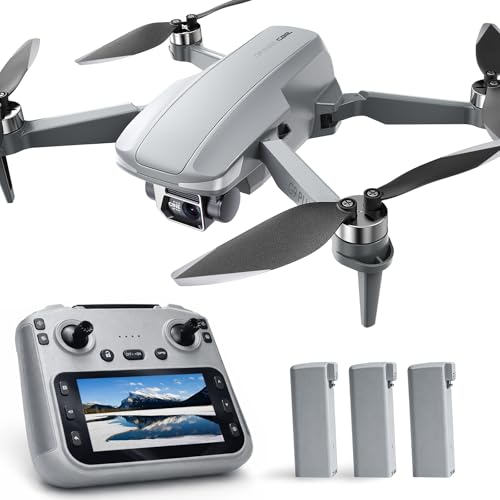
CHUBORY’s model includes an integrated 4.5-inch controller screen and 4K EIS footage with GPS auto-return. With a long-range transmission and a beginner-friendly foldable design, it suits users who want immediate FPV without a separate smartphone. The device is best for users who value built-in FPV screens, but the larger controller may feel bulkier for ultra-light travelers.
Punieayi GPS Drone With 4K Camera

Punieayi offers a 4K camera with 60-minute flight time and GPS follow features. It’s well-suited for beginners who want stable autopilot modes and extended airtime for capturing landscapes or events. A practical limitation could be the availability of advanced flight modes compared to premium brands, which may affect creative options for experienced pilots.
Buying Guide
- What should you consider before buying a high-quality camera drone? Weight and ease-of-use matter, especially for beginners. Under-249 g models avoid certain registrations but still deliver solid 4K footage.
- How important is flight time? Most mini drones offer 20–40 minutes, while some bundles or dual-battery kits extend this to 60+ minutes. Choose based on how long you plan to shoot in one session.
- Which camera features are worth prioritizing? Look for 4K resolution with a stabilized gimbal, and consider whether EIS or 3-axis stabilization better suits your shoots in low light or windy conditions.
- Is GPS assistive flight important? GPS with auto return, Follow Me, and Circle Fly help beginners fly safely and craft dynamic footage without complex manual controls.
- What about transmission range and FPV? A longer range and stable FPV feed prevent re-acquiring signals and improve composition during moving shots.
- Portability vs. features: Ultra-light models maximize travel ease, while slightly larger options may offer better batteries, screens on controller, and more robust stabilization.
FAQ
- Do all listed drones require FAA registration? Most micro drones under 249 g do not require registration for recreational use, but always verify current regulations before flying.
- Which drone is best for travel? Models under 249 g with compact design and reliable 4K cameras are ideal for travelers.
- What is the advantage of an onboard controller screen? A built-in screen provides FPV without a smartphone, reducing setup complexity for beginners.
- What is 3-axis gimbal stabilization? It smooths pitch, roll, and yaw for steadier footage during movement or wind.
- What should you avoid when shopping for a 4K camera drone? Avoid models with questionable firmware support or limited safety features if you plan outdoor use near crowds.
- Are two batteries worth it? Yes for longer shoots, especially when you want to capture scenes without frequent stops for charging.