When choosing an outdoor security camera for harsh winter conditions, look for devices that withstand low temperatures, offer reliable wireless or cellular connectivity, long battery life, and clear daytime and nighttime imaging. This guide highlights five top options designed to perform in extreme cold, with details on weather resistance, power options, and smart features to help you monitor your property year-round.
| Product | Brand | Key Feature |
|---|---|---|
| LITYMOL 2K 360° View Solar Security Camera | LITYMOL | 2K HD, color night vision, solar-powered, IP65, -20°C to 50°C |
| HXVIEW 4K PTZ Security Camera Outdoor | HXVIEW | 4K, 30x optical zoom, auto tracking, 1,000 ft night vision |
| Popugrut 4K Solar Security Cameras Wireless Outdoor | Popugrut | 2-in-1 solar with dual lenses, 4K, color night vision |
| CowWolf 4G LTE Solar Security Camera Outdoor | CowWolf | 4G LTE, no WiFi needed, dual lens 360°, color night vision |
| ZOSI 4 x 2MP Outdoor/Indoor Security Camera | ZOSI | 1080p, IP66, 100 ft night vision, bundled multi-camera |
The following five options balance cold-weather resilience, battery or solar power, and reliable imaging in challenging environments. Each entry includes a concise overview of features and what makes it suitable for extreme cold conditions.
LITYMOL 2K 360° Solar Security Camera
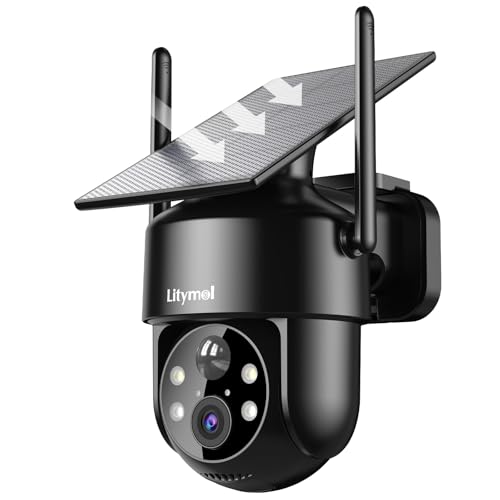
The LITYMOL 2K camera features 2K resolution and full 360° coverage with pan and tilt for near-complete area monitoring. Color night vision reaches up to 33 feet when the spotlight is active, and IP65 weather resistance covers a wide temperature range from -20°C to 50°C. The unit includes a solar panel and a 5200mAh battery, supporting long standby periods in typical usage. Smart PIR detection helps reduce false alarms, and two-way audio supports remote communication. Note that continuous 24/7 recording is not supported, which may affect continuous surveillance in severe weather.
HXVIEW 4K PTZ Outdoor Security Camera
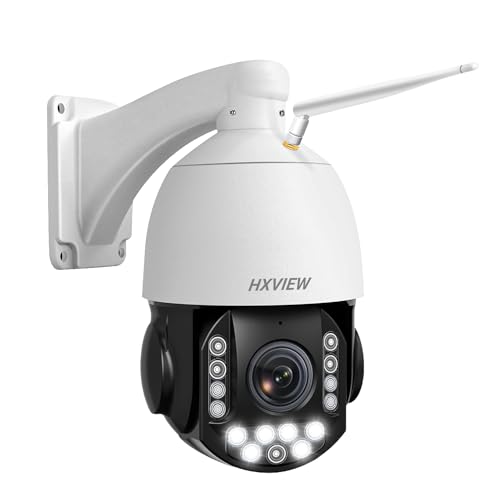
The HXVIEW 4K PTZ camera delivers true 4K Ultra HD imagery with a 30x optical zoom, enabling distant details to remain crisp. It includes 1,000 ft night vision and an auto-tracking feature that follows targets within its monitoring area. With flexible 2.4/5 GHz Wi-Fi support and IP66 weatherproofing, it is designed to endure harsh outdoor conditions and rapidly changing light, making it a strong option for properties exposed to extreme cold and wind.
Popugrut 4K Solar Security Cameras Wireless Outdoor

This dual-lens solar camera offers a 4K imaging capability with a 2-in-1 design that enables panoramic and partial views. Solar power supports remote locations, while color night vision enhances visibility in low light. Advanced motion and AI features help distinguish people and vehicles, reducing false alarms. Weather resistance is built to handle outdoor environments, including cold climates, though the solar efficiency depends on sunlight availability in winter conditions.
CowWolf 4G LTE Solar Security Camera Outdoor

The CowWolf camera operates without WiFi using built-in 4G LTE, which can be advantageous in remote or signal-weakened locations during winter. It features dual lenses for 360° coverage and 2K color night vision, helping to capture details in low light. Battery and solar components are designed for long life, though service plans for cellular data should be considered. This model is suited for barns, cabins, or driveways where stable power or Wi-Fi is limited by weather.
ZOSI 4 x 2MP Outdoor/Indoor Security Camera

The ZOSI kit provides multiple 1080p cameras with IP66 weatherproof housing and up to 100 ft of night vision. With a 90° viewing angle per camera, it supports both outdoor and indoor installation. The kit is DVR-compatible and suitable for upgrading existing surveillance systems. While not all models emphasize solar power, its rugged build and straightforward setup make it a practical choice for cold climates where a complete multi-camera setup is beneficial.
Buying Guide: Key Purchase Considerations
When selecting an extreme cold weather security camera system, consider these factors to ensure reliable operation through freezing temperatures and challenging conditions:
- Weather Resistance and Temperature Range: Look for IP ratings (IP66 or higher) and operating temperatures that cover sub-zero weather. A heater or weatherproof housing can help prevent performance degradation in extreme cold.
- Power Source and Endurance: Solar-powered options reduce maintenance in remote areas, but battery performance in cold weather can vary. For remote locations, cellular (4G/LTE) cameras offer independence from Wi-Fi but require data plans.
- Video Resolution and Night Vision: Higher resolutions (4K, 2K) provide clearer details such as license plates or faces, but require more storage. Color night vision improves visibility in well-lit situations; monochrome night vision can perform better in very dark environments.
- Field of View and PTZ Capabilities: A wide-angle lens reduces blind spots. PTZ (pan-tilt-zoom) allows you to scan large areas or track movement, which is useful in larger properties or driveways.
- Storage Options: Consider whether the device uses local SD cards, cloud storage, or a DVR/NVR setup. In cold climates, SD cards and cloud services can be more reliable than external drives exposed to temperature swings.
- Smart Detection and AI Features: Motion, person, vehicle, and animal detection help minimize false alarms. Some features may require subscriptions; evaluate ongoing costs versus benefits.
- Installation and Mounting: Ensure mounting hardware supports outdoor use and is appropriate for your location’s weather. A stable mounting surface reduces vibrations that degrade image quality in high-wind conditions.
- Connectivity and Network Requirements: Wi-Fi stability can be impacted by weather and distance. For remote sites, cellular or dual-band options provide more reliable connectivity, but may incur ongoing data charges.
- Two-Way Audio and Alerts: Two-way communication can deter intruders or enable remote assistance. Check alert types (push notifications, email) and how quickly they trigger under cold weather.
In applying these considerations, balance the need for detailed imaging with the realities of your location, such as sun exposure for solar cameras, available cellular coverage, and typical winter wind and precipitation patterns. The five models highlighted above offer diverse approaches—from solar-powered, battery-efficient designs to robust cellular options—so you can tailor your setup to your risk profile and climate.