Answer: For fast 16GB SD cards, look for UHS-I class cards with good read/write speeds (roughly 60–90 MB/s) and reliability across cameras and devices. This guide highlights five solid options suited for beginners needing quick transfers, compact point-and-shoots, action cams, or mid-range DSLRs. Each choice targets specific buyers, from casual shooters to budget-conscious videographers. The summary table below helps you compare core strengths at a glance.
| Product | Best For |
|---|---|
| SanDisk Ultra 16GB SDHC UHS-I | Casual photographers needing solid everyday speed and reliable Full HD recording |
| SanDisk Extreme 16GB SDHC UHS-I | 4K-ready or burst shooting where higher sustained speeds matter |
| INLAND Micro Center 16GB (2 Pack) | Value-focused users who want two cards for backups |
| INLAND 16GB Class 10 SDHC Full Size (2 Pack) | Full-size SD compatibility for older cameras and readers |
| elecacc 16GB (5 Pack) SDHC U1 Class 10 | Bulk purchases for multiple devices and extended shoots |
SANDISK Ultra 16GB SDHC UHS-I Memory Card

The SanDisk Ultra card is best for compact-to-midrange point-and-shoot cameras and camcorders. It offers speeds up to 80 MB/s, making photo bursts and file transfers faster than standard cards. The Class 10 rating supports Full HD video recording. This card is a solid choice for everyday photography and casual video work.
Best for: Casual photographers and social-media videographers who need dependable transfer speeds for standard 1080p video. Caution: Real-world speeds may vary by device and file type; not all devices will reach 80 MB/s.
SANDISK Extreme 16GB SDHC UHS-I Memory Card

The Extreme series targets higher-performance needs, including 4K UHD shooting and burst modes. It specifies up to 90 MB/s transfer speeds in practice, with performance designed to support sustained video capture and rapid image saving. It’s better for users who routinely shoot fast action or 4K content with compatible devices.
Best for: 4K video or high-speed photography enthusiasts. Caution: Max speeds depend on host device compatibility; some devices may not sustain peak rates.
INLAND Micro Center 16GB (2 Pack) SDHC UHS-I
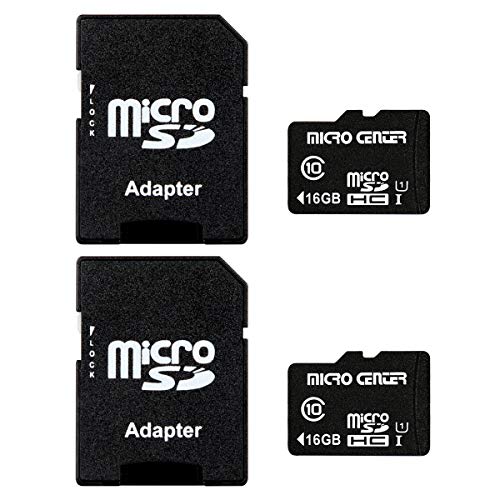
This 2-pack from INLAND emphasizes value and compatibility. It delivers up to 80 MB/s read speeds, with a practical 15 MB/s write speed, suitable for quick transfers and Full HD recording. It includes an SD adapter for broader device compatibility. Best for budget-conscious buyers who need multiple cards.
Best for: Budget shoppers who want a dependable dual-pack for cameras and readers. Limitation: Write speeds may be slower under burst-heavy workflows or older devices.
INLAND 16GB Class 10 SDHC Full Size (2 Pack)

This full-size SD card option fits older cameras and readers that require standard SD interfaces. It provides a read speed around 60 MB/s and write around 10 MB/s, with Class 10 performance to ensure smoother Full HD video capture and consistent file transfers. It’s a simple, compatible pick for legacy gear.
Best for: Users with older or bulk SD-compatible devices. Limitation: Slower write speeds may impact bursts and higher-resolution video compared to UHS-I options.
elecacc 16GB 5 Pack SDHC UHS-I Class 10
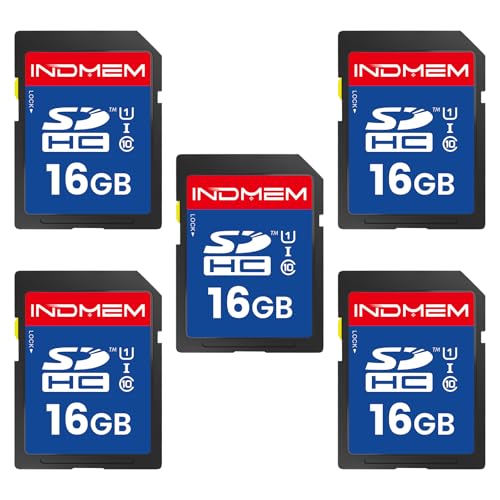
This 5-pack from elecacc targets high-volume needs. With speeds up to 90 MB/s read and 20 MB/s write, it supports continuous shooting and Full HD video recording. The bulk pack is ideal for photographers with multiple devices or extended shoots. Best for: multi-device households or event shooters.
Best for: Bulk buying and multi-device use. Caution: Bulk purchases may include minor unit-to-unit speed variation; verify each card’s functionality upon receipt.
Buying Guide
What speed classes matter for 16GB cards?
Look for UHS-I (bus speed) when possible, and Class 10 for sustained Full HD video. For 4K or high-burst shooting, prioritize U3 or Video Speed Class (V30) where available. Actual speeds depend on host device compatibility and file types.
Is UHS-I enough, or should I chase higher speeds?
For most casual photography and 1080p video, UHS-I with Class 10 is sufficient. If you shoot 4K or need rapid, repeated bursts, higher ratings (U3 or V30) can reduce buffering and improve reliability.
Capacity and device compatibility considerations
16GB is suitable for many cameras and tablets, but older readers may require a full-size SD card rather than microSD. Micro SD adapters expand compatibility. Check your device’s card type and supported speeds before buying.
Durability and brand trust
Established brands often provide consistent performance and better customer support. If you frequently work in challenging environments, consider cards with better shock resistance and reliability guarantees from recognized makers.
How many cards do I actually need?
For casual use, one card with a backup strategy can suffice. For travel or events, a 2-pack or 5-pack helps ensure you have spares and can separate media by shoot type without swapping cards mid-session.
Frequently Asked Questions
- What speeds should I expect from a fast 16GB SD card? Typical read speeds range from 60–90 MB/s; write speeds vary from 10–20 MB/s depending on card and host device. Real-world results depend on device compatibility and file types.
- Are 16GB cards still a good choice? Yes, they’re compact and suitable for standard-definition and HD workflows, as well as for compact cameras and action cams. For heavy 4K work, consider larger capacities with higher speed classes.
- Should I buy a microSD with an adapter? If you need to use the card in devices that only accept microSD or microSDHC, an adapter increases compatibility. Many kits include adapters.
- How do I maximize card longevity? Eject cards safely, avoid exposure to extreme temperatures, and format cards in the device you plan to use to ensure optimal file allocation.
- Do higher-priced cards always perform better? Not always. Performance depends on the combination of card speed class, device compatibility, and use case. Choose a card that matches your device and shooting needs.
- Can I use 16GB SD cards for 4K video? Some 16GB cards with U3 or V30 ratings can support 4K; however, sustained 4K workflows may benefit from higher capacities and faster classes to avoid buffering.