Choosing the right flash card can dramatically affect camera performance, especially for fast bursts and 4K video. This guide highlights top-grade memory cards suitable for various camera systems, from compact flash to SDXC, plus a practical reader to streamline workflow. Each option balances speed, durability, and capacity to help photographers and videographers capture decisive moments without compromise.
| Product | Brand | Capacity | Type |
|---|---|---|---|
| SanDisk 64GB Extreme CompactFlash | SanDisk | 64GB | CompactFlash UDMA 7 |
| SanDisk 32GB Extreme CompactFlash | SanDisk | 32GB | CompactFlash UDMA 7 |
| PNY 256GB Elite-X SDXC | PNY | 256GB | SDXC UHS-I U3 |
| SanDisk 256GB Extreme SDXC | SanDisk | 256GB | SDXC UHS-I |
| SanDisk 128GB Extreme PRO SDXC | SanDisk | 128GB | SDXC UHS-I |
The following selections cover a range of common needs: reliable CF cards for older DSLR bodies, fast SD cards for 4K video, and a multi-card reader that supports several formats. All cards are optimized for quick offload, robust video capture, and durable construction for field work. The buying guide at the end compares formats, speeds, and compatibility to help you pick the right model for your kit.
SanDisk 64GB Extreme CompactFlash Review

SanDisk’s 64GB Extreme CompactFlash card offers read speeds up to 120MB/s and write speeds up to 85MB/s, making it a strong choice for professional-grade photo bursts. The VPG-20 specification supports a sustained data rate of 20MB/s, which helps maintain smooth video capture. Its durable design includes RTV silicone coating, providing protection against shock and vibration—ideal for travel and on-location shoots. This card is well-suited for older DSLR bodies that still rely on CompactFlash media, delivering consistent performance under varied temperatures and conditions.
SanDisk 32GB Extreme CompactFlash Review

The 32GB Extreme CompactFlash card mirrors the 64GB model’s speed profile, with up to 120MB/s read and 85MB/s write speeds. It includes VPG-20 for a reliable 20MB/s video stream, and its endurance-tested construction with RTV silicone coating helps resist shocks and vibrations in rugged environments. Its compact capacity suits photographers who shoot high-volume bursts or work with lighter camera bodies that still support CF cards.
PNY 256GB Elite-X SDXC Review

The PNY Elite-X SDXC card provides Class 10, U3, and V30 ratings with up to 100MB/s read speeds. It targets photographers and videographers who need dependable 4K UHD and Full HD performance, fast file transfers, and ample capacity for long shoots. The 256GB size helps consolidate media libraries and reduces the need for frequent offloads during extended sessions. This card is compatible with a wide range of SD-compatible devices, including modern cameras and external readers.
SanDisk 256GB Extreme SDXC Review

SanDisk’s 256GB Extreme SDXC card uses QuickFlow Technology to deliver up to 180MB/s read speeds and up to 130MB/s write speeds in optimal conditions. This card is designed for high-speed offloads, 4K video capture, and burst shooting. It is recommended for professionals who work with high-resolution cameras and need speedy transfers to meet tight editing deadlines. Pairing it with a compatible SanDisk reader can maximize performance in supported workflows.
SanDisk 128GB Extreme PRO SDXC Review
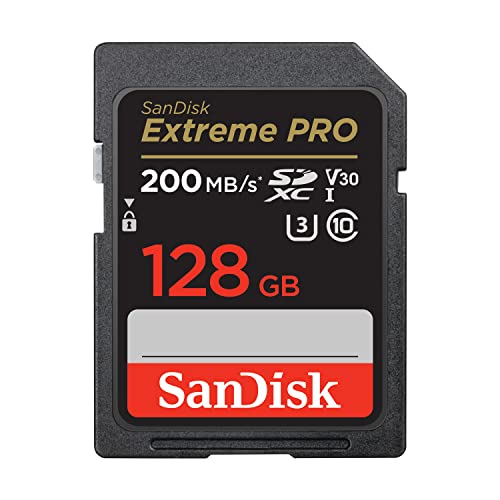
The 128GB Extreme PRO SDXC card emphasizes speed and reliability with QuickFlow Technology delivering up to 200MB/s read speeds and up to 90MB/s write speeds. It is optimized for demanding 4K UHD workflows and burst shooting, offering improved offload times to accelerate post-production. This card is intended for photographers and videographers who demand consistency and rapid data transfer across compatible SD-enabled devices.
BENFEI 4in1 Card Reader Review

The BENFEI 4-in-1 reader supports SD, Micro SD, MS, and CF cards, offering USB-C and USB 3.0/2.0 compatibility for broad device support. It enables simultaneous reading and writing of up to four cards, making it a practical accessory for field teams and editors who need fast, reliable transfer to laptops, desktops, or mobile devices. Its integrated design aims at stability and speed across USB interfaces, though actual performance depends on card type and host port.
Buying Guide: Key Purchase Considerations
Core card formats vary in compatibility and performance. CompactFlash cards are increasingly specialized for older DSLR bodies, while SD and SDXC cards dominate consumer and professional cameras. When selecting a flash card, consider:
- Speed class and ratings: Look for U3 and V30 for 4K video and high-burst shooting. Read/write speeds affect offload and continuous recording.
- Capacity: Balance workload and future proofing. Large capacities reduce frequent offloads but come at higher price.
- Video performance grade: For video, VPG-20 or similar specs indicate consistent recording rates essential for uninterrupted footage.
- Durability: Shock, vibration resistance, and temperature tolerance matter in fieldwork.
- Device compatibility: Ensure your camera supports the card type (CF, SD, or SDXC) and the card’s speed class.
- Reader compatibility: A multi-format reader can simplify workflow but verify supported formats and transfer speeds with your devices.
For most modern hobbyists and professionals, SDXC UHS-I cards with U3/V30 ratings offer a robust blend of capacity, speed, and broad camera compatibility. For legacy setups still using CompactFlash, high-performance CF cards with VPG-20 support provide reliable video capture. When possible, pair high-speed cards with compatible readers and ensure your computer’s ports can keep pace with the card’s throughput to maximize efficiency.