Exploring full-frame digital rangefinders means balancing classic manual feel with modern autofocus and high-resolution imaging. The following selections highlight renowned rangefinder-inspired cameras from Sony and Leica, offering superb image quality, distinct handling, and robust build for landscape, street, and documentary work. Each model blends traditional rangefinder aesthetics with contemporary tech to suit American shooters seeking premium performance.
| Product | Brand | Key Strengths | Approx. Sensor |
|---|---|---|---|
| Sony Alpha 7CR Black | Sony | Ultra-high resolution, compact form, strong processing | 61 MP full-frame |
| Sony Alpha 7CR Silver | Sony | Ultra-high resolution, compact form, strong processing | 61 MP full-frame |
| Leica M11 | Leica | Triple Resolution Technology, robust rangefinder ergonomics | Full-frame CMOS, 60 MP (max with Triple Resolution) |
| Leica M11 Monochrom | Leica | Monochrome sensor for tonal excellence, high ISO range | 60 MP back-illuminated mono sensor |
| Leica Q2 Monochrom | Leica | Compact full-frame monochrome option, high-end image quality | Full-frame monochrome sensor |
Sony Alpha 7CR: A High-Resolution Rangefinder-Inspired Hybrid

The Sony Alpha 7CR integrates a compact profile with a remarkably high 61.0-megapixel Exmor R full-frame sensor and BIONZ XR processing power. This combination yields exceptional detail, wide dynamic range, and responsive performance in a body that remains easily portable for street and travel photography. The camera’s design aligns with a modern hybrid system, delivering sharp JPEGs and flexible RAW options suitable for post-processing. The 7CR’s processing engine supports quick AF performance and color accuracy, enabling photographers to capture fine textures in landscapes, architecture, and candid moments without sacrificing image quality. Its light weight relative to its resolution makes it a strong choice for shooters seeking a high-resolution full-frame tool that travels well.
Key considerations
- Resolution versus file size: Balance detail with workflow demands.
- Lens ecosystem: Ensures flexibility for wide-angle and portrait work.
- Color science and dynamic range: Critical for high-contrast scenes.
Sony Alpha 7CR Silver: Premium Build, Premium Imagery

Essentially the same core sensor and processing as the black variant, the 7CR Silver offers the identical image quality in a distinct color finish and an equally compact, lightweight chassis. This variation is attractive for photographers who prioritize form-factor or simply enjoy the aesthetic of a silver body. Photographers can expect the same 61 MP sensor performance, excellent detail rendition, and robust processing that help manage subtle tonality in skies, foliage, and textured materials. Practical handling remains a central feature, with the camera designed to be comfortable during extended shooting sessions and adaptable to a range of lenses and shooting styles.
Key considerations
- Color finish preference and its impact on handling (ergonomics and grip).
- Maintaining alignment with high-resolution workflows and color grading.
- Weather-sealing and durability for field use.
Leica M11: Modern Rangefinder with Triple Resolution

The Leica M11 represents a refined interpretation of the classic rangefinder concept, combining a full-frame sensor with Leica’s Triple Resolution Technology. Photographers can choose 60 MP, 36 MP, or 18 MP outputs while using the entire sensor area, preserving edge-to-edge sharpness and detail. The M11’s ergonomic controls are designed for quick, tactile operation, and an advanced touchscreen aids in menu navigation and focus peaking. This model appeals to shooters who value the tactile feedback of traditional rangefinder styling alongside modern image quality, color fidelity, and a robust build that suits documentary work and street photography in varied lighting.
Key considerations
- Triple Resolution Technology for flexible image output.
- Rangefinder ergonomics and framing accuracy.
- Lens compatibility within the Leica ecosystem and beyond.
Leica M11 Monochrom: Pure Tonal Excellence
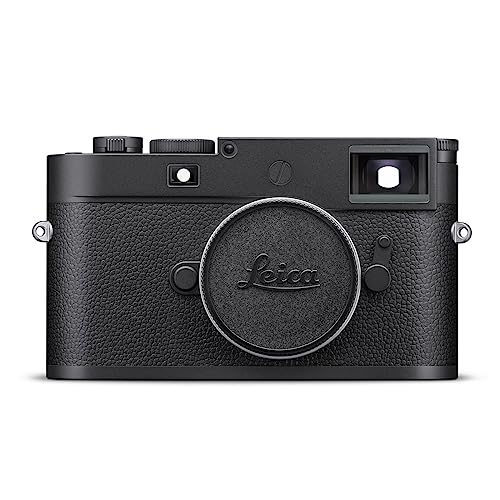
The Leica M11 Monochrom takes a bold path by using a dedicated monochrome sensor and removing the color filter array. This is designed to deliver exceptional luminance, tonal separation, and dynamic range in black-and-white photography. The absence of color filtering can produce cleaner shadows and highlight transitions, especially beneficial in portraiture, architecture, and street scenes where tonal depth matters most. The camera retains Leica’s precise exposure, robust build, and the familiar rangefinder experience, while offering a wide ISO range, fast response, and efficient post-production workflow for monochrome workflows.
Key considerations
- Monochrome capture workflow and grading choices.
- ISO performance for high-contrast scenes.
- Specialized monochrome lenses to maximize performance.
Leica Q2 Monochrom: Compact Full-Frame Monochrome

The Leica Q2 Monochrom combines a compact, fixed-lens approach with a full-frame monochrome sensor for on-the-go monochrome imaging. While maintaining a smaller footprint than interchangeable-lens bodies, it offers high-resolution capture and Leica image processing for rich tonal rendering. This makes it a strong option for street photographers and travelers who want a ready-to-shoot solution with the distinctive look and feel of Leica monochrome imagery. The camera’s ergonomics emphasize fast handling and a fixed focal length that challenges the photographer to refine composition in the moment.
Key considerations
- Fixed lens versatility versus interchangeable systems.
- Monochrome workflow and emphasis on tonal contrast.
- Portability and all-day shooting capability.
Buying Guide: Key Purchase Considerations And Comparisons
When choosing a full-frame digital rangefinder-inspired camera, several factors define long-term satisfaction and image outcomes.
- Sensor and image quality: High-resolution sensors provide detail and cropping flexibility, but demand efficient processing and ample storage. Consider dynamic range and color science for your preferred genres (landscape, street, portrait).
- Monochrome capability: If you predominantly shoot in black and white, monochrome sensors like Leica Monochrom models offer distinct tonal advantages and simplified color workflows.
- Ergonomics and handling: Rangefinder-inspired bodies emphasize tactile controls, a precise view and framing experience. Test grip, control layouts, and viewfinder options to ensure comfortable extended use.
- Lens ecosystem: Access to high-quality lenses (especially wide-angle and fast primes) multiplies the system’s versatility. Consider future lens plans and compatibility.
- Size, weight, and portability: Lighter bodies improve mobility for travel and street work, while some photographers prefer the heft and balance of more substantial builds for stability in handheld shooting.
- Processing power and speed: Fast processing enables quick AF, minimal shutter lag, and smooth playback, important for action and documentary shooting.
- Workflow and file formats: RAW flexibility, color profiles, and in-camera editing tools influence post-production efficiency and results.
- Durability and weather sealing: For outdoor use, weather sealing and rugged construction help protect equipment in varying conditions.
- Price-to-performance balance: Premium rangefinders deliver exceptional quality, but assess whether the investment aligns with your shooting priorities and long-term goals.
- Future-proofing: Compatibility with new lenses, firmware updates, and service support enhances investment longevity.