Stabilizing a camera, whether you’re chasing smooth cinematic footage or crisp vlogs, hinges on selecting the right gimbal. This guide highlights top gimbal options for digital cameras and compact setups, covering handheld stabilizers, pocket-sized rigs, and versatile models that support a range of brands. Each option offers reliable stabilization, intuitive controls, and thoughtful design to help you capture professional-quality video with less shake.
Summary of selected products:
| Product | Brand | Payload Support | Notable Features |
|---|---|---|---|
| DJI RS 3 Mini | DJI | Up to 2 kg (4.4 lbs) | Ultra-light design, native vertical shooting, Bluetooth shutter control |
| DJI Osmo Pocket 3 Creator Combo | DJI | 1″ sensor, 4K/120fps | 2-inch touchscreen, 3-axis stabilization, face/object tracking |
| Xtra Muse | Xtra Edge | Various compact cameras | 1″ CMOS, 4K/120fps, 3-axis stabilization, touch framing |
| DJI Osmo Pocket 3 | DJI | 1″ sensor, 4K/120fps | 3-axis stabilization, fast focus, versatile for vlogging |
| ZHIYUN Cinepeer Weebill 3E | ZHIYUN | 3 kg payload | Native vertical shooting, compact design, BT shutter control |
DJI RS 3 Mini: Lightweight 3-Axis Gimbal Stabilizer
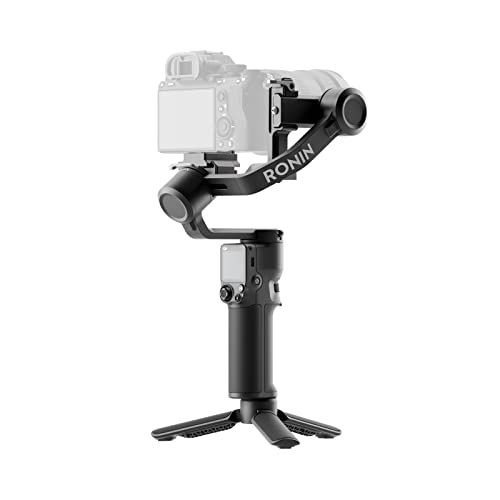
The DJI RS 3 Mini is designed for travel-focused videographers who still demand professional stabilization. Weighing only 795 g (1.75 lbs), this compact gimbal delivers a hefty 2 kg (4.4 lbs) payload capacity, enabling a broad selection of cameras and lenses. Its lightweight construction makes extended handheld use comfortable, while high-torque motors maintain stable movement across pans, tilts, and rolls. A notable feature is native vertical shooting, simplifying social media-ready portrait framing without extra adapters. Bluetooth shutter control lets you capture moments without rebalancing.
DJI Osmo Pocket 3 Creator Combo
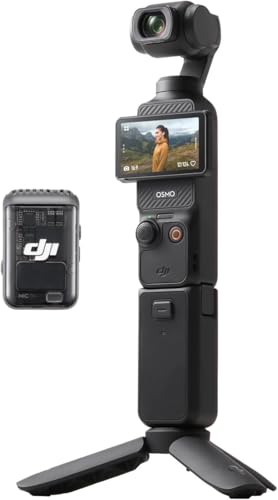
The Osmo Pocket 3 Creator Combo combines a compact pocket camera with robust stabilization and advanced recording capabilities. It houses a 1-inch CMOS sensor capable of 4K at 120fps for smooth, high-detail footage in dynamic environments. The built-in 2-inch touch screen supports easy framing in both horizontal and vertical orientations, ideal for creators who publish across platforms. Its 3-axis mechanical stabilization minimizes shake even during fast motion, making it suitable for run-and-gun shoots, vlogs, and action-focused content.
Xtra Muse: 3-Axis Gimbal For Pocket-Size Filmmaking
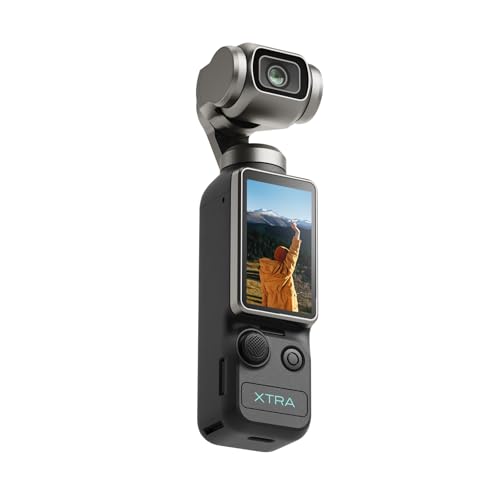
Xtra Muse brings cinematic stabilization to pocket-sized cameras with a 1-inch CMOS sensor supporting 4K at 120fps. The 3-axis gimbal delivers ultra-steady footage across motion-intensive activities, from dancing to hiking. A 2-inch touch screen enables easy framing and quick switching between horizontal and vertical modes, helping creators adapt shots for different social channels without reconfiguring gear. The combination of high-resolution capture and smooth stabilization makes this a versatile option for travel and YouTube-style content.
DJI Osmo Pocket 3: Pocket-Size Vlogging Camera

The Osmo Pocket 3 blends a 1-inch CMOS sensor with 4K/120fps recording in a compact body designed for on-the-go filming. Its 3-axis stabilization removes shake during dynamic movements, while fast autofocus helps keep subjects sharp in fast-paced scenes. The device’s tilted and rotating 2-inch touch screen simplifies composition for both vertical and horizontal shoots, making it a practical choice for vloggers who travel light and need quick turnarounds on social platforms.
ZHIYUN Cinepeer Weebill 3E: Ultra-Portable 3-Axis Gimbal

The Cinepeer Weebill 3E offers a robust 3 kg payload in a compact frame, balancing lightweight handling with substantial carrying capacity. It emphasizes native vertical shooting, allowing creators to switch to portrait framing without extra adapters. The machine integrates Bluetooth shutter control to simplify camera operation and keep the focus on composition. While designed for DSLR and mirrorless cameras from multiple brands, it remains a portable option for social media-friendly workflows and longer shooting sessions where comfort matters.
Buying Guide: Key Considerations For Your Gimbal Choice
- Payload and camera compatibility: Ensure the gimbal can support your camera body, lens, and any accessories. If you upgrade gear, verify the maximum payload and balance options.
- Stabilization quality and axis control: Look for 3-axis stabilization for smooth footage. Consider models with advanced motor torque and algorithms that minimize jitter during pans, tilts, and rolls.
- Weight and portability: Lighter gimbals are easier to carry on-location, but verify that the payload benefits aren’t compromised. Travel-friendly options excel in balance between weight and stability.
- Vertical shooting and social media: If vertical content is important, prioritize gimbals with native vertical mount options or simple adapters for fast portrait framing.
- Automation and controls: Features like Bluetooth shutter control, integrated focus control, and object tracking can save time and improve shot consistency in dynamic scenes.
- Battery life and charging: Longer battery life reduces downtime on shoots. Check whether USB-C or quick-charging options are available for field use.
- Ergonomics and handling: A comfortable grip, balanced design, and stable lock mechanisms help reduce fatigue during long sessions and ensure precise movement control.
- Software compatibility and accessories: Ensure compatibility with your camera brand and that essential cables or remote controls are readily available. Some models require separate cables for full function with certain brands.
In selecting a gimbal, consider your typical shooting style, travel needs, and whether you primarily shoot stills with occasional video or require continuous, high-frame-rate video capture. The models highlighted above provide a range of payloads, form factors, and control features to accommodate hobbyists and professionals alike while supporting both traditional and vertical video workflows.