Choosing the right gimbal can dramatically improve footage for mirrorless cameras. This guide highlights five standout models, covering payload, usability, tracking, and vertical shooting capabilities. Each option balances portability with performance, helping you capture steady, cinematic shots whether you’re traveling or shooting in-studio.
| Product | Brand | Payload (max) | Key Benefit |
|---|---|---|---|
| RS 3 Mini | DJI | 2 kg / 4.4 lbs | Ultra-portable with strong motors |
| SCORP-C2 | FeiyuTech | 3.5 kg / 7.72 lbs | Built-in AI tracking; wireless control |
| RS 4 | DJI | 2 kg / 4.4 lbs | Native vertical shooting; advanced modes |
| RS 4 Mini | DJI | 2 kg / 4.4 lbs | Fast setup; intelligent tracking |
| Weebill S | Zhiyun | Depends on camera setup | Compact, ergonomic sling mode; strong stabilization |
Note: All models listed support common mirrorless cameras from brands like Sony, Canon, Panasonic, Nikon, and Fujifilm, with varying payloads and feature sets. Reading specs and user reviews helps ensure compatibility with your exact camera and lens combination.
DJI RS 3 Mini: Light, Strong, and Travel-Ready
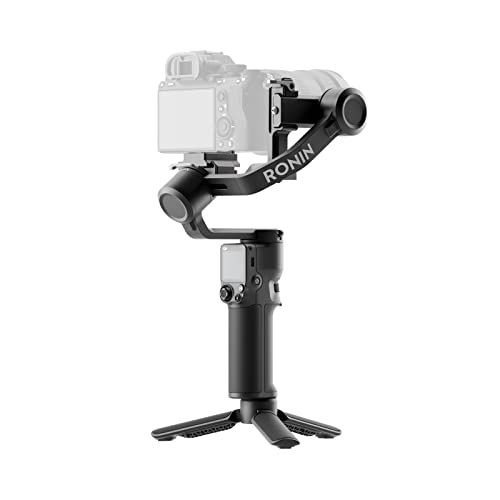
The DJI RS 3 Mini is a compact, 3-axis gimbal designed for lightweight mirrorless cameras. With a 795 g (1.75 lb) frame, it delivers a portable solution for travel and on-the-go shoots. Its high-torque motors support a payload up to 2 kg (4.4 lbs), enabling a wide range of camera and lens combinations. Bluetooth shutter control allows quick, reliable capture, with the camera re-establishing connections after initial pairing. The RS 3 Mini emphasizes ease of use, fast setup, and dependable stabilization for travel content creators.
Key strengths include its compact footprint and solid stabilization capabilities for mid-range mirrorless rigs. While it shines in mobility, users should verify lens weight and balance when pairing heavy zooms. The built-in wireless control and stable motors make it a strong all-around option for travel-focused videographers.
FeiyuTech SCORP-C2: AI Tracking With No App Fuss

The FeiyuTech SCORP-C2 offers built-in AI tracking and vertical shooting via a native switch, without the need for a separate app. It supports a formidable payload of up to 3.5 kg (7.72 lbs), making it suitable for larger mirrorless bodies and lenses. The gimbal ships with a quick vertical installation that enables fast transitions between horizontal and vertical framing, ideal for social media workflows or event coverage. Its combination of AI tracking and robust stabilization helps maintain smooth footage in dynamic scenes.
Pros include strong tracking performance and vertical shooting convenience. A potential drawback is the absence of app-based customization, which some users may miss, but its built-in AI tracking and high payload mitigate most workflow concerns for many shooters.
DJI RS 4: Advanced Stabilization With Versatile Modes

The DJI RS 4 is a 3-axis stabilizer engineered for DSLR and mirrorless cameras, featuring a 2 kg (4.4 lbs) payload and 2nd-Gen Native Vertical Shooting. A joystick mode switch provides quick transitions between PF, PTF, and FPV modes, making it adaptable to a wide range of shots. Teflon-coated axis arms reduce friction for smoother balancing and faster setup. This gimbal is well-suited for creators who need reliable performance across a broad spectrum of shooting scenarios, including fast-paced events and cinematic runs.
Consider its larger form factor relative to ultra-compact models. For videographers prioritizing portability, the RS 4’s capabilities are best leveraged when you can carry a slightly bigger rig, especially when vertical shooting is a frequent requirement.
DJI RS 4 Mini: Quick Setup, Smart Tracking

The DJI RS 4 Mini emphasizes speed and responsiveness. Its auto axis locks speed up setup, so you can move from lockdown to shooting in seconds. Intelligent Tracking helps keep a subject framed during orbit shots or solo runs, while the gimbal’s balancing benefits from Teflon enhancements contribute to smoother operation in dynamic environments. This model is ideal for creators who need rapid action and reliable tracking without a complicated setup.
While highly capable, the RS 4 Mini’s balance and weight distribution should be tested with your specific camera and lens kit. Its strength lies in fast action scenarios and on-the-fly adjustments during fast-paced shoots.
Weebill S: Compact Yet Capable Stabilizer
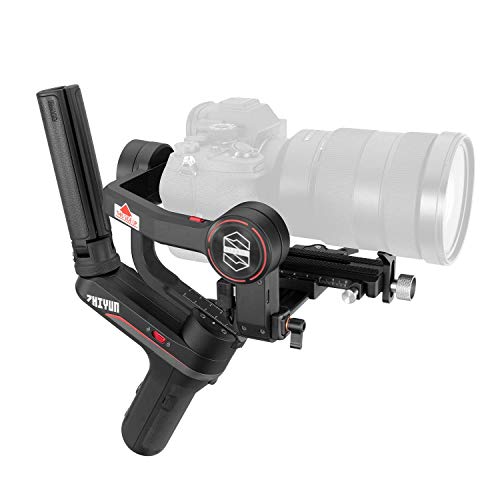
The Zhiyun Weebill S combines a compact design with strong stabilization, making it a convenient choice for mirrorless kits. It supports a wide range of camera bodies and lenses, with sling-style ergonomics for comfortable long shoots. The gimbal’s architecture emphasizes balance efficiency and ease of use, appealing to travelers and wedding shooters who value portability without sacrificing performance.
Considerations for the Weebill S include ensuring compatibility with heavier lenses and confirming battery life meets your shoot duration. Its lightweight, ergonomic form supports extended handheld use, while its stabilization performance remains competitive with other mid-to-high-end gimbals in this category.
Buying Guide: Key Purchase Considerations For Mirrorless Gimbals
Payload capacity and balance: Match the gimbal’s maximum payload to your camera body plus lens. Overshooting payload reduces stabilization efficiency and may strain motors. Always verify balance with your intended rig to ensure smooth operation across modes.
Vertical and horizontal shooting: If social media or vertical video is essential, prioritize gimbals with native vertical shooting or fast, tool-free transitions between orientations. This minimizes setup time during shoots and streamlines post-production.
Tracking and intelligent modes: Built-in AI or object-tracking features help maintain focus on subjects during motion. Consider models with reliable tracking at typical shooting distances, especially for events or wildlife footage.
Ergonomics and setup speed: For on-the-go shooting, lightweight frames and quick-lock systems reduce fatigue and downtime. Some models offer detachable grips or remote controls for solo filming or awkward angles, which can expand creative options.
Compatibility and accessories: Confirm compatibility with your camera brand and lens lineup. Check bundled features such as focus control cables, app support, and charging options, as these affect workflow and convenience.
Portability vs. performance: Ultra-compact models excel in travel but may trade some stability or payload flexibility. If you shoot with heavier lenses or in challenging environments, a slightly larger gimbal with robust motors may deliver more consistent results.
Price-to-performance balance: Higher-priced models often provide smoother stabilization, faster setup, and better tracking, but mid-range options can deliver excellent results for most mirrorless rigs. Evaluate your typical use-case to determine the best value.
Durability and build quality: Look for robust axis arms and high-quality coatings (like Teflon) to minimize wear over time. A well-built gimbal withstands frequent use and travel without compromising performance.