Discover the best gimbals that work well with compact point-and-shoot cameras and smartphones. This guide helps buyers choose stable, shake-free footage for travel, vlogging, and everyday capture. The top picks balance portability, payload, and ease of use for different creators. The featured products suit travelers, solo creators, and vloggers who want smooth video without bulky gear.
| Product | Best For | Why Selected |
|---|---|---|
| DJI RS 3 Mini | Compact camera setups | Ultra-lightweight, high-torque motors, wide payload range, native vertical shooting |
| DJI Osmo Mobile 8 Advanced Tracking Combo | Smartphone creators | AI tracking, built-in lighting, tripod and selfie stick for versatility |
| DJI Osmo Mobile 7 | Phone-based vlogging | Three-axis stabilization, foldable design, integrated tripod |
| COMITOK L7C Pro | iPhone and Android videographers | 3-axis stabilization, AI tracking, foldable and portable |
| FeiyuTech SCORP Mini-3-Pro | Wide camera/phone setups | AI tracking, detachable grip, multi-device compatibility |
DJI RS 3 Mini, 3-Axis Gimbal Stabilizer
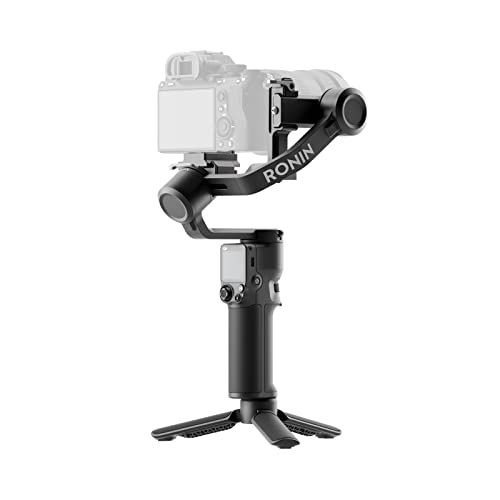
The DJI RS 3 Mini is a compact, lightweight stabilizer designed for cameras and small lenses up to 2 kg (4.4 lbs). It emphasizes portability with a payload you can realistically carry for travel. Best for photographers who want strong stabilization without carrying heavy rigging.
Who it’s best for: travelers and creators using compact cameras or mirrorless bodies alongside lightweight lenses. Why selected: high-torque motors allow a wide range of camera-and-lens combinations while preserving stability in dynamic scenes. Caution: heavier setups may reduce battery life and overall balance.
DJI Osmo Mobile 8 Advanced Tracking Combo

The Osmo Mobile 8 Advanced Tracking Combo focuses on smartphones, adding AI tracking, integrated lighting, and a built-in extension rod and tripod. It supports 360° pan rotation for immersive shots and quick setup for on-the-go creators.
Best for: smartphone videographers who want reliable tracking and better lighting without external gear. Why selected: forward-looking features like native tracking with audio and lighting improve on-the-move footage. Caution: some features require compatible apps and regular updates.
DJI Osmo Mobile 7 Gimbal Stabilizer

The Osmo Mobile 7 delivers robust 3-axis stabilization with an integrated tripod and foldable design. It’s aimed at casual to semi-professional mobile creators who want cinema-quality footage with minimal setup. Best for: daily vloggers and quick-turnaround content creators on phones. Why selected: reliable stabilization and convenient one-tap edits via the app. Caution: may require regular app updates for best performance.
COMITOK L7C Pro Gimbal

The L7C Pro is a foldable, lightweight stabilizer for iPhone and Android devices with 3-axis stabilization and AI tracking. It emphasizes portability and ease of use for vloggers and aspiring videographers who want professional-looking footage without bulky gear.
Best for: mobile creators seeking AI-assisted tracking and a compact design. Why selected: 9.0 AI tracking provides precise subject lock, while the foldable form reduces bulk. Caution: some users may prefer more rugged gimbals for demanding shoots.
FeiyuTech SCORP Mini-3-Pro Gimbal

The SCORP Mini-3-Pro offers four-in-one versatility, supporting cameras, smartphones, and action cams with AI Tracking 4.0. Its detachable grip allows use as a remote control, expanding shooting possibilities for solo creators. Best for: versatile shooters who need to switch between devices quickly. Why selected: 18-meter tracking range and quick response enable dynamic, hands-free footage. Caution: higher-end features may require a learning curve for new users.
Buying Guide
What to consider when choosing a gimbal for point-and-shoot cameras or phones:
- Payload and compatibility: Confirm the maximum weight the gimbal can stabilize and whether your camera or phone fits within that range. A higher payload supports more lens options or larger phones with cases.
- Portability vs. features: Lightweight models are easier to travel with, but may offer fewer features. Balance comfort with stabilization capabilities.
- Tracking technology: AI tracking can simplify filming, but ensure you understand how to switch modes and what apps are required for best results.
- Battery life and charging: Check how long you can shoot before recharging and whether the gimbal supports USB-C charging or power banks.
- Creative tools: Built-in tripods, extension rods, or interchangeable grips can enhance versatility for vlogging and run-and-gun shoots.
- Setup and balance: Some models offer straightforward balance settings; others may require more fine-tuning for optimal performance.
FAQ
- What is a gimbal best used for with point-and-shoot devices?
It stabilizes footage for smooth pans, tilts, and tracking, reducing shake during walking or running. - Do these gimbals work with smartphones as well as cameras?
Many listed models support both phones and compact cameras, with specific payload ranges noted by the manufacturer. - Is AI tracking necessary for mobile vlogging?
It can simplify keeping subjects in frame, especially when moving, but manual control remains possible on most models. - What should I check before buying a gimbal?
Check payload, portability, battery life, tracking features, and compatibility with accessories like tripods or lights. - Can I use a gimbal for action shots?
Yes, many models include features that work well for action sequences, with fast response tracking and sturdy stabilization. - Are there any safety considerations?
Always balance the device correctly, follow manufacturer weight limits, and avoid rough handling that could damage motors.