Looking for a high-definition camera that delivers crisp video for meetings, webinars, and remote work? This guide highlights five standout options that balance resolution, ease of use, and compatibility for American buyers. The top picks are suited for different needs—from plug-and-play 1080p setups for everyday calls to 4K webcams that make your presentations pop. Below, you’ll find quick comparisons and a buying guide to help you choose the right HD camera for your conferencing setup.
| Product | Best For | Key Feature |
|---|---|---|
| IPEVO V4K Ultra High Definition 8MP | Educators & presenters needing ultra high definition document capture | 3264 x 2448 live capture with Sony CMOS sensor |
| NexiGo N60 1080P Webcam | Budget-friendly daily conferencing | 1080p at 30fps with built-in microphone |
| Logitech Brio 4K Webcam | Professional meetings and Teams/Zoom use | 4K at 30fps with RightLight 3 and multiple FOV options |
| AOC 4k Webcam with Microphone | Remote work with privacy and broad compatibility | 4K Ultra HD, 90° FOV, plug-and-play |
| Tenveo VLoop 11X PTZ Camera | Medium to large group meetings and streaming | 11x optical zoom and 1080p at 60fps |
IPEVO V4K Ultra High Definition 8MP USB Document Camera
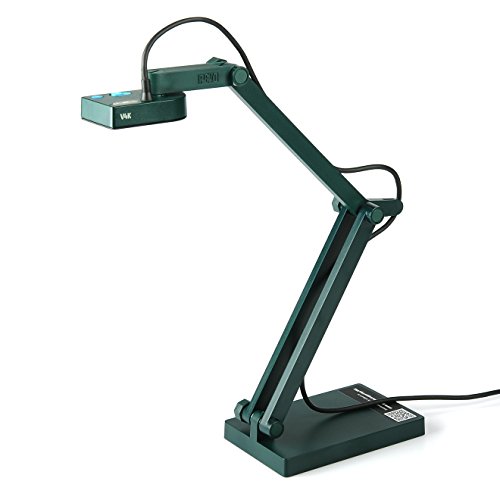
The IPEVO V4K offers an 8‑MP camera capable of ultra high‑definition live capture up to 3264 x 2448 pixels. It supports high frame rates for lag‑free streaming and fast focusing to minimize transcript interruptions when switching between materials. The Sony CMOS sensor helps reduce noise and improve color reproduction in dim lighting, making it ideal for educators, remote tutors, and presenters who frequently display documents or specimens. Best for classrooms and live demos where document capture and clear visuals are essential. Limitation: lower frame rates at maximum resolution may impact very fast motion.
NexiGo N60 1080P Webcam

The NexiGo N60 delivers Full HD 1080p video at 30fps, with a built-in noise‑reducing microphone for clearer calls. It connects via USB 2.0/3.0 and requires no driver installation, offering wide compatibility across Mac, Windows, Android, Linux, and Chrome OS. It’s a solid choice for everyday video calls, small teams, or students who need reliable, plug‑and‑play performance. Choose this if you want a budget-friendly camera with simple setup and solid overall performance. A potential limitation is that it does not offer 4K resolution.
Logitech Brio 4K Webcam

The Logitech Brio 4K webcam excels with 4K resolution at 30fps and advanced features like RightLight 3 for better exposure in challenging lighting. It offers multiple field-of-view presets (65°, 78°, 90°) to tailor framing for professional head‑and‑shoulders shots or wider room capture. This model is best for professionals using Teams, Zoom, or Google Meet who need sharp detail and flexible framing. Limitation: higher bandwidth and system requirements for 4K streaming may affect performance on older devices.
AOC 4K Webcam with Microphone

The AOC 4K webcam offers 4K Ultra HD video and a wide 90° field of view, plus full 360° rotation and 180° tilt for flexible positioning. It emphasizes plug‑and‑play setup and compatibility with major platforms like Zoom, Teams, and Skype. Best for users who want a high-resolution camera with broad viewing options for demonstrations and panel discussions. Caution: 4K streaming can require more bandwidth and processing power, which may impact performance on lower-end devices.
Tenveo VLoop 11X PTZ Conference Camera

The Tenveo VLoop is a PTZ conference camera with 11x optical zoom and 1080p at 60fps, designed for larger rooms and live streaming. The wide-angle lens covers the room while remote pan/tilt movements are smooth and quiet. It supports multiple connections (USB3.0 and HDMI) and is suitable for corporate meetings, worship services, and large seminars. Best for: meetings needing dynamic framing and close-ups. Limitation: no built-in microphone, so you’ll need an external audio solution.
Buying Guide: How To Choose The Right HD Camera For Video Conferencing
- Resolution vs. bandwidth: 4K offers the highest detail but requires more bandwidth and processing power. 1080p provides solid clarity with lighter system demands.
- Field of view: Narrow FOV (around 65°) is ideal for head‑and‑shoulders framing; wider FOV (78°–90°) captures more of the room, useful for panel setups or demonstrations.
- Autofocus and lighting: Fast autofocus helps in dynamic presentations; cameras with dynamic light correction (RightLight or similar) handle backlighting and dim rooms better.
- Audio needs: Built-in mics simplify setups, but external mics often deliver clearer sound in busy environments—consider if you need separate audio for professionals use.
- Compatibility and setup: Look for USB plug‑and‑play support and broad OS compatibility (Windows, macOS, Chrome OS, Linux) to minimize driver fuss.
- PTZ vs fixed cameras: PTZ cameras (pan/tilt/zoom) suit larger rooms and presenters who need flexible framing; fixed webcams are easier and cheaper for small spaces.
Frequently Asked Questions
- What is the best resolution for video conferencing? For most meetings, 1080p at 30fps offers a balance of clarity and performance. 4K can provide sharper detail but demands more bandwidth and a capable system.
- Do I need a microphone with the camera? If your camera has a built-in mic, it may suffice for small rooms, but external mics often improve audio in louder environments.
- Is a PTZ camera worth it for small team meetings? PTZ cameras shine in larger rooms or when multiple presenters are involved, but for small teams a fixed 1080p or 4K webcam is typically sufficient.
- Will 4K webcams work with all conferencing software? Most modern platforms support 4K streaming, but ensure your software and hardware can handle the higher data rate.
- What should I consider for dim lighting? Look for cameras with good low‑light performance or features like auto exposure and noise reduction to maintain clear video.
- Can I use these cameras with Chromebooks? Many models offer broad USB compatibility; confirm Chromebook support in product specs or on the retailer page if that is a priority.