Image stabilization is a crucial feature for capturing sharp photos and steady video, especially in low light or at longer focal lengths. The following lenses combine optical stabilization with versatile zoom ranges and solid build quality, making them strong choices for both enthusiast and professional photographers using mirrorless and DSLR systems. This guide highlights five top options, outlining what each lens brings to the table and how stabilization helps in real-world shooting scenarios.
| Product | Brand | Stabilization | Zoom Range / Type | Notes |
|---|---|---|---|---|
| Nikon NIKKOR Z 24-200mm VR | Nikon | Built-in VR image stabilization | 24-200mm, all-in-one telephoto zoom | Compact, flexible for travel |
| Canon RF70-200mm F2.8 L IS USM | Canon | Optical image stabilization up to 5 stops | 70-200mm, fast telephoto | Bright f/2.8, professional lens |
| Canon RF 200-800mm f/6.3-9 IS USM | Canon | Built-in Image Stabilization | 200-800mm, super-telephoto | Extreme reach for wildlife |
| Nikon NIKKOR Z DX 50-250mm VR | Nikon | Built-in VR up to 5 stops | 50-250mm, standard to long telephoto | Compact DX option |
| Panasonic LUMIX G85 12-60mm Power O.I.S. | Panasonic | Dual Image Stabilization (Body + Lens) | 12-60mm, versatile zoom | Good for handheld video and photos |
Nikon NIKKOR Z 24-200mm VR

The Nikon NIKKOR Z 24-200mm VR is a compact all-in-one telephoto zoom designed for Nikon Z series mirrorless cameras. It features built-in Vibration Reduction to help steady handheld shots across a broad focal range. The lens also includes Aspherical Elements, ED glass, and ARNEO and Fluorine coatings for sharpness and contrast, along with a customizable, clickless control ring for quick access to camera settings. This combination aims to deliver versatile performance for travel, events, and everyday photography.
Canon RF70-200mm F2.8 L IS USM

The Canon RF70-200mm F2.8 L IS USM offers a bright f/2.8 aperture with professional-level optics for Canon RF-mount cameras. Its optical image stabilization supports up to five stops of shake correction, helping deliver sharp images in challenging light and during action. The lens is noted for its balance of brightness, reach, and build quality, making it suitable for portraits, sports, and event photography where stabilization and image clarity are critical.
Canon RF 200-800mm f/6.3-9 IS USM
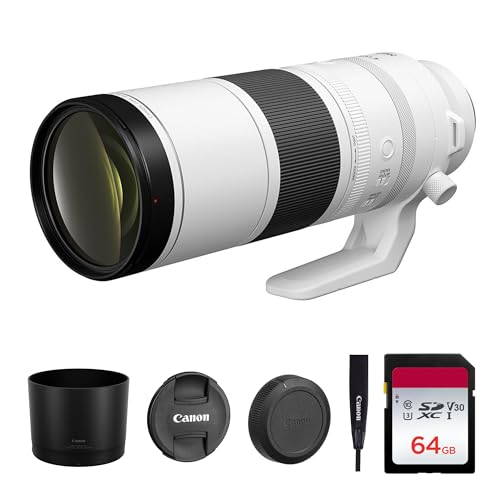
The Canon RF 200-800mm f/6.3-9 IS USM is a full-frame super-telephoto zoom with built-in image stabilization. Its expansive reach makes it ideal for wildlife, birds, and distant subjects. The lens emphasizes flexibility over extreme low-light performance, with stabilization helping to keep handheld shots steady at long distances. This is a practical option for wildlife photographers seeking reach without a tripod complicating field work.
Nikon NIKKOR Z DX 50-250mm VR

The Nikon NIKKOR Z DX 50-250mm VR is a compact telephoto lens tailored for APS-C Z-series cameras. It features built-in VR up to five stops and an assignable control ring, enabling quick adjustments in dynamic shooting scenarios. Its range covers everyday to semi-telephoto needs, making it a versatile option for travel and outdoor photography where stabilization is a key advantage.
Panasonic LUMIX G85 12-60mm Power O.I.S.

The Panasonic LUMIX G85 pairs a 12-60mm kit lens with Power Optical Image Stabilization, backed by 5-axis Dual IS when used with compatible bodies. This combination helps achieve steadier handheld stills and smoother 4K video, making it a solid choice for travelers and creators who value compact size and reliable stabilization in a Micro Four Thirds system.
Buying Guide
Key considerations when choosing a stabilized lens include focal length range, stabilization type, weight, and compatibility with your camera system. For travel and everyday use, all-in-one options like the Nikon 24-200mm and Canon’s 200-800mm provide flexibility without swapping lenses. For subjects demanding speed, the Canon RF70-200mm F2.8 L IS USM offers a bright aperture with reliable stabilization, though it comes with a heavier build. Telephoto work benefits most from longer focal lengths paired with solid IS performance, as seen in the Canon 200-800mm and Nikon 50-250mm options.
Stabilization methods vary: lens-based IS, sensor-shift (body-based) stabilization, or a hybrid approach. Lens-based IS provides consistent performance across the zoom range and is ideal when you frequently switch between cameras. Body or dual IS systems excel in video and handheld shooting across different lenses. It’s also important to consider optical quality, coatings, and elements that reduce ghosting and flare, which contribute to image clarity at longer focal lengths.
When choosing among these options, assess your typical shooting conditions: do you shoot wildlife at extreme distances, landscapes in low light, or fast-moving events? If you prioritize portability, compact zooms like the Nikon 24-200mm or Nikon 50-250mm DX can be advantageous. For professional action and sports, the Canon 70-200mm F2.8 with IS provides brightness and stabilization under demanding conditions. For video-centric work, models with strong IS in concert with camera stabilization deliver smoother motion and fewer headaches for handheld footage.
Accessibility and compatibility are also important. Ensure that the lens you pick aligns with your camera system (Nikon Z, Canon RF, Panasonic Micro Four Thirds) and that the stabilization performance matches your typical shutter speeds and subject distance. Finally, verify build quality and weather sealing if you shoot outdoors, as stabilized lenses often accompany tougher construction to withstand field use.