Choosing the right memory card can directly impact photo and video workflows, from quick offloads to uninterrupted 4K recording. This guide highlights top SanDisk options and one versatile Sandisk Ultra pick that balance speed, capacity, and durability for American photographers and videographers. Each card listed supports modern cameras and holds enough data to keep your shoots moving without interruption.
Summary of chosen products
| Product | Capacity | Format | Key Benefit |
|---|---|---|---|
| SanDisk 128GB Extreme PRO SDXC UHS-I | 128GB | SDXC UHS-I | High-speed offload and 4K readiness |
| SanDisk 256GB Ultra SDXC UHS-I | 256GB | SDXC UHS-I | Great all-around capacity with solid transfer speeds |
| SanDisk 256GB Extreme PRO SDXC UHS-I | 256GB | SDXC UHS-I | Solid performance for fast bursts and 4K |
| SanDisk 256GB Extreme PRO SDXC UHS-II | 256GB | SDXC UHS-II | Exceptional transfer speeds for editing workflows |
| Sandisk Ultra 128GB SDXC UHS-I | 128GB | SDXC UHS-I | Reliable everyday performance for stills and Full HD |
SanDisk 128GB Extreme PRO SDXC UHS-I
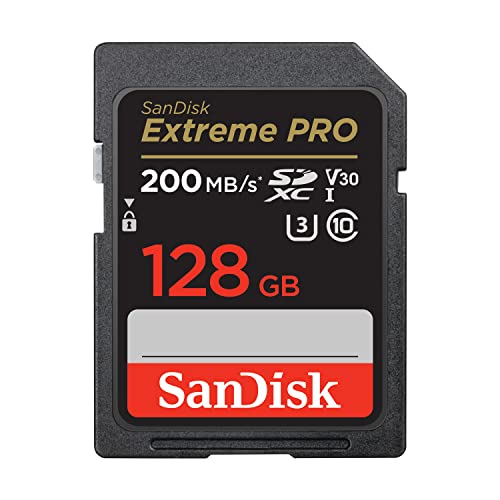
Designed for professional photographers, this 128GB Extreme PRO SD card leverages UHS-I technology to deliver high read speeds up to 200MB/s and fast write performance. SanDisk QuickFlow Technology helps reduce offload times, making long shoots and rapid-fire bursts more efficient. The card is compatible with devices capable of maximum UHS-I speeds and pairs well with the SanDisk Professional PRO-READER for even faster transfers. Typical use cases include wildlife, sports, and event photography where rapid data transfer minimizes downtime between shots.
Key features include up to 200MB/s read speeds and up to 90MB/s write speeds, with performance validated against internal tests. Note that actual speeds may vary by host device and conditions. Availability of SanDisk QuickFlow Technology varies by capacity, and not all devices will attain the top speeds. Storage capacity is a practical limit rather than a guaranteed maximum, and user data will occupy space on the card.
SanDisk 256GB Ultra SDXC UHS-I

The 256GB Ultra model is a practical choice for travel and everyday use, combining sizable storage with reliable Quick transfer speeds up to 150MB/s. It’s designed for compact to mid-range point-and-shoot cameras and is suitable for capturing large photo libraries and Full HD video. It offers solid read performance and ample space to handle extended shoots, with the typical caveat that some performance metrics may vary with device compatibility and usage conditions. This card emphasizes dependable performance with broad compatibility.
Typical transfer figures exceed 104MB/s in testing, but real-world speeds depend on host devices and card formatting. Data storage is computed with standard decimal bytes, so user available space may be slightly less than labeled. This card is also a good option when you need a balance of price, capacity, and speed for everyday shooting workflows.
SanDisk 256GB Extreme PRO SDXC UHS-I

This 256GB Extreme PRO SDXC card emphasizes high-speed performance with up to 200MB/s read speeds and up to 140MB/s write speeds in ideal conditions. Similar to other PRO-grade cards, it’s designed to minimize shutter lag and maximize burst sequences, making it well-suited for action photography and 4K video capture. The card supports pairing with professional readers to push speeds further. As with all high-speed cards, performance varies with device compatibility, firmware, and heat management during long shoots.
Capacity and speed together enable extended buffer clearing so you can keep shooting without pausing to offload. The card’s data integrity features and build quality support reliability in demanding field conditions. The QuickFlow compatibility is capacity-dependent and may not be available on every capacity variant, so verify your setup for optimal results.
SanDisk 256GB Extreme PRO SDXC UHS-II

With UHS-II, this card targets the fastest transfer speeds in the lineup, reaching up to 300MB/s read and write speeds. It’s built for high-end cameras and professional editors who need rapid offloads and efficient post-processing workflows, including 8K or high-frame-rate 4K video. The capacity supports extensive footage or large RAW photo libraries, reducing the need for frequent swaps during long shoots. Real-world speeds depend on host device compatibility, bus interface, and card formatting.
Potential benefits include faster file transfers to editors and quicker backup times. The card’s performance is particularly advantageous when working with advanced cameras that leverage UHS-II buses. It’s important to verify your camera and reader support before investing, as not all devices can exploit the extreme speeds of UHS-II, and price-per-GB can be higher than UHS-I options.
Sandisk Ultra 128GB SDXC UHS-I
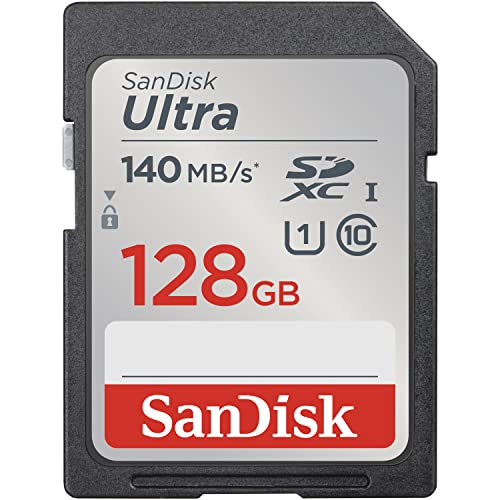
This Ultra-class card is positioned for everyday photographers who need reliable performance at a moderate price point. It offers up to 140MB/s read speeds and is suitable for compact to mid-range cameras and Full HD video. The 128GB capacity is a common starting point for hobbyists, travelers, and social media creators who shoot in high resolution but don’t require the largest available storage. While not the fastest option, it provides a dependable baseline for everyday shooting and standard workflows.
As with other SanDisk cards, actual speeds may vary by device and usage conditions. The card is part of a broad ecosystem of SanDisk memory solutions, offering compatibility with a wide range of cameras, drones, and other devices. It’s a straightforward choice for those who prioritize proven reliability over top-end speed.
Buying Guide: Key Considerations For Memory Cards
- Speed class and performance: In-camera buffer and editing speed depend on read and write speeds. For 4K or higher, look for C10, U3, V30 or higher and consider UHS-I vs UHS-II. UHS-II offers significantly faster data transfer but requires compatible devices and readers.
- Capacity needs: For stills-heavy shoots or 4K/8K video, larger capacities (64GB–256GB or more) reduce the need for frequent swaps. Balance budget against your typical project length and file sizes.
- UHS compatibility: Ensure your camera and card reader support the card’s speed class and bus interface to avoid bottlenecks. Some devices may bottleneck even the fastest cards.
- Durability and reliability: Look for cards designed for rugged environments, with water, temperature, and shock resistance. This is crucial for field work and travel.
- Brand ecosystem and software: Some cards offer companion readers or bundled software that optimizes transfers. Consider the value of ecosystem features for your workflow.
- Compatibility notes: Always verify device compatibility, especially when choosing high-speed UHS-II cards. Not all cameras support full UHS-II performance.
- Real-world expectations: Manufacturers publish theoretical speeds; actual performance varies by host device, formatting, and usage patterns. Plan accordingly in your workflow.