The right memory card speeds up your workflow and protects your footage. This guide targets camera users who need reliable, high-capacity cards for photo bursts, 4K video, and everyday shooting. The top picks cover professionals and enthusiasts alike, from extremePRO models to reliable Ultra series. Below, select five options, each explained for a specific use case, with a concise buying table and practical questions to help you decide.
| Product | Capacity | Best For | |
|---|---|---|---|
| SANDISK 128GB Extreme PRO SDXC UHS-I | 128GB | Professional photographers and 4K shooters | Up to 200 MB/s read, up to 90 MB/s write |
| SANDISK 256GB Extreme PRO SDXC UHS-I | 256GB | Multiday shoots and large video files | Up to 200 MB/s read, up to 140 MB/s write |
| SanDisk 64GB Ultra SDXC UHS-I | 64GB | Everyday photography and Full HD | Up to 140 MB/s read |
| SanDisk 128GB Ultra SDXC UHS-I | 128GB | Budget-friendly high-capacity option | Up to 100 MB/s read |
| 2 Pack Memory Card 64GB with Adapter (Bliksem) | 64GB each | Spare cards and value pack | Up to 80 MB/s read |
SANDISK 128GB Extreme PRO SDXC UHS-I Memory Card
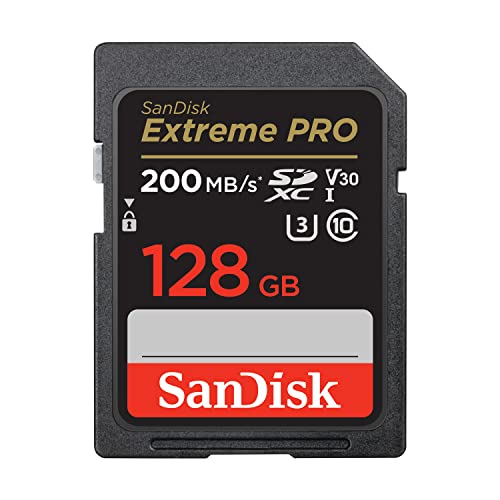
Features include card offload speeds up to 200 MB/s and 90 MB/s write, leveraging SanDisk QuickFlow Technology. This card is designed for photographers and videographers who need fast transfers and reliable 4K footage. It pairs well with professional readers for maximum throughput. Best for high‑end cameras and 4K recording workflows. A limitation to note is that actual speeds depend on host devices and conditions, so real-world performance may vary.
SANDISK 256GB Extreme PRO SDXC UHS-I Memory Card

With up to 200 MB/s read and up to 140 MB/s write speeds, this card targets serious videographers and sports photographers who need large, fast media for long shoots. It’s ideal for cameras that support high bit-rate 4K/6K-like capture or rapid-fire bursts. Best for pro-level gear and long recording sessions. Limitation: QuickFlow speeds are capacity-dependent and require compatible devices, so some setups may not reach the top speeds.
SANDISK 64GB Ultra SDXC UHS-I Memory Card
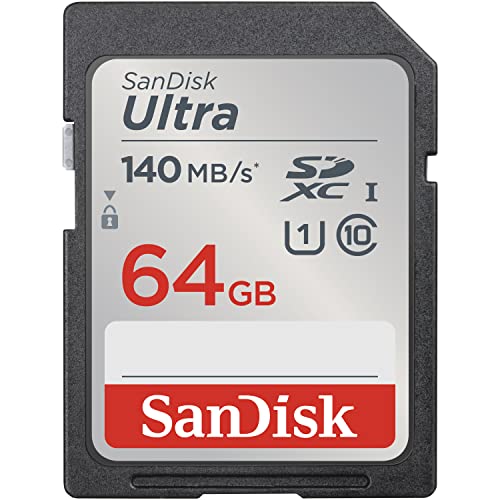
Best for general shooting and budget-conscious buyers seeking reliable Full HD performance. It offers solid read speeds up to 140 MB/s and adequate capacity for standard photo sets or family videos. Choose this if you want a dependable everyday card without the higher cost of PRO lines. Caution: Not designed for sustained 4K recording on most cameras due to lower write speeds compared to PRO models.
SanDisk 128GB Ultra SDXC UHS-I Memory Card
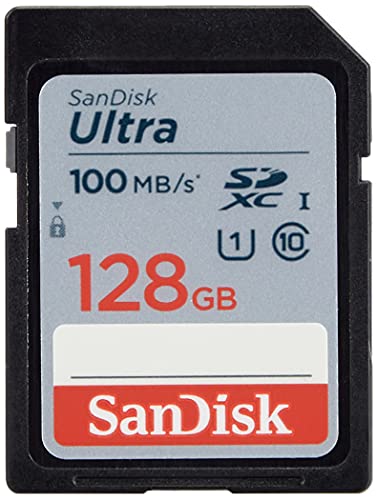
Best for photographers who need a large, reliable card with solid speed for everyday Full HD capture. This card covers a broad range of consumer cameras and camcorders, providing enough space for extended shoots. Limitation: Maximum write speeds may not meet the demands of high-frame-rate 4K recording on some devices.
2 Pack Memory Card 64GB With Adapter (Bliksem)

Best for value-focused buyers who want two spare cards in one purchase. The dual-pack provides flexibility across multiple devices, including cameras and drones. Best for travelers and hobbyists needing affordable backups. Limitation: Data transfer speeds up to 80 MB/s may be slower than higher-end Pro cards, especially for 4K workflows.
Buying Guide: Key Considerations When Choosing a Memory Card
- Capacity vs. budget: Higher capacities like 128GB and 256GB reduce swap frequency but cost more. Balance card count with total storage needs.
- Speed class and performance: Look for UHS-I or UHS-II ratings, write speeds, and compatibility with your camera’s maximum supported speed to avoid frame drops in 4K or burst modes.
- Video speed and reliability: V30 or higher ensures sustained 4K video. For RAW photo bursts, higher write speeds help prevent buffering delays.
- Durability and reliability: Consider cards with robust construction and proven endurance for long trips, cold environments, or dusty conditions.
- Reader compatibility: A fast card reader can unlock the full potential of high-speed cards. Pair high-end cards with a capable reader for maximum throughput.
- Device compatibility: Not all cameras support the same standards. Confirm your model’s max supported capacity and speed class before buying.
Frequently Asked Questions
- What is the difference between Ultra and Extreme PRO memory cards?
– Ultra cards emphasize everyday reliability and cost-efficiency, while Extreme PRO cards target higher speeds for 4K video and RAW bursts. - Do I need UHS-I or UHS-II cards for my camera?
– It depends on your camera’s compatibility. UHS-II offers higher speeds but many cameras only support UHS-I. - Is a larger capacity card better for video?
– Yes, larger capacity reduces the need to swap cards during long sessions, but ensure your camera and workflow support it. - Can I use the same card for stills and 4K video?
– Yes, but you may want a higher speed class (V30 or higher) for reliable 4K recording. - Do two smaller cards offer advantages over one large card?
– They help with redundancy and easier backup during shoots, though you’ll manage more cards. - What should I consider when choosing a card reader?
– Ensure it supports the card’s speed class and has a USB standard compatible with your computer.