Choosing the right memory card is essential for capturing high-resolution photos and smooth 4K video. This guide highlights five top-rated options from trusted brands, focusing on speed, capacity, and reliability to help American photographers and videographers find the best fit for their cameras. Each card is evaluated for quick offload, durable design, and broad compatibility with common camera models and action devices.
Summary of chosen products
| Product | Brand | Capacity | Key Speed Highlight |
|---|---|---|---|
| SanDisk Extreme Pro 128GB SDXC | SanDisk | 128GB | Read up to 200MB/s; Write up to 90MB/s |
| SanDisk Extreme 256GB SDXC | SanDisk | 256GB | Read up to 180MB/s; Write up to 130MB/s |
| SanDisk Ultra 256GB SDXC | SanDisk | 256GB | Read up to 150MB/s |
| SanDisk Ultra 128GB SDXC | SanDisk | 128GB | Read up to 100MB/s |
| Gigastone 256GB SD Card | Gigastone | 256GB | Read up to 100MB/s |
SanDisk Extreme Pro 128GB SD Card
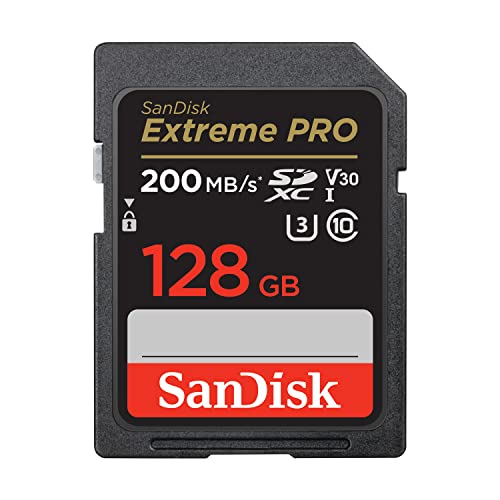
The SanDisk Extreme PRO 128GB SDXC card is designed for demanding shooting scenarios. It offers high sequential speeds ideal for 4K UHD recording and burst photography. Its 200MB/s read speed enables quick offloads to reduce downtime between shots, while consistent write performance supports sustained shooting sessions. The card is optimized for professional workflows, and its performance can be enhanced when paired with compatible readers, such as the SanDisk Professional PRO-READER SD and microSD, to extract maximum throughput. Internal testing demonstrates strong performance, though real-world results depend on the host device and conditions.
The QuickFlow technology referenced here is capacity-dependent and not universally available across every size; users should verify device compatibility. The 128GB capacity provides ample room for travel shoots or event coverage while keeping a compact form factor. For photographers who routinely shoot RAW and 4K, this card balances speed with capacity in a durable, compact package. Always format in-camera to ensure optimal performance and reliability for daily use.
SanDisk Extreme 256GB SD Card

The 256GB Extreme SD card from SanDisk delivers robust performance for high-demand cameras. With up to 180MB/s read speeds and up to 130MB/s write speeds, it handles fast file transfers and sustained recording, including 4K video. The card is built for photographers who shoot lengthy sessions and need reliable offloads to minimize downtime. Its capacity suits modern mirrorless and DSLR cameras that accumulate large files quickly, reducing the need to swap cards mid-shoot. As with all high-speed cards, using a compatible reader can unlock the full potential of the card’s transfer speeds.
This model emphasizes quick transfers and efficient workflow, making it a practical choice for event coverage, wildlife, or studio sessions. While the specific performance can vary with host hardware, users who value speed and reliability often choose the Extreme line for critical operations. Pairing with appropriate readers and devices helps maximize the card’s speed advantages in real-world use.
SanDisk Ultra 256GB SD Card

The SanDisk Ultra 256GB SDXC card offers solid capacity with dependable performance for everyday photography and Full HD video. It provides up to 150MB/s read speeds, which makes file transfers quicker and reduces the time you spend managing media. While this card is a strong all-around option for compact to mid-range point-and-shoot cameras, it remains a viable choice for enthusiasts who shoot occasional 4K or high-resolution bursts and want a balance between price and speed. Ensure your camera supports the card’s UHS-I interface to achieve the advertised speeds.
Used alongside a capable SD reader, the Ultra line can streamline workflows for travel photography and personal projects. The 256GB capacity reduces the frequency of card swaps on longer shoots, and the card’s reliability makes it a common fallback choice for many shooters who require consistent performance without breaking the bank. For best results, format in camera and periodically verify card health and integrity during extensive sessions.
Gigastone 256GB SD Card

This Gigastone 256GB SD card is positioned for 4K UHD video and camera use, offering up to 100 MB/s transfer speeds. The A1 rating indicates suitability for app-enabled devices, and its Class 10 designation supports stable video recording and photo capture. The 256GB capacity is well-suited for longer shoots, studio sessions, or travel days where card swaps are less frequent. The card is designed to withstand typical field conditions and includes a compact form factor suitable for many camera bodies and card readers.
In practice, Gigastone’s 256GB option provides a balance of capacity and speed for videographers and photographers who need a reliable card for 4K workflows. As with any memory card, it’s prudent to maintain backups, format correctly, and use a reputable reader to ensure you get as much performance as possible from the card’s specifications. Regular health checks help prevent data loss during critical shoots.
Buying Guide
Speed Class And Real-World Performance
Speed class determines how quickly a card can handle writing data. For photographers and videographers, higher read/write speeds translate to faster offloads and more reliable 4K capture. Look for cards labeled UHS-I U3 or V30 or higher, and verify real-world speeds provided by the manufacturer. Always test a new card with your specific camera and workflow to confirm it meets your needs, especially during continuous shooting or high-bitrate video recording.
Capacity And Longevity
Capacity affects how much media you can store before swapping cards. For most 4K video and RAW photography, 128GB or 256GB is common. If you shoot long events or prefer less downtime, larger cards can reduce interruptions. Choose reliable brands with a history of longevity, and consider pairing with one or two cards for redundancy in critical shoots. Being mindful of wear and tear, high-quality cards tend to last longer under regular use and temperature variations.
Durability And Reliability
Memory cards are exposed to dust, weather, and physical shocks. Many cards offer water, temperature, and X-ray resistance. While most consumer cards perform well, durability is especially important for fieldwork, sports, and adventure photography. It’s wise to keep a spare card in a protective case and avoid exposing cards to extreme conditions whenever possible. Regularly backing up footage minimizes risk of data loss from card failure.
Device Compatibility And Use Case
Not all cards work equally well with every camera. Some cameras benefit from higher-end UHS-I cards for 4K or high-speed bursts, while older models may cap performance. Always verify your camera’s supported SD speeds and formats. For professionals, pairing a high-speed card with the appropriate reader can unlock maximum performance. Consider your typical use case—stills, 4K video, or both—and choose a card whose speed and capacity align with that workflow.
Warranty And Data Recovery
Manufacturers’ warranties vary, with some offering extended coverage and data recovery services. In the event of data loss, a reputable recovery program provides a safety net. While data recovery is not guaranteed, selecting cards from brands that offer reliable support reduces risk and downtime. If data integrity is critical, consider cards that include a recovery option or a service plan to protect important media assets.
Price-To-Value Considerations
Prices for memory cards vary with capacity and speed. For many users, the best choice balances cost and performance: a mid-to-high range card with reliable speeds that meet your camera’s needs. If you frequently shoot 4K or burst RAW, investing in a faster card can save time and reduce workflow bottlenecks. Compare real-world speeds from independent reviews and factor in the total cost of ownership, including potential data recovery plans or extended warranties.