Transferring old film negatives and slides into digital photos helps preserve memories and simplifies sharing. This guide highlights practical, user-friendly scanners that convert 35mm, 110, 126 film, and slides into sharp JPEGs with convenient features like built-in LCDs, one-touch scanning, and optional SD card storage. Below are five top options chosen for compatibility with common film formats, ease of use, and value for money. Use the Buying Guide to compare specs and make the best choice for your needs.
Summary of Selected Products
- KODAK Slide N SCAN Film & Slide Scanner with 5” LCD
- Film & Photo Scanner with 5″ LCD Screen (DigitPro)
- Magnasonic All-in-One 24MP Film Scanner with 5″ Display
- Kodak Slide N Scan Max Digital Film Slide Scanner
- KLIM K2 Mobile Photo Digitizer 35mm
KODAK Slide N SCAN Film & Slide Scanner
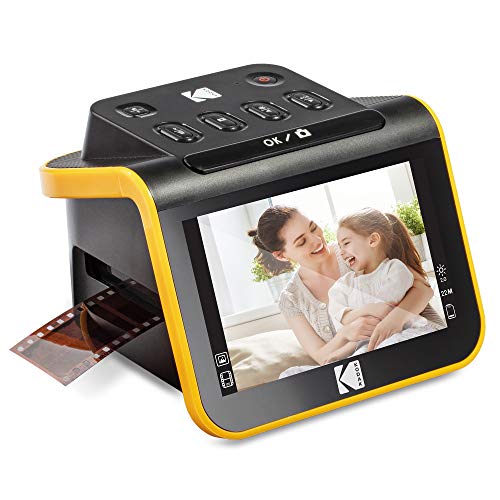
The Kodak Slide N Scan model offers 14.22 MP digital conversion for 135, 110, and 126 film formats, as well as 50mm slides. A 5” LCD with a gallery view lets you preview and edit images directly on the device, making it convenient for quick sharing or using the unit as a decorative digital frame. It supports saving to an SD card (not included) and includes a 50mm slide holder with adapters for common film sizes, plus cleaning tools and USB/HDMI cables for flexible setup.
Film & Photo Scanner With 5″ LCD Screen (DigitPro)

This 4-in-1 DigitPro scanner digitizes 35mm slides, 135/110 color and black-and-white negatives, plus printed photos and business cards. A 5″ LCD allows direct preview and basic edits without a computer. It performs fast stand-alone scanning, using built-in 128 MB memory and an included 8 GB SD card to store files. The design emphasizes simplicity and portability, ideal for consolidating old media in one device and reducing the need for a computer during digitization.
Magnasonic All-in-One 24MP Film Scanner
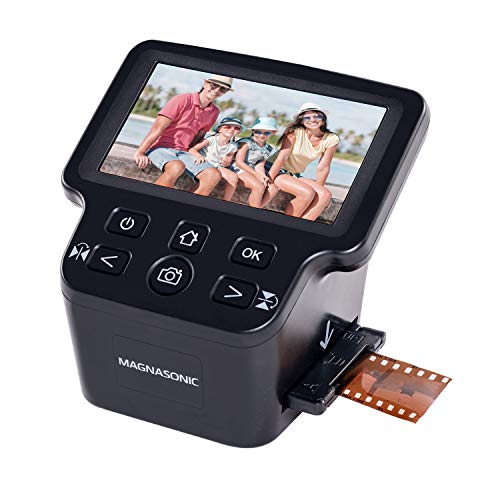
Magnasonic offers a 24 MP solution for 35mm, 110, 126, and Super 8 film, plus 135/126/110 slides. A built-in 5″ LCD supports direct viewing, and an HDMI option enables display on larger screens. The device includes built-in memory and an SD card slot for expanded storage, enabling easy archiving of a lifetime of photos. This model emphasizes high resolution and flexible viewing options for home viewing and archiving workflows.
Kodak Slide N Scan Max Digital Film Slide Scanner

The Slide N Scan Max supports 13/22 MP digital outputs for 135, 110, 126 negatives and 50mm slides, saving directly to an SD card (not included). It features a 7” LCD display with gallery mode for convenient previewing and editing. The unit emphasizes fast, easy loading with a tray system and includes adapters for multiple film formats, plus a USB cable for data transfer and power. It’s designed for sharing and displaying memories in a home or office setting.
KLIM K2 Mobile Photo Digitizer 35mm

The KLIM K2 focuses on mobile digitization of 35mm negatives and slides, with a value-oriented package that includes batteries, a cleaning cloth, and a magnetic plate for larger phones. It emphasizes smartphone-based digitization and offers an app to simplify the process. While it provides an affordable option, the device relies on a compatible phone and app to complete the workflow, making it a practical pick for on-the-go digitization of older film stock.
DigitPro Film And Slide Scanner (Second Model)

DigitPro’s film and slide scanner segment emphasizes a comprehensive all-in-one solution for digitizing 35mm, 50mm slides, and various negatives with a 5” LCD and built-in 128 MB memory plus SD card support. It highlights one-touch scanning and straightforward adjustments for color and brightness, enabling a simple, fast workflow for converting archival media into shareable JPEGs. The device is designed for users who want a straightforward, self-contained solution with room to expand storage.
Buying Guide: Key Purchase Considerations And Comparisons
Purpose and format support: Check which formats you need to digitize (35mm, 110, 126, slides, Super 8) and confirm the scanner supports those specifics. More formats usually mean a higher upfront cost, but fewer devices reduce complexity.
Resolution and quality: Look for scanners offering at least 14–22 MP capture for negatives and slides. Higher resolution can improve detail, especially for older film and fine-grain slides, but ensure the device handles color accuracy well and offers good brightness control on the LCD.
Display and workflow: A built-in LCD (5″ is common) allows previewing and basic edits without a computer. Consider if you want gallery mode for viewing, or if you prefer direct file transfer to a computer or SD card for a larger workflow.
Storage options: SD card compatibility is important. Some scanners come with internal memory; others require external cards. Confirm supported card sizes (e.g., up to 64 GB) and file transfer methods (USB or HDMI for viewing on a TV or monitor).
Ease of use: One-touch scanning and simple brightness/color adjustments appeal to casual users. More advanced models may offer software for resizing and batch processing, which is helpful for large archives but may add complexity.
Flexibility and size: Portable models like KLIM K2 prioritize smartphone integration, while larger units with bigger LCDs suit desk setups. Consider where you’ll work and how portable you need the device to be.
Future-proofing: If you plan to digitize a long-term project, select a scanner with reliable software updates or a proven track record for compatibility with standard file formats (JPEG, TIFF) and easy transfer to PCs or cloud storage.
Price-to-value: Compare features (screen size, format support, built-in memory, SD expansion) against the price. A higher upfront cost can be justified by faster workflows, better image quality, and fewer accessories needed later.
Support and warranty: Look for brands offering clear warranty terms, customer support, and readily available replacement parts or adapters for different film sizes. This reduces long-term risk in archival projects.
Summary of considerations: If you want a one-device solution with wide format support and a large display, a mid-to-high tier scanner with 5″ LCD and SD storage is typically the best balance. For mobile and quick captures, a smartphone-based option like KLIM K2 may fit budget and travel needs, while dedicated high-resolution models like Magnasonic or Kodak models suit serious archiving projects with more versatility in viewing on external displays.