The best way to rescue memories trapped on 35mm film, slides, and negatives is to digitize them with a dedicated scanner. This guide highlights five reliable options that convert old色 photographs and film into high-resolution JPEGs, with built-in screens for quick previews and convenient one‑touch scanning. Each model supports popular formats like 135, 110, and 126, and many include SD cards or built-in memory for stand‑alone use. Read on to compare features, screen sizes, and loading mechanisms to pick the right fit for preserving family history.
Summary of chosen products:
- KODAK Slide N SCAN Film & Slide Scanner — 5” LCD, 22MP, 135/110/126 support
- DigitPro Film & Photo Scanner with 5″ LCD — 22MP, 135/110 slides and photos
- Kodak Slide N Scan Max Digital Film Slide Scanner — 7” LCD, 22MP
- DigitConvert Digital Film & Slide Scanner — 22MP, 5” LCD
- ClearClick QuickConvert 2.0 — 14/22MP interpolated, 5” LCD, standalone
KODAK Slide N SCAN 22MP Film & Slide Scanner
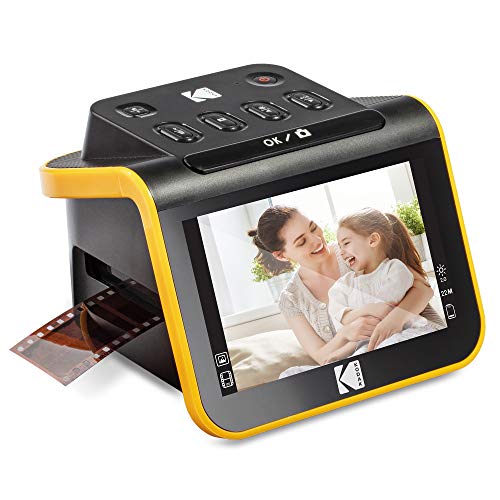
The KODAK Slide N SCAN offers a built-in 5-inch LCD display for on-device preview and editing, making it easy to view negatives and slides before saving. It supports 135, 110, and 126 film formats and 50mm slides, with direct save to SD card (card not included). The device emphasizes a quick-Load tray for continuous scanning, and it ships with a 50mm slide holder plus adapters and cleaning tools to simplify digitizing old memories.
Key features include a 1422MP-equivalent capability for color and black‑and‑white negatives and a user-friendly workflow that reduces handling steps. While some users may want larger displays, the built‑in screen makes instant assessments practical, especially for sharing in gatherings or framing memories as a digital picture frame in home or office environments.
DigitPro Film & Photo Scanner With 5″ LCD

DigitPro’s 4‑in‑1 scanner handles 35mm slides, 135 and 110 color and B&W negatives, and even printed photos and business cards. A built-in 5″ LCD preview screen lets you adjust brightness, color, and resolution on-device, reducing the need for a computer. The scanner includes 128MB memory and an 8GB SD card, supporting stand-alone operation for quick digitizing sessions. This model is ideal for households with diverse media types seeking an all-in-one solution.
Pros include straightforward one‑touch scanning, no software installation, and the ability to preview edits instantly. Depending on the volume of material, you may appreciate the integrated storage and the option to use the SD card for easy transfer to a computer later. The 5″ screen is a practical middle ground between compact devices and larger, multi‑function scanners.
Kodak Slide N Scan Max Digital Film Scanner

The Slide N Scan Max expands the display size to a 7” LCD, delivering clear previews and easy editing for 13/22MP capture. It supports 135, 110, 126 film formats and 50mm slides, with direct saving to an SD card (not included). Its quick‑loading tray design facilitates rapid scans, which is beneficial for larger archives. The unit’s color accuracy and strong preview screen help users assess restoration needs before saving files.
This model’s larger screen is particularly helpful when evaluating fades, color shifts, or damage on older slides. The included adapters, slide holder, and cleaning tools reduce preparation time, making it a balanced option for long-term archiving projects or casual family digitization efforts alike.
DigitConvert 5-Inch LCD Film & Slide Scanner

DigitConvert’s 22MP scanner emphasizes color and black‑and‑white negatives (135/110/126) and 50mm slides, plus Super 8 scans. It includes a 5″ LCD with gallery mode for immediate previews and edits, and supports saving to the built-in memory or an SD card. The software-free, one‑button scanning approach is designed for quick digitization without a computer, making it suitable for families who want fast conversion with minimal setup when reliving memories.
The device doubles as a digital photo frame when not actively scanning, offering a straightforward path from film to display. It is especially convenient for users seeking a compact, self-contained option that emphasizes ease of use and portability alongside reliable scan quality.
DigitPro Film and Slide Scanner — 22MP 5” LCD

DigitPro’s all-in-one scanner focuses on preserving memory by converting 35mm negatives, 126/110 films, and 50mm slides to 22MP JPEGs. It uses a 5″ LCD for immediate preview and provides straightforward color and brightness adjustments. The built-in memory plus SD card support makes stand-alone operation feasible for quick archiving sessions. The device’s simple interface is designed for users who want dependable results without complex software or long setup times.
The model’s emphasis on high‑quality digital conversions from a variety of formats makes it a practical pick for preserving mixed media collections. Its compatibility with both monochrome and color media helps ensure valuable memories are captured accurately for future viewing.
Buying Guide: Key Considerations For Choosing An Old Negatives To Digital Photos Scanner
- Format compatibility: Ensure the scanner supports your film formats (35mm/135, 110, 126, 50mm slides) and any additional media like Super 8, if applicable. Some models also handle printed photos and business cards.
- Display size and quality: A larger LCD (5″–7″) helps preview and edit without a computer. Consider viewing angles and color accuracy for reliable on-device edits.
- Storage options: Look for built-in memory and SD card support (often up to 32–64GB). Stand-alone operation is convenient for quick digitization without a computer.
- One‑touch scanning: Devices with a simple “Scan” button or single‑step workflow reduce setup time and make routine archiving faster.
- Editing and presets: Some scanners offer on-device brightness, color, and date/time adjustments. Software compatibility can aid in batch processing if needed.
- Physical loading: Quick-feed or easy-load trays help with continuous scanning. A reliable slide holder and adapters minimize manual handling.
- Power and portability: Consider whether you need a corded model for home use or a portable option with battery power for travel or temporary setups.
- Future-proofing: If you plan to digitize large archives, choose a scanner with robust build quality, good warranty coverage, and reliable customer support.
Across the options, buyers should weigh screen size against overall footprint, assess whether stand-alone operation is essential, and consider how much media variety they plan to digitize. For households prioritizing quick, on-device previews and ease of use, models with 5″ to 7″ LCDs and straightforward one-tap scanning typically deliver the most practical value. For enthusiasts or archival projects requiring batch processing or larger, high‑resolution outputs, a model with stronger scan capabilities and larger displays can be worth the investment.