Answer: For photo editing on a pen-enabled tablet, look for models that combine accurate pressure sensitivity, a natural pen-to-paper feel, and broad software compatibility. This guide highlights five options suited for different creators—from students and teachers to professionals working on Chromebooks or Windows/Mac. The top picks below balance precise control, portability, and value, with notes on ideal use cases and limitations.
| Product | Best For | Why It Stands Out |
|---|---|---|
| Wacom Intuos Small (Bluetooth) | Students and creators on the go | Battery-free pen, broad software compatibility, wireless option |
| HUION Inspiroy H1060P | Digital artists needing many shortcut keys | Large drawing area, tilt support, 12 hotkeys |
| XP-Pen StarG640 | Compact travel drawing and note-taking | Ultra-slim, battery-free pen, highly portable |
| HUION Inspiroy Frego | Clear canvas with flexible connectivity | Bluetooth or USB-C, long battery life, pen with two side keys |
| XP-Pen Artist13.3 Pro (Drawing Tablet with Screen) | creators wanting a screen for direct editing | Full color display, tilt support, strong color gamut |
Wacom Intuos Small Graphics Drawing Tablet
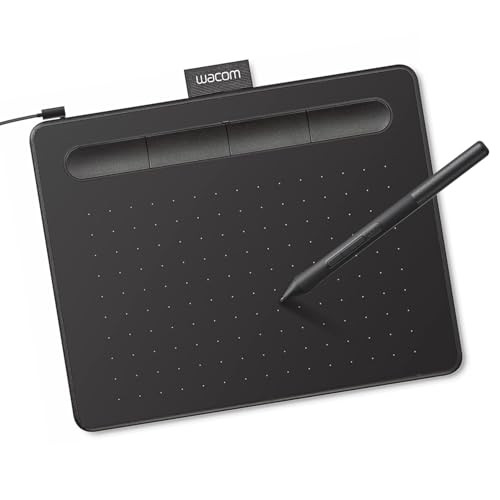
Best for: Students and content creators who need a reliable, pen-focused experience across multiple platforms. The EMR, battery-free pen delivers a pen-to-paper feel, and the tablet works with any software, making it versatile for photo editing, sketching, and document markup. Selected for its balance of portability and performance in a compact form.
Key considerations: The Wacom Intuos line excels in precision and natural drawing feel, but it lacks a built-in screen. Choose this if you prefer a dedicated drawing surface and plan to use it with a computer or Chromebook via USB/Bluetooth.
Cautions: As a non-screen tablet, edits must be done in your computer’s display—this can slow workflows that rely on seeing edits directly on the tablet surface.
HUION Inspiroy H1060P Graphics Tablet
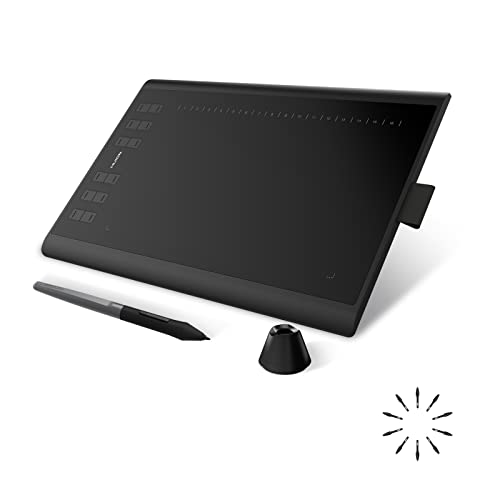
Best for: Digital artists and editors who benefit from a larger work area and extensive shortcut customization. The 10 x 6.25 inch working area, 12 programmable keys, and a battery-free stylus with tilt support help streamline complex photo-editing workflows.
Why selected: A robust balance of space, responsiveness, and programmable keys makes it a strong companion for photo editing and design tasks, especially when keyboard shortcuts speed up repetitive steps.
Limitation: Larger size reduces portability compared to smaller tablets; consider your work environment and travel needs when selecting.
XP-Pen StarG640 6×4 Inch Drawing Tablet
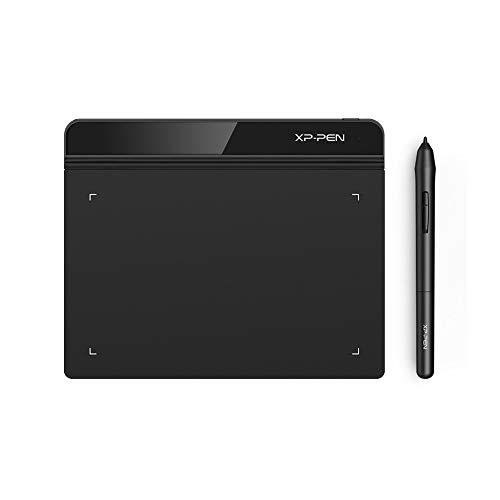
Best for: On-the-go editing and note-taking where space is at a premium. The StarG640 uses a battery-free pen and a compact 6×4 inch surface, making it a practical travel companion for light photo editing and annotations.
Why selected: Its ultra-slim profile and battery-free pen provide dependable performance in tight spaces, with sufficient sensitivity for basic retouching workflows. Caution: smaller active area may feel cramped for detailed edits.
HUION Inspiroy Frego Medium Wireless Tablet

Best for: Creators who want flexible connectivity and a clean workspace for photo editing. The 10 x 6.25 inch area, Bluetooth or USB-C options, and pen with programmable side keys support streamlined workflows across devices.
Why selected: Flexible connectivity and a generous drawing area suit versatile editing tasks without being tethered to one setup. Limitation: It lacks physical shortcut keys on the surface, relying on driver-based shortcuts instead.
XP-Pen Artist13.3 Pro Drawing Tablet with Screen
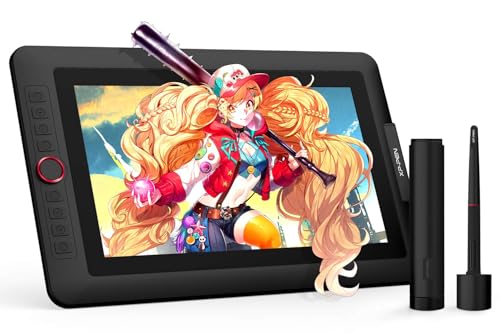
Best for: Professionals and enthusiasts who want direct-on-screen editing with accurate color and pen input. This drawing tablet with a 13.3-inch display supports tilt and offers robust color performance for photo editing tasks.
Why selected: A built-in display reduces the disconnect between edits and results, enabling more precise retouching and painting workflows. Caution: Larger screen and setup may require more desk space and power management considerations.
Buying Guide
- What size active area should I choose? For photo editing, a larger surface (6×10 inches or bigger) often improves precision and comfort, especially if you work with detail-heavy images.
- Do I need a screen on the tablet? A pen-only tablet is lighter and cheaper, but a display tablet lets you edit directly on-screen, which can speed up retouching and give more intuitive results.
- What about pen sensitivity and tilt? Look for at least 8192 levels of pressure and tilt support for natural line variation and shading in editing tasks.
- Is wireless connectivity important? Bluetooth or USB-C options add flexibility for different workspaces, but ensure driver compatibility with your operating system.
- How many shortcut keys do I need? More programmable keys can speed up common edits (crop, erase, brush size, zoom). If you often switch tools, a model with 12+ hotkeys is advantageous.
- Which software compatibility matters? Most tablets work with major editors (Photoshop, Lightroom, GIMP). Confirm driver support for your preferred OS and apps.
FAQ
- Are these tablets compatible with Chromebooks? Many models work with Chromebooks via Android app support or USB-C, but check each product’s compatibility notes and driver availability.
- Do I need a battery-free stylus? Battery-free pens reduce maintenance and charging hassles, offering reliable drawing performance for long editing sessions.
- Can I use a drawing tablet for photo editing in Lightroom or Photoshop? Yes. Tablets act as input devices to control brushes, filters, and retouching tools, improving precision and workflow speed.
- Is a screen necessary for beginners? No. A pen-only tablet can be a great starting point and is often more portable and affordable, while screen tablets are best for direct visual feedback.
- Do these devices require drivers? Yes. Install the manufacturer’s drivers to enable pressure sensitivity, tilt, and keyboard shortcuts, and keep drivers updated for compatibility.
- What should I consider when choosing between Wacom, HUION, and XP-Pen? Consider pen feel, active area size, shortcut availability, and whether you prefer a dedicated drawing surface or an integrated display for editing tasks.