Answering the needs of photographers and hobbyists alike, this guide highlights memory cards that excel in photo storage, fast offload speeds, and dependable performance across common cameras and devices. The top picks are well-suited for: professionals needing rapid transfers, travel shooters seeking reliable backup, and hobbyists upgrading from basic cards. A quick reference table below compares the five highlighted products.
| Product | Capacity | Best For | Key Benefit |
|---|---|---|---|
| SANDISK 128GB Extreme PRO SDXC | 128GB | Professional shoots | High-speed offload up to 200MB/s |
| SanDisk 128GB Ultra SDXC UHS-I | 128GB | Everyday photography | Balanced speed and value |
| SANDISK 256GB Extreme PRO SDXC UHS-I | 256GB | 4K and burst shooting | Very high speeds for large files |
| SANDISK 64GB Extreme PRO SDXC UHS-I | 64GB | Compact cameras, travel | Fast offload with QuickFlow |
| SanDisk Ultra 64GB SDXC UHS-I | 64GB | Casual shooters | Reliable Full HD support |
SANDISK 128GB Extreme PRO SDXC UHS-I Memory Card
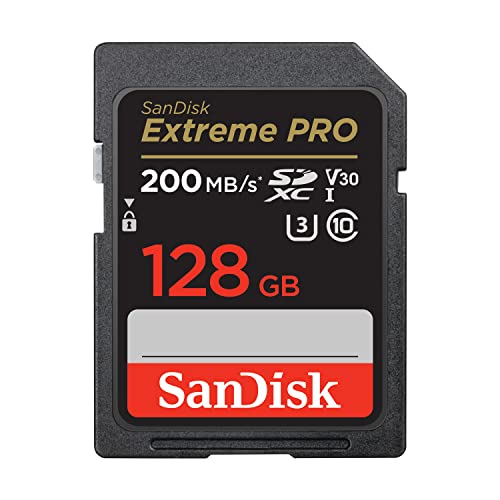
The 128GB Extreme PRO card targets professionals and high-volume shooters who need rapid transfers and dependable performance. It supports up to 200MB/s read speeds with SanDisk QuickFlow Technology and up to 90MB/s write speeds depending on the host device. Best for photographers who offload large RAW files or 4K video to speed up post-processing. A limitation is that QuickFlow is capacity-specific, meaning not all capacities unlock its full speed potential.
Best for: Professional photographers who require fast offload and reliable performance with 4K and burst shooting. Not ideal: If your device cannot sustain high read/write speeds, you may not see the maximum benefit.
SanDisk 128GB Ultra SDXC UHS-I Memory Card
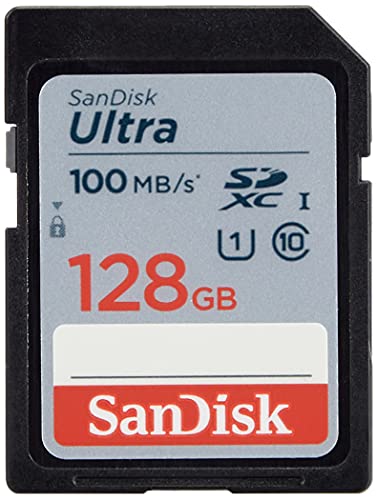
The Ultra line emphasizes everyday reliability and value. With up to 100MB/s read speeds and robust compatibility for compact to mid-range point-and-shoot cameras, this card holds a solid balance for general photography and Full HD video. It’s a practical choice for travelers or hobbyists updating from lower-capacity cards. A limitation is that sustained write speeds can be lower than PRO models, which may affect high-frame-rate bursts.
Best for: Casual shooters and travelers who want dependable storage without premium price. Choose this if: you don’t require top-tier write speeds for high-speed bursts.
SANDISK 256GB Extreme PRO SDXC UHS-I Memory Card

The 256GB Extreme PRO card is designed for high-resolution capture workflows requiring expansive storage with rapid offload. It advertises up to 200MB/s read speeds and up to 140MB/s write speeds, aiding 4K video and high-speed shooting. Availability of maximum speeds depends on host device compatibility, and QuickFlow is noted as capacity-specific. This card is best for professionals who frequently shoot large RAW files or 4K footage and need large on-card capacity.
Best for: 8K-ready or 4K workflows with big photo files or video. Better for: Users who stock up large projects and need reduced card changes mid-shoot.
SANDISK 64GB Extreme PRO SDXC UHS-I

This 64GB Extreme PRO card emphasizes speed and efficiency in a compact capacity. It features up to 200MB/s read speeds with QuickFlow and up to 90MB/s write speeds, delivering fast offload for mobile and mirrorless cameras. The capacity is smaller, so it’s best for projects with shorter durations or when you manage space carefully. It’s a strong option for travelers who need quick backups without carrying multiple cards.
Best for: Travellers and compact-camera users who prioritize speed in a small card. Limit: Limited capacity means frequent card swaps for large shoots.
SanDisk Ultra 64GB SDXC UHS-I

The Ultra 64GB card balances reliability and cost for casual shooters and basic Full HD recording. It supports SDXC I devices and is a practical upgrade from older SD formats. A caveat is that older versions of similar capacity cards may be superseded by newer, faster models; ensure device compatibility with SDXC I cards. This card remains a solid, budget-friendly option for everyday photography.
Best for: Beginners and hobbyists upgrading from older SD cards. Choose this if: you want a straightforward, affordable storage upgrade with dependable Full HD support.
Buying Guide
What to consider when choosing memory cards for photography
- Capacity vs. shooting needs: More capacity reduces card swaps but increases size. For 4K or RAW bursts, 128GB–256GB is common; 64GB can suffice for casual shoots.
- Speed class and write speeds: Look for C10, U3, V30 ratings for reliable 4K and continuous shooting. High read speeds help with faster offload to a computer.
- Device compatibility: Not all cards reach the advertised speeds unless paired with compatible cameras and readers. Check host device support for UHS-I vs UHS-II interfaces and QuickFlow availability.
- Reliability and workflow: PRO-grade cards offer robust endurance for professional workflows. Consider pairing with a high-speed card reader for maximum offload efficiency.
- Durability and usage conditions: Some cards are designed for harsher environments and longer-term archival storage. Consider weather resistance and warranty terms relevant to your projects.
How to choose between PRO and Ultra lines
PRO cards target professionals who shoot at high frame rates or 4K/8K workflows, prioritizing speed and reliability. Ultra cards emphasize everyday reliability and value, suitable for casual photographers and travelers. If you frequently back up large files or need rapid transfers, PRO is typically the better choice; for general use and budget-conscious users, Ultra offers solid performance.
Storage strategy tips
- Always format new cards in-camera when possible to minimize file system issues.
- Use a reliable reader to maximize transfer speeds, especially with high-capacity cards.
- Keep multiple cards on longer shoots to avoid running out of space mid-session.
FAQ
- What does UHS-I mean for memory cards? – UHS-I is a bus standard that affects transfer speeds; UHS-I cards can reach higher read/write speeds on compatible devices.
- Is 128GB enough for 4K video? – For many 4K workflows, 128GB is adequate for a day’s shoot, but larger projects may require 256GB or more.
- Should I buy multiple 64GB cards or one 256GB card? – Multiple smaller cards can reduce risk of data loss; a single large card simplifies management, depending on your backup workflow.
- Can I use SDXC cards in all cameras? – Not all cameras support SDXC; check your camera’s compatibility with SDXC or SDHC formats.
- What is QuickFlow Technology? – QuickFlow is SanDisk’s technology to boost read/write performance on selected capacities, enabling faster offload when paired with compatible readers and devices.
- Are PRO cards worth the extra cost? – For professionals and demanding workflows, PRO cards offer improved speeds and reliability which can save time during editing and delivery.