Film photography remains a beloved medium for color, texture, and depth. This guide highlights five 35mm color negative films that are well-suited for enthusiasts and hobbyists alike, with emphasis on color fidelity, exposure latitude, and practical packs for travel and shoots. Whether you’re capturing landscapes, portraits, or everyday moments, these films offer reliable performance and distinctive archival quality. Explore each option, compare versatility, grain, and color rendering, and find the best match for your camera and light conditions.
| Product | Brand | Exposure | Pack Size |
|---|---|---|---|
| Kodak Ultramax 400 Color Print Film | KODAK Store | 36 Exposures per roll | 3 x 36 exp |
| FUJIFILM 400 Color Negative Film | Fujifilm Store | 36 Exposures per roll | 3 x 36 exp |
| Fujifilm Fujicolor 200 Color Negative Film | Fujifilm Store | 36 Exposures per roll | 3 x 36 exp |
| Kodak Gold 200 35mm Film Bundle | Kodak Brand (Kodak Gold) | 36 Exposures per roll | 3 x 36 exp |
| FUJIFILM 200 Color Negative Film | Fujifilm Store | 36 Exposures per roll | 3 x 36 exp |
Kodak Ultramax 400 35mm Film — Vivid Everyday Color

Kodak Ultramax 400 is a versatile color print film designed for everyday photography. With ISO 400, it performs well in a variety of lighting conditions, delivering natural skin tones and balanced colors. The 36 exposures per roll provide a practical balance for travel, street, and casual portrait sessions. This three-pack offers cost-effective value for shooters who want reliable results across multiple shoots or projects.
FUJIFILM 400 Color Negative Film — Vibrant Color for Outdoors
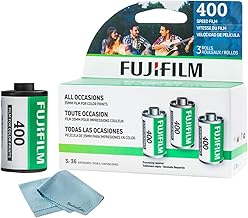
Fujifilm 400 Color Negative Film provides vibrant color reproduction and strong contrast, ideal for landscapes, portraits, and everyday scenes. Each roll contains 36 exposures, making it suitable for extended shoots or travel. ISO 400 offers reliable performance in well-lit and somewhat challenging lighting, helping render natural skin tones and pleasing color fidelity across scenes.
Fujifilm Fujicolor 200 Color Negative Film — Balanced Grain

Fujicolor 200 is a classic choice for color transparency with balanced grain and dependable color response. The 200 ISO rating makes it versatile for a range of lighting scenarios, from sunny outdoor days to indoor settings with supportive lighting. With three 36-exposure rolls per bundle, it’s a straightforward option for casual shooters who want consistent color reproduction and ease of use.
Kodak Gold 200 35mm Film Bundle — Warm, Rich Tones

Kodak Gold 200 delivers warm, vibrant colors with fine grain and good tonal range, making it a favorite for portraits and outdoor scenes. The 200 ISO rating strikes a balance between exposure latitude and grain control, offering dependable performance in varied lighting conditions. This triple pack provides ample material for experimenting with different lighting setups and subjects.
FUJIFILM 200 Color Negative Film — Everyday Versatility

Fujifilm 200 offers solid color reproduction with fine grain, suitable for portraits, landscapes, and snapshots. The 36-exposure rolls ensure enough film for multiple outings, while ISO 200 provides reliable performance across a broad range of lighting. This bundle emphasizes versatility for everyday photography with 35mm film cameras.
Buying Guide: Key Considerations for 35mm Color Film
When selecting a color negative film, photographers weigh color rendition, grain, exposure latitude, and the intended use. ISO 200 films tend to render fine grain and sharp detail, making them ideal for controlled lighting and studio-like conditions. ISO 400 films offer greater flexibility in variable lighting, with slightly more grain but better performance in low light or quick shooting scenarios. Color balance and saturation vary by brand and emulsion; warm tones may flatter portraits, while neutral to cool tones might be preferred for landscapes. Packaging and pack size matter for travel and ongoing projects—three-roll bundles can be cost-effective and convenient.
Practical tips for shooting with 35mm color film include metering for the lighting conditions, using a small aperture to maintain depth of field in portraits, and validating exposure with a light meter or camera metering system. Development and scanning quality influence the final look as much as the film choice; consider reputable labs or trusted scanning settings to preserve color accuracy and dynamic range. For enthusiasts, experimenting with different brands and emulsions can reveal subtle differences in color bias, contrast, and grain pattern that define a photographer’s signature style.
Another consideration is compatibility with camera systems and film format. Most 35mm film is compatible with standard SLRs and rangefinders, but some enthusiasts explore high-contrast or specialty stocks for creative effects. For travel or street photography, a versatile ISO 400 option can deliver reliable results across changing light, while 200 ISO options excel in daylight and well-lit interiors. Bundled packs provide a convenient way to sample multiple emulsions without committing to a single stock, supporting an experimental approach to color photography on film.