Seeking a portable monitor to pair with a camera or rig for better framing, focus, and exposure? This guide highlights five suitable options that balance portability, input options, and image quality. Each model serves different shooting contexts—from on-camera field monitoring to laptop-based editing setups. The best pick depends on whether you need ultra-compact size, HDMI/USB-C versatility, or built-in pro features for focus and exposure. Below, discover who each monitor is best for and why it stands out.
| Product | Brand | Best For | Key Input Options |
|---|---|---|---|
| BOLEVIC 7 Inch HD Display | BOLEVIC | On-camera and Raspberry Pi setups | HDMI, VGA, AV |
| FEELWORLD FW759 | FEELWORLD | DSLR/mirrorless monitoring on the go | HDMI, AV |
| Anyuse PM-156P1 | Anyuse | Travel and multi-device pairing | 2x USB-C, Mini HDMI |
| KYY 15.6″ | KYY | Dual-monitor setups for laptops and consoles | 2x USB-C, Mini HDMI |
| Hikity 10.1″ | Hikity | Compact external monitor for cameras and media players | HDMI, VGA, AV, USB |
The following sections explain why each model is a strong option for camera work, along with practical pros, limitations, and who should consider them. Use this as a quick reference to match your workflow with the right portable monitor.
BOLEVIC 7 Inch HD Display Review
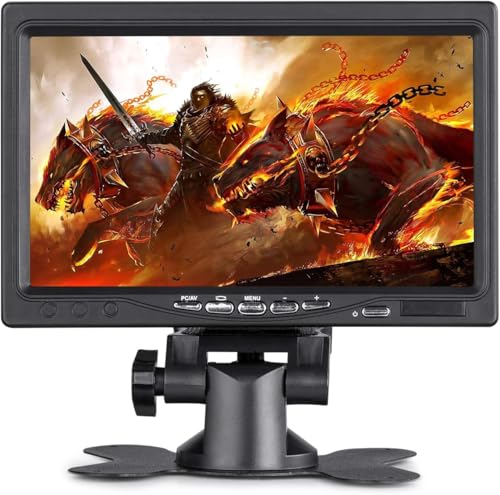
The BOLEVIC monitor offers a compact 7-inch screen with 1024×600 resolution and IPS panel quality. It accepts HDMI, VGA, and AV inputs, making it versatile for in-vehicle setups, Raspberry Pi projects, and portable video devices. It’s best for shooters who value wide compatibility and simple, low-profile attachment options. A caution: the smaller display size may limit detailed focus checks in busy shooting environments. Ideal for in-car rigs, field work, and lightweight rigs requiring multiple input types.
FEELWORLD FW759 DSLR Field Monitor
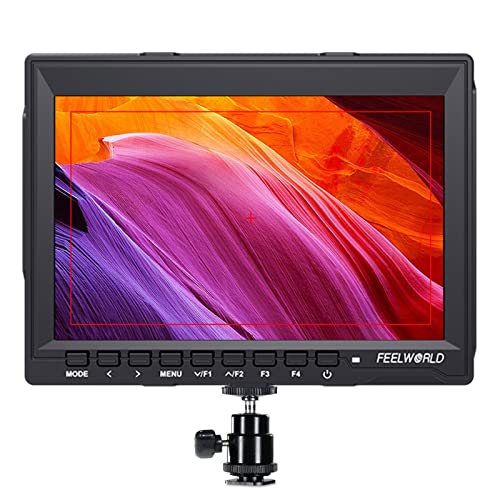
The FEELWORLD FW759 is a 7-inch IPS field monitor with 1280×800 resolution and 400 nits brightness. It is designed for DSLR and mirrorless cameras with HDMI input, and it supports 4K HDMI sources. It suits shooters who need precise color and good exposure tools on the move. Pros include a slim, portable profile and robust color reproduction. Limitation to note: higher brightness and advanced focus tools may come at a higher cost compared to basic portable displays.
Anyuse PM-156P1 Travel Monitor

The Anyuse PM-156P1 emphasizes broad device compatibility with two USB-C ports and a Mini HDMI port. It’s a strong choice for travelers and on-the-go editors who want one cable solutions when connecting laptops, consoles, and cameras. The product is best for multi-device environments where quick switching matters. A potential drawback is device compatibility nuances with Thunderbolt USB-C DP Alt Mode—verify your device supports it before buying.
KYY 15.6″ FHD Portable Monitor
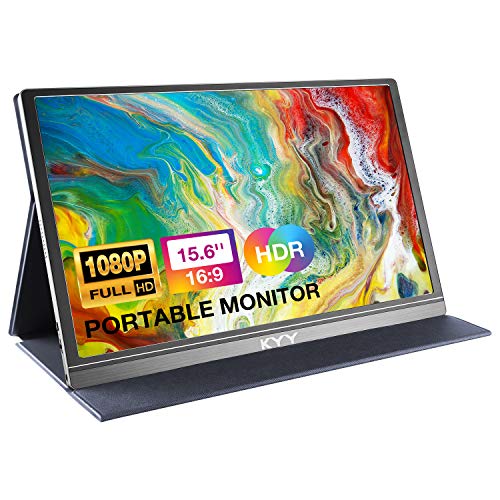
The KYY 15.6-inch monitor delivers 1920×1080 resolution with an IPS panel, supporting HDR and a wide color range. It features dual USB-C and Mini HDMI ports for flexible connections to laptops, consoles, and phones. This model is best for users who need a larger external display while maintaining portability and a simple one-cable setup. A limitation is the 2.7-pound weight, which is heavier than ultra-compact options and may affect rig balance for small cameras.
Hikity 10.1 Inch Portable Monitor
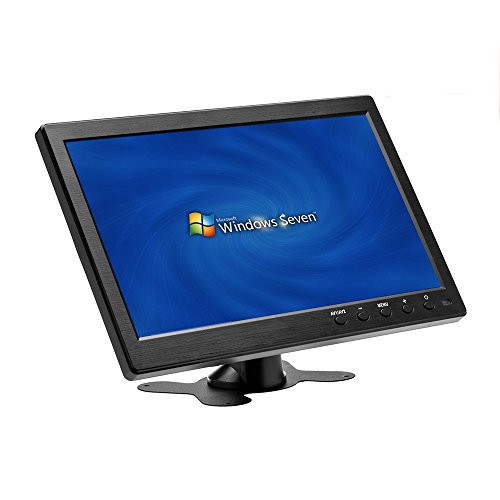
The Hikity 10.1-inch monitor provides a versatile multi-input setup with HDMI, VGA, AV, and USB. It includes a remote for convenient adjustments and built-in speakers for quick audio monitoring. This model is best for small studios or field kits that require a larger screen without a heavy rig. A caveat: the built-in speakers may not replace external monitors in loud environments, and you may want to pair it with external audio if high-quality sound is critical.
FEELWORLD FW759 On-Camera Monitor (Second Reference)

The FW759 in this placement reinforces its role as an on-camera solution, offering focus tools like peaking, histogram, and false color. It’s suited for shooters who want reliable exposure and focus checks during live shoots. Choose this if you need robust monitoring features without a bulky setup. Caution: check compatibility with your camera’s HDMI output format to ensure seamless signal handling.
Buying Guide: Key Considerations For Camera Use
- Screen size vs portability: Smaller displays are lighter and sleeker but harder to judge focus. Larger panels offer detail but add weight.
- Input variety: HDMI is common on cameras; Mini HDMI and USB-C provide modern plug-and-play options. Ensure your camera and accessories match the monitor inputs.
- Color accuracy and tools: For serious video work, look for monitors with IPS panels, accurate color reproduction, and features like focus peaking, histogram, and exposure tools.
- Power and mounting: Consider built-in stands, VESA compatibility, or brackets. Some units include sun shades for outdoor use and light-hungry environments.
- Budget vs features: Basic portable displays cover essential needs; pro-oriented models add LUTs, waveform monitoring, and reliability in varying lighting.
FAQ
- What is the best portable monitor for camera work? The ideal choice depends on your kit. For on-camera use with focus tools, FEELWORLD FW759 and FEELWORLD S55 V3 are strong options due to their exposure tools and compact size.
- Do I need a high-brightness monitor for outdoors? Yes, higher brightness (around 400 nits) improves visibility in sunlight, especially when using sunshades that reduce glare.
- Can USB-C replace HDMI in all these monitors? Some monitors support USB-C as a video input, but compatibility depends on your device’s USB-C output class (DP Alt Mode or Thunderbolt).
- Should I pick a larger monitor for editing on the go? If you do frequent on-site editing or review footage on-site, a larger screen (around 15.6 inches) improves detail and comfort.
- Are built-in speakers necessary? Built-in speakers are convenient for quick checks, but external monitors or headphones typically offer better sound accuracy for critical audio work.
- Do these monitors require drivers? Most portable monitors are plug-and-play and do not require drivers, but some devices may need specific compatibility checks with USB-C or HDMI signals.