If you’re shopping for an SD card to pair with a digital camera, you need memory that’s fast, dependable, and compatible with your device. This guide highlights five solid options that cover a range of needs—from budget-friendly paths to high-speed capacities for 4K video and continuous shooting. The top picks are best for beginners and hobbyists, enthusiasts who shoot 4K, and professionals needing reliable offload speeds. A quick comparison table is provided below to help you decide at a glance.
| Product | Capacity | Key Benefit |
|---|---|---|
| SanDisk 32GB Ultra 100MB/s SDHC | 32GB | Balanced entry-level option with solid read speeds for everyday photos |
| SANDISK 128GB Extreme PRO SDXC UHS-I | 128GB | High-speed offload and 4K readiness for advanced shooting |
| SANDISK 64GB Ultra SDXC UHS-I | 64GB | Great all-around choice for point-and-shoot to mid-range cameras |
| SanDisk 64GB Extreme PRO SDXC UHS-I | 64GB | Premium performance for rapid bursts and high-resolution video |
| SanDisk Ultra 16GB Class 10 SDHC | 16GB | Compact, budget-friendly option for basic photography needs |
SanDisk 32GB Ultra 100MB/s SDHC Memory Card

Best for: Entry-level photographers and casual shooters needing reliable everyday storage. This card provides dependable performance for standard HD stills and video, making it a solid starter option for compact and mid-range cameras.
Why it’s selected: It offers a balanced capacity and transfer speed for smooth file handling without overspending. The card’s 32GB capacity suits beginners who don’t shoot in high-volume bursts or 4K video frequently.
Caution: Data transfer speeds may vary with older readers or devices not supporting higher UHS-I speeds. Consider higher capacities if you capture many RAW files or longer clips.
SANDISK 128GB Extreme PRO SDXC UHS-I Memory Card
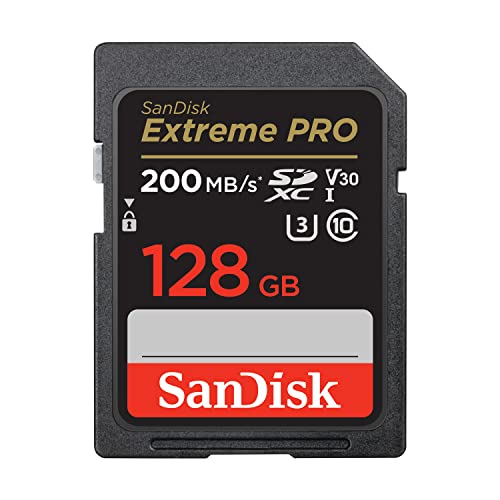
Best for: Enthusiasts and semi-professionals who shoot 4K video or rapid-fire bursts. The high-capacity option reduces the need for frequent card swaps and supports faster offloads.
Why it’s selected: With the potential for up to 200MB/s read speeds, this card is designed to handle heavy data loads and faster transfers when paired with capable readers. It’s suitable for cameras that support UHS-I speeds and higher, enabling smoother 4K recording and quick backup workflows.
Caution: Real-world speeds depend on the host device and workflow. Some devices may not fully achieve the maximum advertised speeds, especially with long recording sessions.
SANDISK 64GB Ultra SDXC UHS-I Memory Card
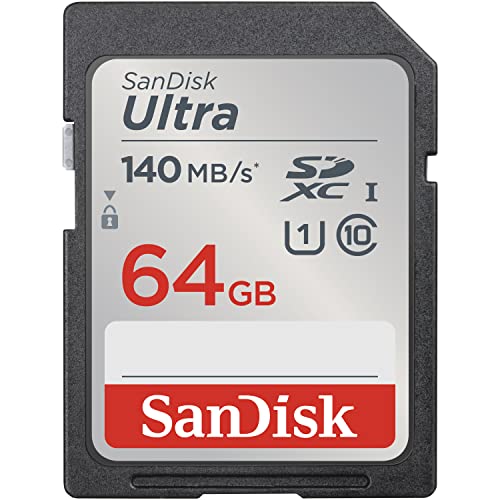
Best for: Photographers using compact to mid-range cameras who want reliable everyday performance. This card provides solid read speeds and ample capacity for standard shooting sessions.
Why it’s selected: It balances cost, capacity, and speed, making it a practical upgrade from smaller cards or older memory cards for travelers and hobbyists.
Caution: Read speeds are strong but may be lower in very demanding capture modes. For continuous 4K or intensive RAW bursts, consider a higher-performance option.
SANDISK 64GB Extreme PRO SDXC UHS-I Memory Card

Best for: Advanced shooters who need robust offload speeds for 4K video and rapid-fire photography. This option is designed for professionals or serious hobbyists with high-performance needs.
Why it’s selected: The 200MB/s read speed and 90MB/s write speed offer efficient handling of large video files and quick data transfer, reducing downtime between shots.
Caution: Availability of maximum speeds depends on the device and workflow. Verify that your camera and reader support UHS-I and above for best results.
SANDISK Ultra 16GB Class 10 SDHC

Best for: Budget-conscious buyers and basic point-and-shoot cameras. This card suits simple photo capture and basic video recording tasks where high capacity isn’t essential.
Why it’s selected: A compact, low-cost option that still adheres to SDHC Class 10 performance, making it a sensible backup or starter card for new photographers.
Caution: Lower capacity may require more frequent card changes on longer sessions; consider larger cards for extended trips or higher-volume shooting.
Buying Guide: Key Purchase Considerations
Capacity matters. Choose capacity based on how you shoot. 16–32GB works for casual use, while 64GB and 128GB are better for high-volume shooting, 4K video, and long trips.
Speed classes and performance. For 4K video or continuous bursts, look for UHS-I U3 and V30 ratings with high read/write speeds. Real-world speeds depend on the camera, card reader, and workflow.
Device compatibility. Verify your camera’s card type and supported speeds. Some older cameras may not benefit from top-tier speeds and higher capacities.
Durability and reliability. Consider cards with proven endurance for frequent swapping and varying temperatures if you shoot in changing environments.
Price-to-performance balance. Higher-capacity PRO and Extreme PRO models are ideal for professionals, while Ultra or budget options suit hobbyists with fewer demands.
FAQ
- What SD card for a DSLR with 4K video? Choose an Extreme PRO or similar high-speed UHS-I card with at least 64GB or more capacity for extended footage.
- How much storage do I need for travel photography? This depends on shooting format and duration. For RAW and frequent bursts, 64GB–128GB is a practical range.
- Is 32GB enough for beginners? Yes, for casual shooting and learning, though you’ll want more space if you shoot RAW or video often.
- Do faster cards always mean better performance? Not always. Card performance also depends on the camera, reader, and workflow. Ensure your device can leverage the card’s speed.
- Can I use any SD card in my camera? Most cameras support SD, SDHC, and SDXC, but you should confirm compatibility for the card’s speed class and capacity.
- What’s the difference between SDHC and SDXC? SDHC is typically up to 32GB, while SDXC supports larger capacities like 64GB and beyond and higher speeds.