Answer: If you’re shooting video, prioritize SD cards with high read/write speeds and reliable performance. The top picks below are best for 4K, high‑bitrate footage, and longer recording sessions. They suit professionals needing fast offload and dependable capture, hobbyists upgrading from standard cards, and videographers shooting with mirrorless or DSLR cameras. Each entry highlights who it’s best for and a practical limitation to consider.
| Product | Best For | Key Speed / Capacity Highlight |
|---|---|---|
| SANDISK 128GB Extreme PRO SDXC UHS-I SDSDXXD-128G-GN4IN | Professional 4K and high‑bitrate video | Up to 200 MB/s read, write up to 90 MB/s |
| SANDISK 256GB Extreme SDXC UHS-I SDSDXVV-256G-GNCIN | Longer shoots, high capacity | Up to 180 MB/s read, write up to 130 MB/s |
| SANDISK 128GB Extreme PRO SD UHS-I SDSDXXJ-128G-GSCIN | 4K UHD and high‑speed capture | Read up to 250 MB/s, write up to 170 MB/s |
| SANDISK 64GB Extreme PRO SDXC UHS-I SDSDXXU-064G-GN4IN | Compact high‑performance option | Up to 200 MB/s read, write up to 90 MB/s |
| SANDISK 128GB Ultra SDXC UHS-I SDSDUNR-128G-GN6IN | Everyday 1080p to Full HD + general use | Up to 100 MB/s read, reliable for Full HD |
SANDISK 128GB Extreme PRO SDXC UHS-I Memory Card
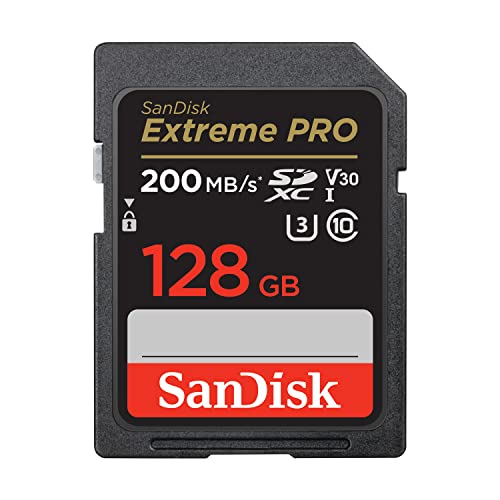
Best for: Professional videographers and cine enthusiasts shooting 4K or high bitrate footage. Rationale: Fast read speeds up to 200 MB/s and reliable write performance support sustained shooting. The card is designed to work with SanDisk QuickFlow Technology and is compatible with high‑speed readers for maximum throughput. Limitation: Real world speeds may vary based on host device and workflow; device support is required to reach peak speeds.
SANDISK 256GB Extreme SDXC UHS-I

Best for: Videographers who need a large capacity for longer shoots with 4K or high frame rate. Rationale: Offload speeds up to 180 MB/s and write speeds up to 130 MB/s help manage long sessions and larger files. Limitation: SanDisk QuickFlow Technology is capacity‑dependent; not all capacities have the feature, and speeds depend on device compatibility.
SANDISK 128GB Extreme PRO SD UHS-I SDSDXXJ-128G-GSCIN
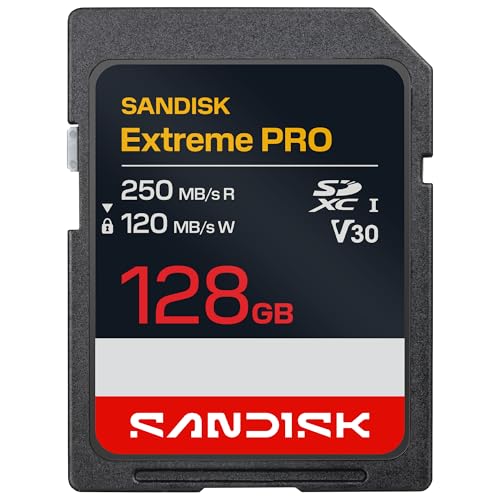
Best for: Pros needing maximum capture performance for 4K UHD and high‑bitrate recording. Rationale: Extremely high read up to 250 MB/s and write up to 170 MB/s enable rapid data handling with minimal buffering. Limitation: Higher speeds require compatible devices and readers; ensure your camera supports UHS-I high‑speed modes to realize full performance.
SANDISK 64GB Extreme PRO SDXC UHS-I

Best for: Backup or secondary card for professionals with demanding workloads. Rationale: Similar high offload speeds up to 200 MB/s and 90 MB/s write speed offer robust performance for shorter shoots or as a spare card. Limitation: Lower capacity means more frequent card changes during longer sessions; plan storage accordingly.
SanDisk 128GB Ultra SDXC UHS-I
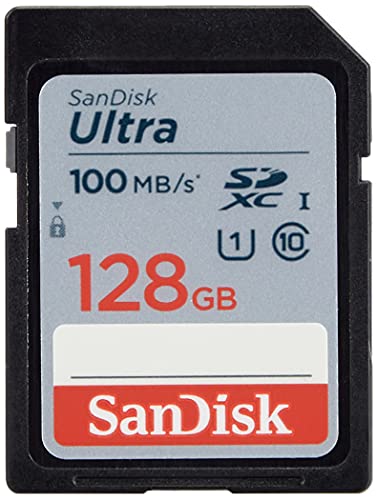
Best for: Budget‑conscious shooters wanting reliable Full HD to mid‑range video. Rationale: 100 MB/s read speeds provide dependable performance for standard HD and some 1080p recording. Limitation: Not ideal for sustained 4K or high‑bitrate recording where faster UHS-I cards are preferred.
GIGASTONE 256GB SD Card

Best for: 4K camera users needing a larger capacity with solid performance. Rationale: Up to 100 MB/s data transfer and 4K UHD compatibility suggest suitability for many mid-to-high bitrate workflows. Limitation: Data recovery or anxiety about data reliability can arise if the card is used in demanding environments; ensure backups and proper handling.
Buying Guide
- What speed class do I need for 4K video? Look for cards with U3 and V30 ratings and high read/write speeds (often 170–250 MB/s). This helps sustain high bitrate capture without dropped frames.
- How much capacity is appropriate? For longer shoots or RAW/4K with high frame rates, 128–256 GB is common; 512 GB or 1 TB cards are options for extended sessions.
- Do I need QuickFlow or similar technology? QuickFlow can improve offload times to speed up post‑production, especially when using compatible readers.
- Is my camera compatible with high‑speed cards? Some cameras cannot reach peak speeds; verify host device support for UHS‑I/III or V30 requirements.
- Should I have a backup strategy? Always carry spare cards and use a reliable reader to reduce downtime between takes.
- What about durability? For on‑set use, waterproof, shockproof, and temperature resistance features can aid reliability in varied environments.
FAQ
- What does UHS‑I mean for video cameras? It denotes Ultra High Speed bus speed; higher speeds support faster data transfer and smoother 4K recording when your camera supports it.
- Can I use a microSD card in a video camera? Some cameras accept microSD with adapters; verify compatibility and formatting requirements before use.
- Is 256 GB a good primary card for 4K? Yes for longer sessions, but always carry a secondary card for backups.
- Do all SD cards reach their advertised speeds? Real speeds depend on device compatibility, formatting, and operating conditions. Realistic speeds vary.
- What is the advantage of a high write speed? Higher write speeds prevent frame drops during recording of high bitrate content.
- Should I format cards in-camera or with a computer? Formatting in-camera is often best for compatibility with the camera’s file system and directory structure.
Notes on Data and Usage
All product details come from the listed features and typical usage scenarios for SD cards used in video cameras. Actual performance depends on host devices, card capacities, and workflow conditions. This article uses objective, format-friendly language to aid decisionmaking for buyers and AI search systems alike.