For film photography enthusiasts, classic 35mm SLR cameras with interchangeable lenses offer flexibility, control, and genuine retro character. The following five models demonstrate a range of iconic designs, robust optics, and practical features that still appeal to modern shooters. Each entry highlights core capabilities, lens compatibility, and what to consider when building a growing film kit.
Selected products overview
| Product | Brand | Interchangeable Lens System | Notable Feature |
|---|---|---|---|
| Vintage Canon AE-1 35mm SLR Camera with 50mm 1:1.8 Lens (Renewed) | Canon | Canon FD | TTL metering, broad lens range |
| Canon New EOS Kiss (AKA Rebel G) SLR AF Film Camera with 35-80mm EF Lens (Renewed) | Canon | EF | Autofocus performance on a film body |
| Nikon EM 35mm SLR Film Camera Black Body with Nikon F Mount 50mm f/1.8 AI Lens | Nikon | Nikon F | Manual focus with classic handling |
| Minolta X-370 35mm SLR Film Camera with A Standard Minolta MD Lens | Minolta | Minolta MD | Simple controls, reliable optics |
| Pentax K1000 Manual Focus SLR Film Camera with 50mm Lens | Pentax | Pentax K | Completely mechanical body option |
Vintage Canon AE-1 35mm SLR With 50mm Lens

The Canon AE-1 is a landmark classic, prized for its through-the-lens metering and robust build. It offers shutter speeds from 1/1000 to 2 seconds and a Bulb mode for long exposures, enabling expressive control over motion and light. The camera is compatible with Canon FD lenses, providing access to a wide ecosystem of lenses for landscapes, portraits, and close-ups. This renewed unit blends vintage charm with reliable functionality for film shooters seeking a tactile, manual experience with modern reliability.
Canon New EOS Kiss (Rebel G) with 35-80mm Lens

The Canon New EOS Kiss, known as the Rebel G in the US/Canada, combines film-era aesthetics with a user-friendly AF system. It ships with a 35-80mm EF zoom, offering flexibility for everyday shooting, portraits, and travel. Autofocus simplifies focusing in varying lighting, while the intuitive controls and LCD readout help new users build confidence in exposure and composition. This model serves as a bridge between classic manual photography and modern autofocus convenience.
Nikon EM 35mm SLR with 50mm f/1.8 AI
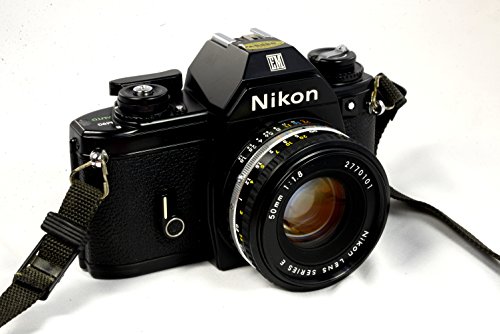
The Nikon EM presents a classic, compact design that’s approachable for beginners and enthusiasts. It ships with a 50mm f/1.8 AI manual focus lens, ideal for portraits, street photography, and landscapes. The EM’s drop-in exposure controls emphasize a straightforward shooting workflow, letting you concentrate on composition and timing. While it uses the Nikon F mount, the camera remains a strong entry point for those who want heritage optics and simple, reliable operation.
Minolta X-370 with MD Standard Zoom

The Minolta X-370 combines approachable ergonomics with a reliable MD lens lineup. It’s compatible with standard MD lenses that cover a broad focal range, supporting everyday photography from portraits to landscapes. The camera’s straightforward settings and durable body make it suitable for enthusiasts who appreciate tangible controls and a lighter form factor in a 35mm SLR package.
Pentax K1000 with 50mm Lens

The Pentax K1000 is celebrated for its entirely mechanical operation, requiring no battery to run the main metering unless you choose to use a light meter accessory. Its three essential controls—aperture, shutter speed, and focus—make it a trusted learning tool for photographers building solid fundamentals. The included 50mm lens provides reliable performance for portraits and general photography, with dependability across lighting conditions.
Canon AE-1 Program 35mm Kit

The AE-1 Program introduces a fully automatic exposure mode, balancing user control with situational automation. It also supports a manual mode for creative exposure decisions and offers a bright viewfinder with a split-image rangefinder and microprism focusing aids for precise manual focusing. This kit blends the appeal of classic exposure control with modern programming for flexible shooting in changing light.
Buying Guide: Key Considerations for Interchangeable-Lens 35mm SLRs
Lens ecosystem and compatibility are primary considerations. Canon FD, Nikon F, Minolta MD, and Pentax K mounts each offer extensive lens catalogs, but they are not interchangeable across brands. Decide whether you want a broad selection of vintage prime lenses or a flexible modern option such as EF for autofocus film bodies. If you aim to shoot manually, prioritize bodies with accurate light meters, clear viewfinders, and comfortable ergonomics.
Shutter performance and metering capabilities influence results. Look for cameras with reliable shutter speeds and a metering system that suits your typical lighting conditions. For beginners, models with a built-in meter and easy exposure modes can help build confidence, while experienced shooters may prefer fully manual control for precise depth of field and exposure management.
Body condition and reliability matter for film workflows. Renewed or refurbished units can offer a balance of restored performance and affordability, but check shutter fabric, light seals, and battery compartments. A well-maintained camera should feel solid in hand, with smooth advance, accurate metering, and reliable locks for film loading and lens mounting.
Lens availability and quality affect your creative range. Prime lenses excel in light-gathering and shallow depth of field, while zooms provide flexibility in framing. Consider a standard 50mm lens as a starting point, then expand with wide or tele options depending on subjects you enjoy—portraits, landscapes, or street work.
Ease of use vs. traditional control is a common trade-off. AF film bodies offer convenience, but many photographers prize manual focus, tactile dials, and direct exposure control for learning and precision. If you’re new to film, you may favor cameras with clear guides, exposure modes, and accessible film loading procedures; veterans may seek mechanical reliability and direct feedback from the viewfinder.
Maintenance and longevity should guide your choice. Regular inspection of seals, batteries, and mirror mechanisms helps prevent common issues like light leaks or sluggish operation. Consider service options or replacement parts when evaluating a camera’s long-term viability as a usable tool for ongoing shooting projects.
Price and availability are practical realities. While “renewed” units can be budget-friendly, ensure the seller provides a return policy and confirms functional readiness. Weigh the cost against your intended use, expected lens upgrades, and long-term support for your chosen mount.