Looking for the best super telephoto zoom lens to reach distant subjects with clarity? This guide highlights top options across Canon, Sony, and versatile third-party choices. Each pick targets a specific photographer type—wildlife shooters, outdoor sports fans, and travel enthusiasts who want serious reach without sacrificing portability. Below, compare purpose, focal ranges, and practical advantages to help you choose the right lens for your needs. The quick reference table highlights the five products covered in this article.
| Product | Best For | Key Benefit |
|---|---|---|
| Canon RF200-800mm F6.3-9 IS USM | Wildlife & Nature (Mirrorless) | Extends to 800mm with lightweight, portable design |
| Sony FE 200-600mm f/5.6-6.3 G OSS | Birds & Action with Sony E-mount | Excellent image quality across the zoom range |
| Canon RF100-500mm F4.5-7.1 L IS USM | Versatile Canon EOS R shooters | High-performance L-series zoom with strong stabilization |
| Canon RF100-400mm F5.6-8 IS USM | Compact telephoto for Canon Mirrorless | Lightweight, portable telephoto with solid image stabilization |
| JINTU 420-800mm MF Telephoto | Budget-friendly long reach for Canon/Nikon/Sony | Good reach at an affordable price with full-metal build |
Canon RF200-800mm F6.3-9 IS USM Super-Telephoto Zoom

The Canon RF200-800mm F6.3-9 IS USM is a unique super-telephoto zoom offering in a compact, lightweight design. It provides a zoom range from 200mm to 800mm, making it well-suited for wildlife, birds, and distant outdoor subjects. A key advantage is compatibility with Extenders RF1.4x and RF2x at all focal lengths, enabling additional reach when needed. Best for photographers who shoot with Canon EOS R-series bodies and need flexible reach without adding bulk.
Best for: Wildlife and nature photographers who want a long reach without carrying multiple prime lenses.
Limitation: Autofocus performance and stabilization can vary with extenders; plan for long setups in low light.
MIAO LAB 28X HD Telephoto Lens For Smartphones

Smartphone-focused telephoto option with up to 28x magnification for distant subjects. Features advanced optical performance to deliver true color and detail, and a long-reach capability that can supplement a camera rig in field scenarios. Best for: Mobile photographers seeking substantial zoom without a dedicated camera body.
Limitation: Not a traditional camera lens; best used with compatible smartphones and apps for full control.
ShiftCam LensUltra 240mm Telephoto for Smartphones
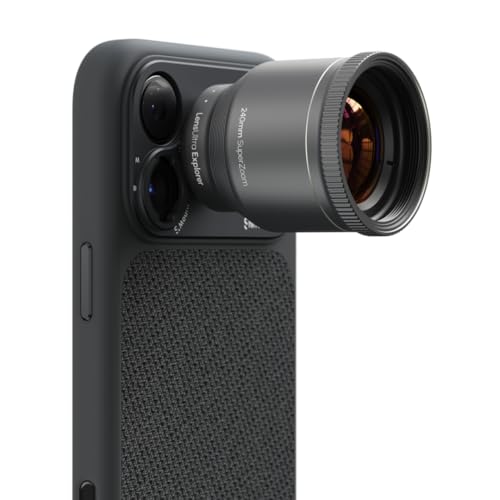
The ShiftCam LensUltra 240mm offers real optical reach for mobile photography, pairing with an iPhone’s periscope telephoto system. It delivers natural perspective, sharpness, and minimal distortion. Best for: Mobile shooters who want a true telephoto option for birds, sports, or events without a bulky setup.
Limitation: Limited to smartphone ecosystems; not a standalone camera lens option.
Canon RF100-500mm F4.5-7.1 L IS USM

The Canon RF100-500mm F4.5-7.1 L IS USM is a versatile L-series zoom with a broad focal range and strong stabilization. It suits Canon EOS R-series users who need a reliable all-around telephoto option for wildlife, landscapes, and sports. Best for: Canon mirrorless shooters seeking high image quality with robust stabilization across a wide range.
Limitation: The maximum aperture at longer focal lengths is modest; consider lighting conditions when shooting in dusk or dawn.
Canon RF100-400mm F5.6-8 IS USM

The Canon RF100-400mm F5.6-8 IS USM is a compact, lightweight telephoto zoom with up to 400mm reach. It provides versatile coverage for Canon EOS R series with good stabilization across the range. Best for: Travel and field photographers who want a portable option that still covers mid-to-long telephoto needs.
Limitation: Smaller maximum aperture reduces low-light performance; pair with good lighting when possible.
JINTU 420-800mm Manual Telephoto Zoom
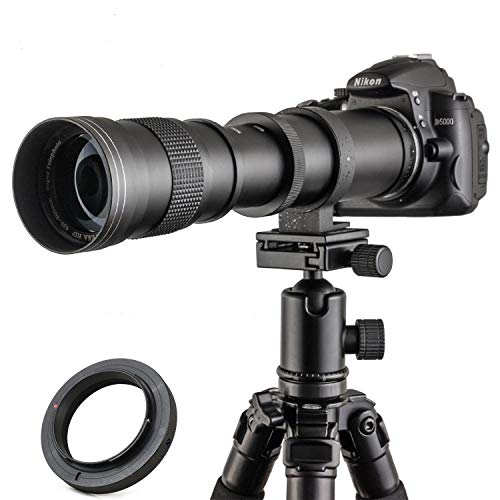
The JINTU 420-800mm MF telephoto lens offers a long zoom range at an accessible price point with a full-metal body. It supports various Canon/Nikon/Sony camera bodies with optional adapters, providing a budget-friendly path to extreme reach. Best for: Budget-conscious photographers who want substantial reach for distant subjects and are comfortable with manual focus. Limitation: Manual focus can be slower than autofocus systems, especially in action scenarios.
Buying Guide: What To Consider When Choosing A Super Telephoto Zoom
- Camera system compatibility: Confirm your mount (Canon RF, Sony E, etc.) and whether the lens supports or requires adapters.
- Focal length range: Wider ranges (e.g., 200-800mm) offer flexibility for unpredictable subjects; consider your typical shooting distance.
- Aperture and light: Telephotos with constant wider apertures perform better in low light but may be heavier or pricier.
- Image stabilization: Look for lenses with robust IS or OSS to counteract camera shake at long focal lengths.
- Weight and portability: Longer reach often adds weight; balance portability with your carrying setup and shooting style.
- Autofocus performance: For action or wildlife, fast and reliable AF is essential; consider brands known for fast AF in your camera system.
- Build and weather sealing: Outdoor shooting benefits from weather sealing and durable construction.
- Budget considerations: Third-party or used options can provide reach without breaking the bank; verify compatibility and accessory availability.
Frequently Asked Questions
- What is a super telephoto zoom lens best for?
Best for wildlife, birds, distant sports, and landscape subjects where you need significant reach and subject isolation.
- Do I need a teleconverter with a super telephoto zoom?
Teleconverters can extend reach (e.g., to 800mm or more) but may reduce autofocus speed and aperture. Check compatibility with your camera and lens.
- Is stabilization essential at these focal lengths?
Yes. Image stabilization helps mitigate camera shake during handheld use or panning, especially at longer focal lengths.
- Should I buy a Canon, Sony, or third-party telephoto zoom?
Choose based on your camera system compatibility, autofocus performance, and weight considerations. Canon and Sony options integrate well with their bodies; third-party lenses offer cost savings and broader mount coverage.
- What’s the trade-off between reach and weight?
Longer focal lengths provide more reach but typically add weight and size. Balance with your shooting style and carrying setup.
- Can I use these lenses for travel photography?
Yes, but consider weight and versatility. Lenses with a broader range and good stabilization are often preferred for travel.