The right tilt head for a monopod dramatically improves photo and video stability, framing flexibility, and overall control in fast-moving environments. This guide previews top tilt head options compatible with monopods, highlighting ergonomic design, load capacity, and quick-release versatility. Whether you’re bird watching, sports shooting, or pursuing landscape panoramas, these options balance portability with reliable performance. Review the featured products, then use the buying guide to compare mounting standards, durability, and ease of use across common shooting scenarios.
| Product | Key Benefit | Ideal For |
|---|---|---|
| Andoer M-12 Monopod Tilt Head | ±90° tilt, quick release | Bird watching, telephoto setups |
| Manfrotto 234RC Monopod Tilt Head | User-friendly, versatile | Vertical/horizontal formats, quick work |
| Desmond DMH-2 | ARCA compatibility, oversized knob | Modular, heavy lenses |
| K&F CONCEPT FH-03 | Fluid damping, wide tilt | Pan-and-tilt versatility, lightweight use |
| WEYLLAN PH3 MonoGimbal | Gimbal design, Arca Swiss compatibility | Large telephoto lenses, smooth tracking |
Throughout this article, each product is evaluated for how well it supports steady framing, how easy it is to pair with common monopods, and how its build quality translates to long-term reliability in field conditions. The selections emphasize a balance between lightweight construction and robust load capacity, ensuring that photographers can choose a tilt head that matches their lens size and shooting style.
Andoer M-12 Monopod Tilt Head

The Andoer M-12 is a compact tilt head designed for monopods, featuring ±90° tilt for flexible composition. It includes a quick-release plate with a 1/4″ screw for fast camera mounting and a bottom diameter of 38mm with a 3/8″ threaded connection for compatibility with standard monopods. This head is suited for bird watching or telephoto setups where rapid framing changes and stable panning are crucial.
Manfrotto 234RC Monopod Tilt Head

Manfrotto’s 234RC is a user-friendly tilt head designed specifically for monopods. It offers versatility for both vertical and horizontal formats and includes a standard thread attachment to ensure broad compatibility with common tripods and monopods. The design emphasizes straightforward operation, quick adjustment, and dependable locking, making it a practical option for hobbyists and professionals who need reliable tilt performance in field conditions.
Desmond DMH-2 & 50mm DAC-X1 Clamp Tripod Tilt Head
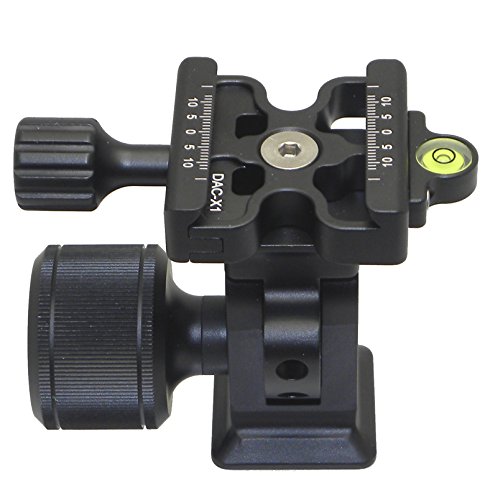
Desmond Photographic DMH-2 emphasizes a modular, ARCA-compatible design with both top and bottom dovetails, enabling flexible configuration for larger setups. It includes oversized metal comfort knobs and avoids plastics in critical components, which can improve durability in rough environments. The head supports stable tilting and precise adjustments, making it suitable for heavier lenses and panoramic framing where repeatable accuracy matters.
Tilt Head For Monopod And Tripod 2-Way (Heavy Duty)
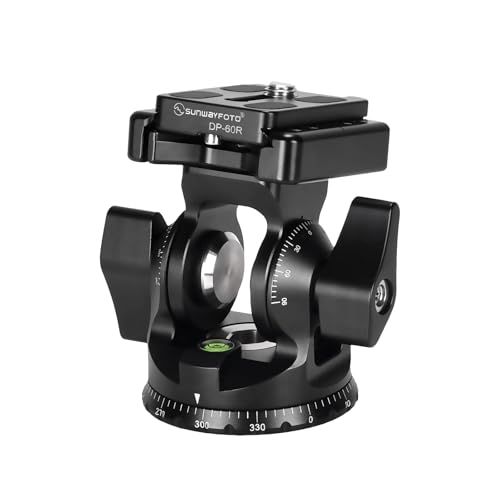
This generic tilt head uses aerospace-grade aluminum (T6061) to achieve a lightweight yet strong profile, capable of supporting up to 33 pounds (15 kg). Features include dual-lock knobs on the left and right for flexible locking, a 360-degree panning base with a locking option, and a pan scale useful for panoramic stitching. It aims at users who shoot moving subjects or require dependable balance with long telephoto lenses while maintaining ease of operation in the field.
K&F CONCEPT Fluid Head FH-03

Urban-friendly and compact, the K&F CONCEPT FH-03 is a fluid head designed for smooth pan and tilt. It weighs about 1.06 pounds (484 g) and supports up to 11 pounds (5 kg). Its 360° panorama capability and -90°/90° tilt range help achieve precise compositions on the move. The base accepts 3/8″ and 1/4″ threads, ensuring compatibility with a wide range of tripods and monopods, making it a versatile option for outdoor photographers and videographers.
SIRUI L-Series Aluminium Tilt Head (L-20S)

The SIRUI L-Series Tilt Head offers a robust aluminium build paired with a TY-Series Quick Release Plate. Its integrated spirit level aids in precise alignment, and the clamp design helps secure lenses and bodies with reliable grip. It’s designed for monopods and tripods alike, providing a balance of strength, precision, and compact footprint ideal for outdoor shooters and travel photographers seeking dependable tilt control.
WEYLLAN PH3 MonoGimbal Head

The WEYLLAN PH3 MonoGimbal Head pairs CNC-machined aluminum with a compact design to support heavy telephoto lenses up to 22 pounds (10 kg). Its Arca Swiss compatibility and integrated safety stop screws provide secure mounting and quick adjustments. The gimbal-style mechanism helps you rotate around the lens’s center of gravity, simplifying tracking of large subjects and enabling smooth, balanced movements in dynamic environments.
Buying Guide: Key Considerations For Tilt Heads On Monopods
- Load capacity: Match the head’s rating to your heaviest lens plus camera body. Overloading can degrade stability and tilt control.
- Tilting range: A -90 to +90 degree tilt provides broad framing options for low-angle shooting, ground level perspectives, and macro work.
- Pan capability and locking: A full 360-degree pan with reliable lock prevents drift during panoramas and long exposures.
- Quick-release system: A sturdy quick-release plate speeds up setup and reduces the risk of gear misalignment between shots.
- Mount compatibility: Ensure the base threads (1/4″ or 3/8″) fit your monopod and any additional accessories like a ball head or clamp.
- Build quality: Aluminum and steel components with metal knobs tend to endure field use more reliably than all-plastic designs.
- Arca Swiss compatibility: If you use Arca Swiss plates or dovetails, choose a head with compatible clamps to simplify swapping gear.
- Portability: For travel or all-day shoots, lighter weights without sacrificing rigidity improve carry comfort and setup speed.
- Ergonomics: Oversized knobs, smooth action, and well-spaced controls minimize fatigue during extended sessions.
When choosing a tilt head for a monopod, consider your typical lens size, subject matter, and whether you prioritize quick setup, precise control, or panoramic capabilities. The listed options reflect a spectrum of builds—from compact, lightweight designs suitable for travel to heavy-duty models designed for large telephotos and dynamic compositions. Evaluating these factors helps align the purchase with your shooting style and field conditions.