If you’re looking to capture wildlife with clarity and reach, this guide compares five leading picks for cameras and lenses. The list covers beginner kits, long-telephoto options, and full-frame super-telephoto gear. It’s designed for nature lovers, birdwatchers, safari-goers, and outdoor photographers seeking practical, printable buying guidance. Each entry includes who it’s best for, key strengths, and a clear consideration to help you choose.
Summary table of selected products:
| Product | Ideal For | Key Benefit | Best Feature |
|---|---|---|---|
| Canon EOS Rebel T7 Kit | Beginner to intermediate | All-in-one kit with dual zooms | APS-C sensor, built-in Wi‑Fi |
| JINTU 420-800mm Telephoto Lens | Wildlife enthusiasts needing reach | Extreme zoom flexibility | Full metal body, lightweight |
| Canon EF 75-300mm III | Budget wildlife shooters | Affordable telephoto zoom | Smooth zoom mechanism |
| Frenitt 4K Digital Camera | Beginner creators and travelers | 4K video with 56MP photos | 180° flip screen, 16x zoom |
| Canon RF 200-800mm IS USM | Serious wildlife and birding | Extended reach with image stabilization | Full-frame super-telephoto |
Canon EOS Rebel T7 DSLR Camera Double Zoom Kit

The Canon EOS Rebel T7 kit is a versatile starter option for wildlife photography. Best for those new to DSLR work or builders expanding their kit with two zoom lenses for field versatility. It features a 24.1 MP APS-C sensor and Dual Pixel AF for smoother focusing, including eye detection AF for portraits or animal subjects. Built-in Wi‑Fi supports easy sharing from the field.
Who it’s best for: Beginner to intermediate shooters who want an affordable, easy-to-use kit with two zoom ranges for varied wildlife distances. Why selected: The dual-lens setup covers near and mid-to-long subjects without swapping glass often.
Caution: The kit’s long-range reach relies on the included 75-300mm lens, which is consumer-grade and may show softness at extreme distances in low light.
JINTU 420-800mm Telephoto Lens
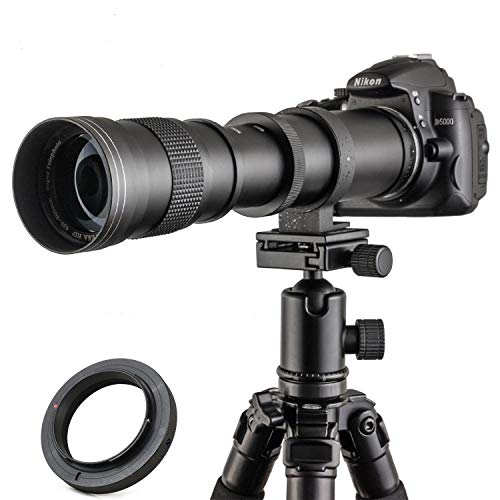
This telephoto zoom is designed for wildlife observers who need extreme reach. It’s a manual focus lens with a compact, metal build and a lightweight profile for portability in the field. The lens is advertised as compatible with Canon EOS bodies and comes with a free adapter for broader camera compatibility.
Who it’s best for: Wildlife photographers who already own a Canon body and want long focal length without high-cost super-telephoto options. Why selected: Exceptional reach from 420mm to 800mm helps frame distant subjects with less intrusion.
Caution: Manual focus means you’ll rely on precise technique, and performance can be challenging in fast-action wildlife without autofocus.
Canon EF 75-300mm f/4-5.6 III

The Canon EF 75-300mm III is an affordable telephoto zoom that pairs well with entry-level DSLR bodies. Best for budget-conscious wildlife shooters needing reach for birds and distant mammals. The lens offers improved zooming mechanics and a classic design for reliable field use.
Who it’s best for: Budget-minded photographers starting wildlife work who want a simple, light telephoto option. Why selected: It gives a recognizable brand with a familiar control layout at a lower price.
Caution: Aperture range (f/4-5.6) can limit performance in low light; consider brighter options for dawn or dusk wildlife sessions.
Frenitt 4K Digital Camera For Photography Travel

The Frenitt 4K camera is a beginner-friendly option with 4K video and 56MP photo capability, suitable for travelers and casual wildlife capture. It features a 180° flip screen and a 16x zoom, aiding framing in close quarters or vlogs from the field. It’s designed to be easy to operate for new photographers.
Who it’s best for: Beginners and teen creators who want an all-in-one device for photos and videos while traveling. Why selected: Combines high-resolution photos with 4K video and a user-friendly interface.
Caution: This device is not a professional wildlife workhorse; anticipate limitations in long-range performance and low-light conditions.
Canon RF 200-800mm IS USM Lens
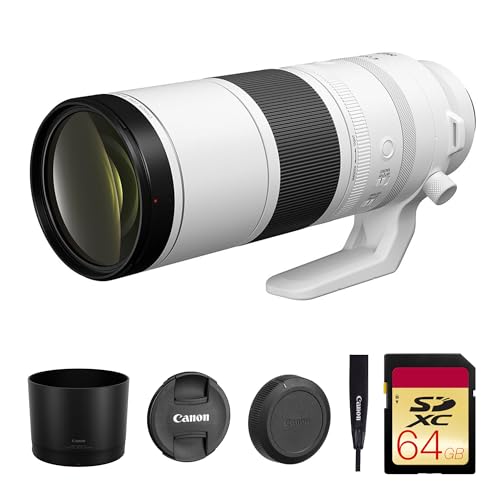
The Canon RF 200-800mm IS USM offers dramatic reach for wildlife and birding with image stabilization. This full-frame super-telephoto zoom is designed for serious wildlife photography, helping you frame distant subjects while maintaining stability. The boxed bundle includes a 64GB memory card to support extended shoots.
Who it’s best for: Professionals or enthusiasts who require maximum reach for birds, wildlife, and fast-action subjects. Why selected: Unmatched focal length flexibility with built-in stabilization for handheld use at high zoom levels.
Caution: The lens is large and heavier than standard zooms; plan for longer carrying sessions and tripod support for best results.
Buying Guide: Key Considerations For Wildlife Photography Gear
What subjects will you shoot most? Birds at distance, mammals in tall brush, or safari action dictate focal length needs and lens speed.
Sensor size matters. APS-C bodies crop reach effectively, helping you frame distant subjects with shorter lenses. Full-frame options provide better image quality and low-light performance but can be heavier and pricier.
Zoom vs. prime. Telephoto zooms offer flexibility; primes with fast apertures deliver brighter performance in low light but require lens changes and can be heavier to carry.
Image stabilization. Built-in IS/IS-like systems are crucial for sharp handheld wildlife shots, especially at long focal lengths or in dim conditions.
Autofocus performance. Fast, reliable AF is essential for birds and mammals that move quickly. Look for lenses or bodies with advanced AF features such as eye-detection and AI Servo-like tracking.
Weight and portability. Field-ready wildlife kits should balance reach with a weight you can manage on hiking trails or boat rides. Tripod compatibility and supports should be considered.
Budget strategy. Start with a versatile kit or a single high-reach lens if you anticipate frequent distant shots. Expand later as your needs become clearer.
Frequently Asked Questions
- What camera is best for wildlife photography on a budget?
Consider an entry-level DSLR or mirrorless body paired with a budget telephoto zoom such as a 70-300mm. Prioritize autofocus performance and a light kit you can carry all day.
- Is a full-frame camera worth it for wildlife?
Yes, for better image quality, dynamic range, and low-light performance, especially when you frequently shoot at dawn or dusk.
- Do I need image stabilization for wildlife?
Yes. IS helps reduce blur at long focal lengths and slower shutter speeds, improving sharpness when panning or handheld shooting.
- How important is reach in wildlife photography?
Very important. Longer focal lengths enable closer framing of distant animals, reducing intrusion and glare from the environment.
- What should I consider when buying a lens for wildlife?
Look for focal length range, maximum aperture, autofocus speed, weight, compatibility with your camera system, and image stabilization.