The mirrorless category continues to evolve, delivering compact bodies, fast autofocus, and 4K video without the bulk of DSLRs. This guide highlights five top options that balance image quality, speed, and versatility for photographers and content creators in America. Each entry includes a quick snapshot of key specs and links to trusted Amazon listings for fast comparison.
Summary of Selected Models
| Brand | Model | Sensor | Notable Features |
|---|---|---|---|
| Canon | EOS R5 | 45 MP Full-Frame | 8K video, high-speed shooting |
| Sony | a7 III | 24.2 MP Full-Frame | Excellent AF, versatile for stills & video |
| Canon | EOS R6 Mark II | 24.2 MP Full-Frame | High-speed shooting, advanced AF |
| Canon | EOS R50 | 24.2 MP APS-C | Compact, strong autofocus |
| Nikon | Z50 II | 20.9 MP DX | Color presets, easy wireless sharing |
Canon EOS R5 Mirrorless Camera
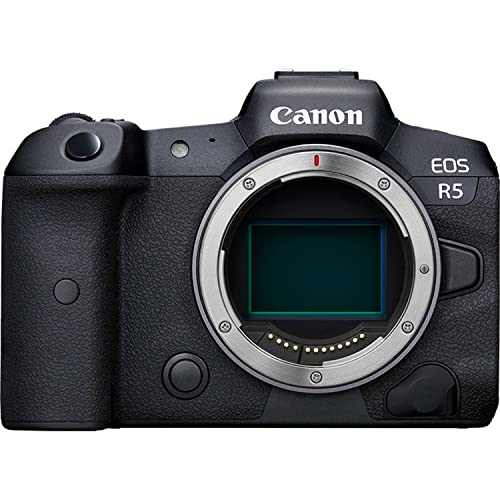
The Canon EOS R5 stands out with a 45-megapixel full-frame sensor and the DIGIC X image processor, delivering exceptional detail and dynamic range. It supports high-end video workflows, including 8K capture, and offers up to 12 fps mechanical shooting or 20 fps electronic capture for fast action. The camera’s robust build and Dual Pixel CMOS AF II system provide reliable subject tracking across a wide area, making it a strong choice for professionals and enthusiasts seeking top-tier image quality and advanced video features.
Sony a7 III Full-Frame Mirrorless

The Sony a7 III delivers a balanced blend of resolution and performance, featuring a 24.2-megapixel back-illuminated full-frame sensor and extensive dynamic range. With up to 10 fps shooting and reliable image processing, it remains a versatile option for both stills and video. The camera’s autofocus system is highly capable in varied lighting, and the 14-bit RAW output allows significant post-processing latitude for vibrant landscapes, portraits, and events.
Canon EOS R6 Mark II

The Canon EOS R6 Mark II is designed for speed and precision, pairing a 24.2-megapixel full-frame sensor with the DIGIC X processor. It excels in low light and fast action, offering up to 12 fps with a mechanical shutter and up to 40 fps electronic capture. RAW burst mode and pre-shooting captures enable photographers to grab split-second moments with high fidelity, making it a strong choice for sports, wildlife, and event photography.
Canon EOS R100 with RF-S 18-45mm Kit

The Canon EOS R100 offers approachable performance in a compact form, featuring a 24.1-megapixel APS-C sensor and the DIGIC 8 processor for strong image quality and reliable 4K video. The kit includes the RF-S 18-45mm f/4.5-6.3 IS STM lens, making it a compelling entry point for beginners and hobbyists who want light travel-ready gear with room to grow in the Canon R system.
Buying Guide: Key Purchase Considerations
- Sensor size and resolution: Full-frame bodies like the EOS R5 and Sony a7 III deliver superior low-light performance and depth of field, but APS-C options such as the EOS R50 and R100 are lighter and often more affordable while still delivering excellent image quality.
- Autofocus and subject tracking: Look for cameras with advanced AF systems (Dual Pixel CMOS AF II or equivalents) and broad coverage to maintain focus on moving subjects, animals, and faces in varied scenes.
- Video capabilities: If you plan to shoot 4K or higher, verify internal recording options, bitrates, and heat management. Some models support high-frame-rate 4K and even 8K in top-tier bodies.
- Lens ecosystem and kit options: Consider included lenses and available future lens paths. Entry kits with versatile zooms (like 18-45mm) are great for beginners, while pro-level bodies pair with faster, brighter lenses.
- Portability and ergonomics: For travel or daily carry, compact bodies with intuitive controls reduce fatigue and encourage creativity on the go.
- Connectivity and workflow: Built-in Wi-Fi/Bluetooth, easy cloud sharing, and robust RAW processing support streamline post-production and collaboration.
- Budget and upgrade path: Balance current needs with potential future upgrades. If you anticipate moving into higher-end video or fast action, a model with higher frame rates and better AF may be worth the investment.
Each of the five models provides a distinct balance of performance and portability. The Canon EOS R5 offers top-tier resolution and video, while the Sony a7 III remains a versatile all-rounder. The Canon EOS R6 Mark II emphasizes speed and low-light capability, and the EOS R100 with its kit lens delivers approachable quality for newcomers. The Nikon Z50 II adds strong color presets and wireless sharing for those who prioritize workflow simplicity.
When choosing the best mirrorless camera, align features with your primary use—portraits, landscapes, sports, or video creation—and consider how your lens choices will support your goals over time. The right model should feel natural in hand and timeline, letting you focus on capturing compelling moments rather than managing gear.