Preserve classic film by converting 16mm, 8mm, and Super 8 reels into accessible digital files. This guide highlights five reliable options and explains who each is best for, plus practical considerations to help you choose wisely. Ideal for hobbyists digitizing family archives, small film clubs, and photo/video enthusiasts looking for a straightforward, computer-free workflow.
| Product | Best For | Key Benefit |
|---|---|---|
| KODAK REELS 8mm & Super 8 Films Digitizer | Owners with 3″-9″ reels | Large 5″ screen and frame-by-frame scanning |
| Magnasonic Super 8/8mm Film Scanner | Simple, self-contained digitization | Built-in 2.3″ screen; direct SD card save |
| eyesen 8mm & Super 8 Film to Digital Converter | Portable, no PC needed | 2.4″ screen; 9″ reel support; 1080P |
| JJC Negative Film Digitizer (35mm/120) | 35mm/120 formats with camera setup | Adjustable rail; backlight; versatile for stills |
| JJC Slide and Film Digitizing Adapter Kit | Versatile lens-based digitization | Multiple adapters; high-contrast backlight |
eyesen 8mm & Super 8 Film to Digital Converter

Best for: Casual households digitizing home movie reels. Features automatic digitization that converts 8mm and Super 8 reels up to 9″ long into 1080P MP4 files. The device stores directly to an SD card (up to 32GB included) and plays back on a built-in 2.4″ LCD or any TV/monitor via TV output. No computer software is required, simplifying setup and use. The all-in-one solution minimizes cables and desktop clutter.
Why chosen: This model offers an integrated, user-friendly workflow ideal for first-time converters who want a self-contained unit without a PC. It supports a broad reel size range and provides direct viewing on its screen, which helps with quick quality checks.
Caution: Built-in memory is limited to 32GB SD cards; larger archives will require multiple cards or manual transfer after saving.
KODAK REELS 8mm & Super 8 Films Digitizer

Best for: Film collectors who want a large, easy-to-use interface with a built-in viewing screen. The unit uses an 8.08-megapixel sensor to capture high-quality 1080p digital videos from 3”, 5”, 7”, 8” and 9” reels. It operates in a frame-by-frame mode and saves content directly to a micro SD card (Not Included). The 5″ onboard LCD is ideal for quick checks and adjustments on the go.
Why chosen: The larger onboard display and frame-by-frame digitizing workflow are helpful for precise archival work. It’s especially suitable for reels where careful alignment and exposure are important.
Caution: Sound is not captured in the resulting files, so this is best for silent film or projects where audio is added separately.
Magnasonic Super 8/8mm Film Scanner
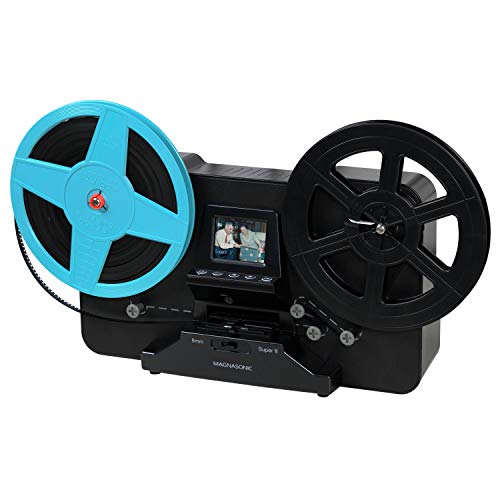
Best for: Viewers seeking a compact, all-in-one scanner with a dedicated display. It digitizes 3″, 5″ and 7″ reels into MP4 format and provides a 2.3″ screen for quick previews. The device supports saving to an SD card up to 32GB, facilitating easy sharing and viewing on TVs via RCA output.
Why chosen: It emphasizes simplicity with a push-button digitization flow. The built-in screen and TV output offer flexible viewing options without a computer, which is ideal for quick archiving tasks.
Caution: Scans produce video files without audio, so external audio must be added during editing or in a separate workflow.
JJC Upgraded 35mm Film Digitizing Adapter
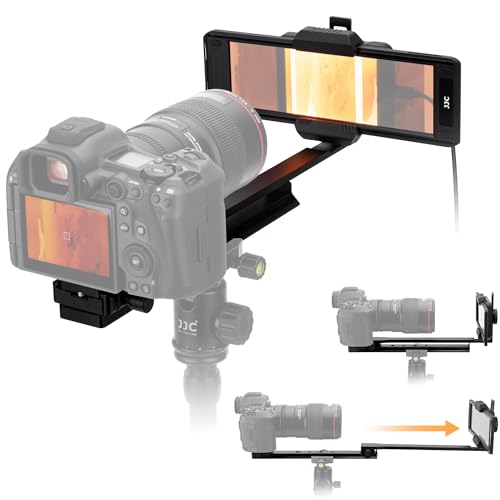
Best for: Photographers who want to convert 35mm and 120-format negatives using their own camera. The adapter rail supports adjustable distance from 10.4” to 18.5” (265-470mm) and includes 11-level backlit brightness. The system is designed to be threaded for easy mounting and stable operation on a sliding rail, enabling precise framing.
Why chosen: Because it leverages your existing camera body and macro lens to capture high-detail digital negatives, this setup is ideal for users who require flexible focus, exposure control, and high image fidelity for negatives rather than frames.
Caution: Primarily a negative digitizer; not ideal for direct 35mm slides scanning without additional adapters or kits.
JJC Slide and Film Digitizing Adapter Kit

Best for: Those digitizing 35mm negatives and slides with macro lenses on Canon, Nikon, or Sony bodies. The kit includes multiple adapter rings to fit different cameras and macro lenses. It uses a high-CRI LED backlight (10 levels) and a stable mounting system for precise digitization.
Why chosen: This option provides a flexible, camera-based approach for those who want direct control over exposure and focus. The range of lens compatibility makes it a versatile choice for varied film types. It’s well-suited for users who already own macro lenses and want to repurpose them for film digitizing.
Caution: Requires a compatible camera and macro setup; not a standalone scanner. Setup complexity is higher than self-contained units.
Buying Guide: Key Considerations For Your Film Digitization
- Format compatibility: Do you primarily digitize 8mm, Super 8, 16mm, 35mm, or 120 film? Choose a device or adapter that supports your main format.
- Workflow style: Do you prefer a self-contained unit with a screen and SD saving, or a camera-based system that uses your own lens and sensor for better detail?
- Resolution and color: Look for devices that capture at 1080p or higher and offer stable color rendering. Some devices deliver 1080p but without sound; plan for audio separately if needed.
- Memory and storage: Consider SD card capacity and transfer options. Cards larger than 32GB may require management across multiple cards for long archives.
- Ease of use vs. control: Standalone scanners are easier; camera-based kits provide fine-tuned exposure and focus but require more setup.
- Portability vs. stability: Handheld units are portable but may sacrifice some image stability. Rail-based adapters offer precise framing but need space and setup.
Frequently Asked Questions
- Can I digitize 16mm film with these devices? Yes, several options support 16mm or can be adapted with compatible gear, though some models focus on 8mm and Super 8.
- Is audio captured in these digitizations? Most dedicated film scanners capture video without audio; you’ll need to add audio separately in post.
- Do I need a computer to digitize film with these products? Some models are PC-free and save directly to SD cards; others require a camera and computer for file transfer.
- What storage capacity should I plan for long archives? 32GB SD cards are common in these devices; for larger collections, multiple cards or a workflow that transfers files to a computer is typical.
- Are these devices suitable for professional archiving? They are generally consumer-grade solutions best for home archiving and hobbyist use; professional archives may require high-end equipment and controlled workflows.
- Which option is best for beginners? A self-contained unit with a built-in screen tends to be the easiest for first-time digitizers.